How Florida Rain Affects Your Trees
If you've lived in Central Florida for more than one summer, you know the rain doesn't mess around. Afternoon storms can dump inches of water in under an hour, and while your lawn might love it, your trees can tell a very different story. Too much rain — especially all at once — creates conditions that quietly damage even healthy, established trees.
What Happens Underground When It Pours
Most tree problems caused by heavy rain start where you can't see them: the root zone. Florida's sandy soil drains reasonably well, but when storms hit back to back, the ground stays saturated for days. Roots need oxygen just as much as they need water, and when the soil is waterlogged, roots start to suffocate. This is called root hypoxia, and it weakens a tree's ability to absorb nutrients even after the ground dries out.
Root rot is the next concern. Saturated soil is a perfect environment for fungal pathogens like Phytophthora, which attack roots and spread quickly once they get established. You won't see it happening, but the symptoms show up later — yellowing leaves, premature leaf drop, and a tree that suddenly looks like it's struggling despite normal conditions.
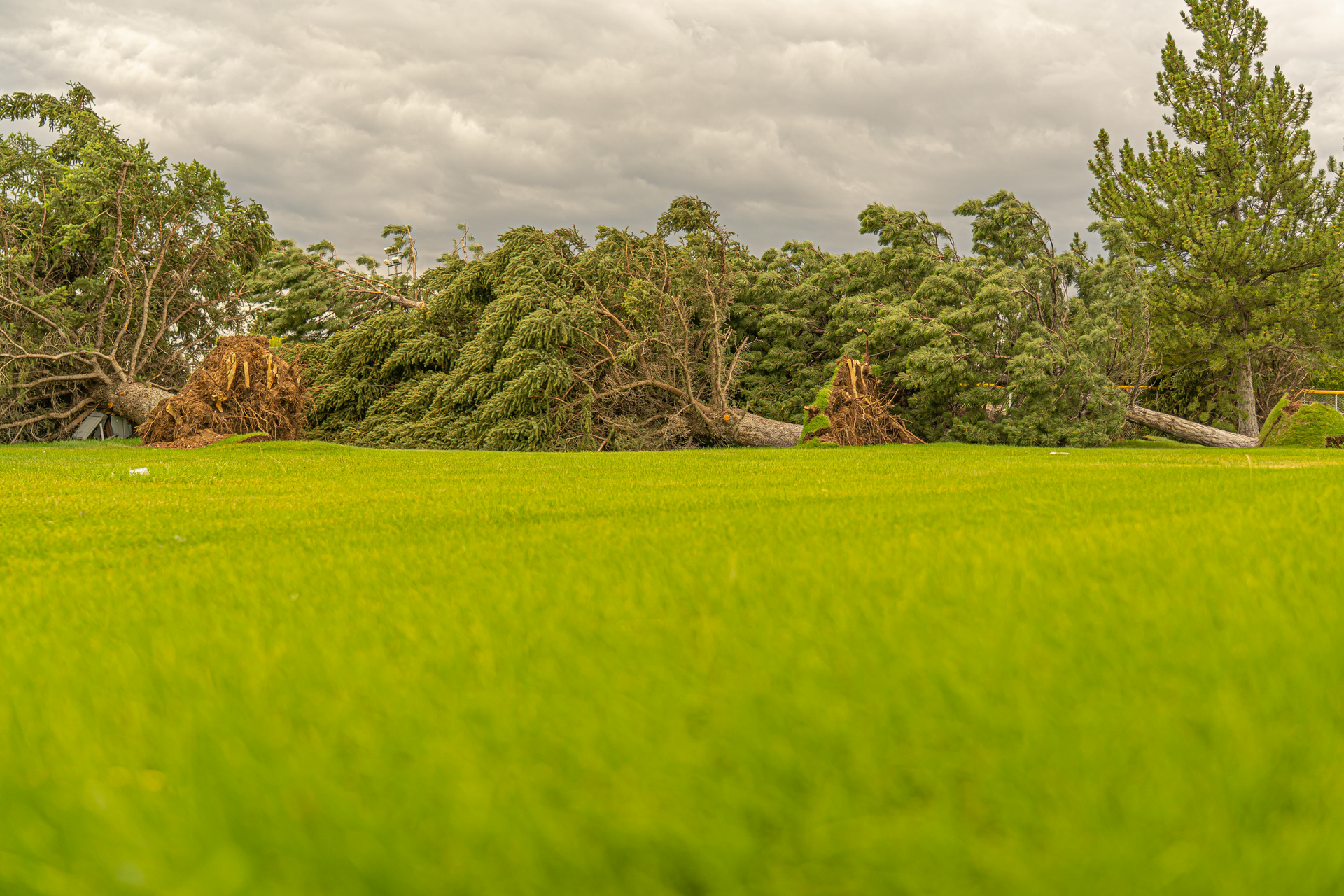
Shallow-rooted trees are especially vulnerable. Palms, ornamental trees, and young plantings haven't developed the deep root systems that help anchor them during soil movement. After extended wet periods, the soil around these trees can shift enough to cause leaning or instability that wasn't there before the rains came.
Surface Signs Worth Paying Attention To
After a major storm or a stretch of heavy rain, take a walk around your property and look at your trees with fresh eyes. Heaving soil around the base of a tree — where the ground looks raised or cracked in a ring pattern — is a sign the roots are under stress or the tree has shifted. This is especially common in older trees with surface roots.
New cracks in bark, sudden leaning, or branches that are sagging more than usual can all indicate structural weakness made worse by waterlogged soil. Mushrooms or fungal growth at the base of a tree after rain are a red flag — they typically mean there's decay happening in the root system or lower trunk.
If you notice any of these signs on your property in Orlando, Winter Park, Sanford, or the surrounding areas, it's worth calling a professional before the next storm rolls through. A tree that's been weakened by water stress is far more likely to fail during high winds.
What You Can Do
- Avoid compacting soil around tree bases — foot traffic and heavy equipment after rain can make drainage worse
- Check your mulch — a thick ring of mulch helps regulate moisture, but piling it against the trunk traps water and causes rot
- Look for standing water that lingers more than 48 hours near tree bases
- Schedule a professional inspection after any major flooding event
- Dead or hanging branches are more likely to fall after roots weaken — don't wait to have them removed
Florida's rainy season isn't going anywhere, but the damage it causes to your trees doesn't have to catch you off guard. The team at Fricke's Tree Service knows how Central Florida weather affects the trees in your yard — and we're here to help you stay ahead of it. Call us at (321) 240-5613 or schedule a free estimate today.
SHARE POST
RECENT POSTS
Interested in Our Services?
Get in touch today to discuss your next project and we will happy to answer any questions and provide you with a no-obligation FREE Estimate.
