How Often Should You Trim Your Trees?
One of the most common questions homeowners ask about tree care is: how often do I actually need to trim my trees? There's no single answer that fits every situation — it depends on the species, the tree's age, its location on your property, and what you're trying to achieve. But there are practical guidelines that apply to the trees most commonly found in Central Florida yards, and following them makes a real difference in the health and longevity of your landscape.
Why Timing and Frequency Matter
Trees aren't just about aesthetics — they're living systems that respond to how and when they're cut. Trim at the wrong time of year and you can stress the tree, invite pests, or trigger disease. Trim too infrequently and you end up with structural problems, dead wood accumulation, and branches that have grown into places they shouldn't be. A consistent trimming schedule keeps trees healthy and manageable rather than reactive.
In Central Florida's climate, we don't have the same hard seasonal breaks that drive trimming schedules in other parts of the country. Our mild winters mean trees are more active year-round, which affects both when you can safely prune and how quickly they recover from cuts.
General Schedules by Tree Type
Live oaks and other large shade trees typically benefit from trimming every 3-5 years once they're mature and well-established. The focus is on removing dead wood, addressing structural issues, and maintaining clearance from structures and overhead lines. More frequent trimming is rarely necessary and can actually stress a healthy, established oak.
Crape myrtles are widely mismanaged in Florida — "crape murder" (the annual severe topping many homeowners do) is one of the most damaging things you can do to them. Properly maintained crape myrtles need light shaping every 1-2 years at most, focusing on removing crossing branches and seed pods rather than aggressive cutting.
Palms are generally low-maintenance but should have dead fronds removed annually — more frequently in high-visibility areas. Remove fronds that are completely brown and drooping. Avoid removing green fronds, which can stress the palm and make it less hurricane-resistant.
Fruit trees — citrus, avocado, and others common in Central Florida yards — typically benefit from annual trimming after they finish fruiting to maintain shape, size, and airflow through the canopy.
Seasonal Considerations for Florida
- Late fall through early spring is generally the safest time for most trimming — lower pest activity and reduced disease transmission risk
- Avoid trimming oaks during sap beetle season (late spring through summer) to reduce oak wilt risk
- Pre-hurricane season trimming (May-June) is important for removing dead wood and reducing wind load
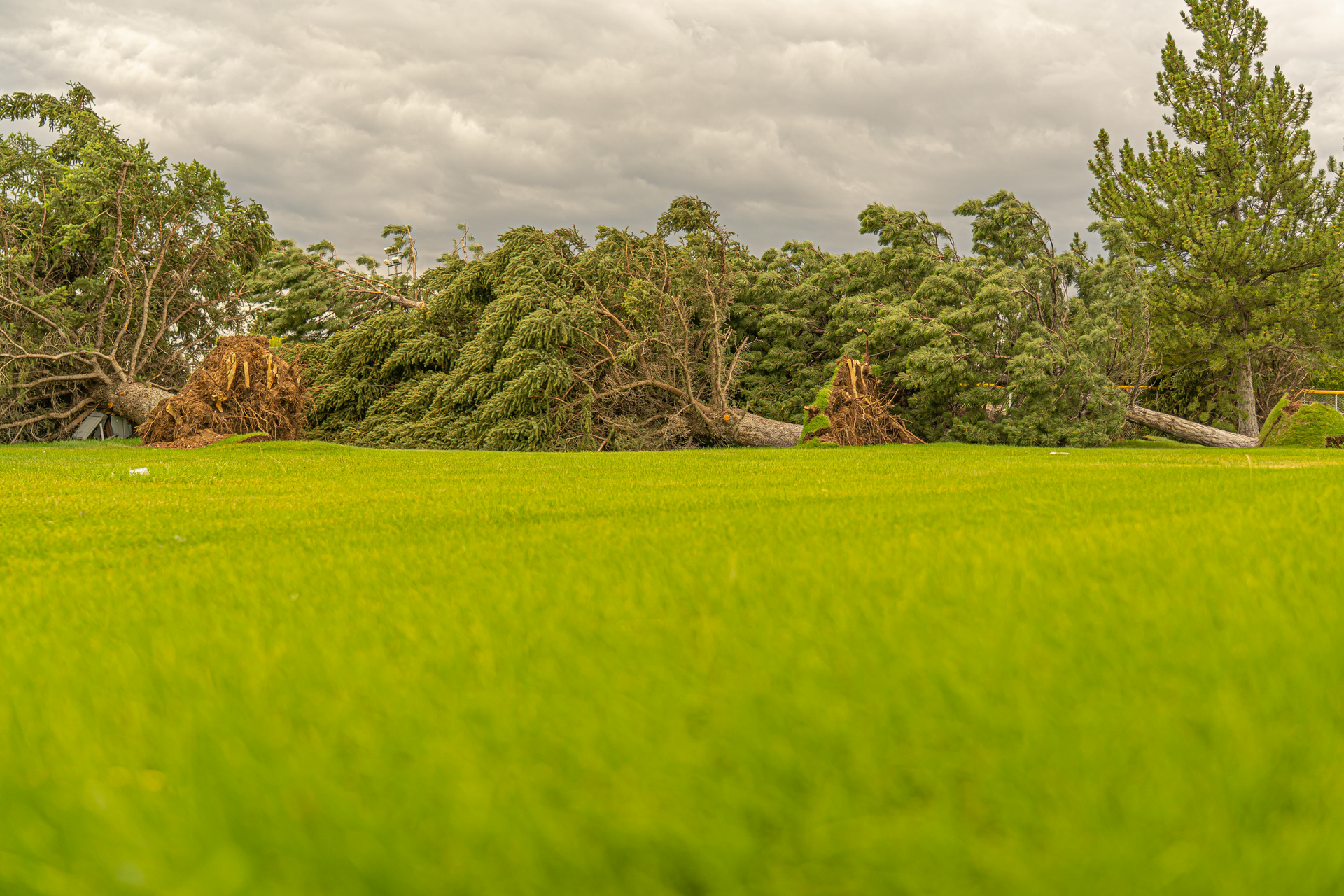
- Post-storm trimming should happen as soon as safely possible to address damage before disease or pests take hold
Not sure where to start with your yard? Fricke's Tree Service offers professional assessments and trimming for all tree types across Orlando, Winter Park, Oviedo, Sanford, and surrounding communities. Call us at (321) 240-5613 or schedule a free estimate.
SHARE POST
RECENT POSTS
Interested in Our Services?
Get in touch today to discuss your next project and we will happy to answer any questions and provide you with a no-obligation FREE Estimate.
