Summer Tree Care Tips for Central Florida Homeowners
Summer in Central Florida brings heat, humidity, and the kind of afternoon thunderstorms that remind you this is hurricane country. It's also when tree problems that have been quietly developing all year tend to surface — suddenly and often dramatically. If your trees haven't been professionally inspected or maintained this season, here's what to be watching for as summer hits its stride.
Summer Tree Stress Is Real
Trees in Florida face a different kind of summer stress than trees in most of the country. It's not drought that drives the issue — it's the combination of intense heat, saturated soil from frequent afternoon storms, and high humidity that creates ideal conditions for fungal pathogens. Roots that have been slowly compromised through the spring can fail more rapidly when the ground stays consistently wet for weeks at a time.
Keep an eye on trees that were struggling through the dry season earlier in the year. If a tree that looked sparse in April or May hasn't recovered with the return of rain, root or vascular disease may be the cause. Healthy trees typically show new growth and full canopy development once the rains begin. Trees that continue to look stressed or decline despite good conditions need professional attention.
Post-Storm Checks Are Worth Doing
After any significant storm — especially one with sustained winds or a lot of rain — walk your property and look at your trees before assuming everything is fine. Storms can leave branches cracked but still attached, which makes them far more dangerous than branches that fell outright. These "hangers" or "widow-makers" stay in the tree, weakened and ready to fall at the next storm or simply from their own weight.
Root zones can shift during heavy rainfall events, particularly on slopes or in areas with sandy soil. A tree that looks upright may have started to lean subtly, and the root plate may be partially lifted. This is the kind of thing that's easy to miss without a deliberate look.
Summer Trimming Considerations
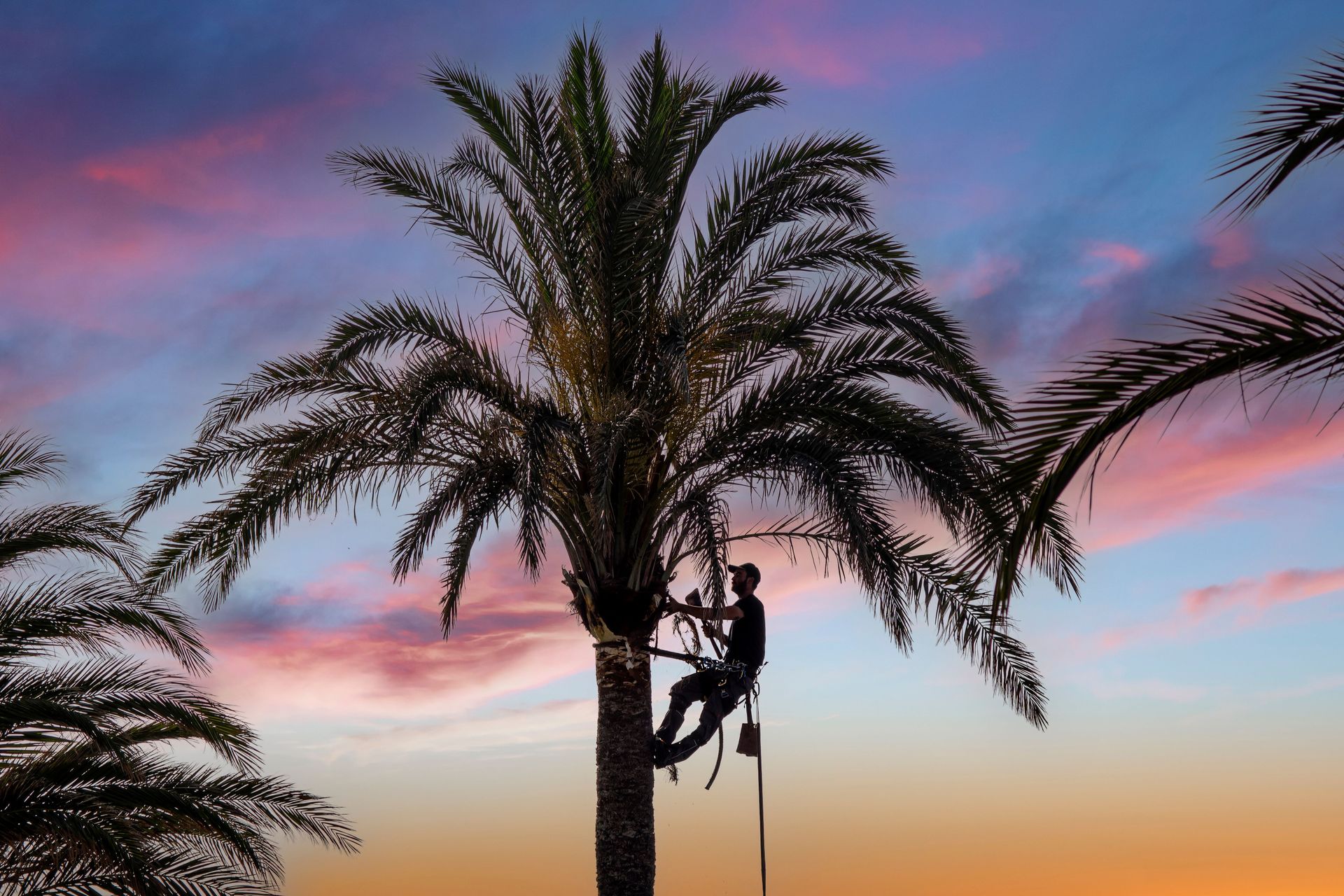
While late fall and winter are ideal for most oak trimming due to lower beetle activity, summer is not off the table for other species. Dead wood removal, in particular, should not wait — dead and dying branches are a hazard year-round and should be removed as soon as identified. Palm fronds, decorative tree cleanup, and clearing branches from structures are all appropriate summer work.
What to Watch for This July
- New leaning or soil disturbance at the base of any tree after storms
- Branches that appeared to survive a storm but are cracked at the union
- Mushroom or fungal growth at the base of trees following wet periods
- Canopy thinning on trees that should be at their fullest in summer
- Any tree within 10 feet of your home that hasn't been assessed this year
Fricke's Tree Service is available throughout the summer for storm cleanup, hazard assessments, and scheduled trimming and removal across Orlando, Sanford, Winter Park, Oviedo, DeLand, and surrounding areas. Don't wait for a problem to get worse. Call (321) 240-5613 or schedule your summer tree service today.
SHARE POST
RECENT POSTS
Interested in Our Services?
Get in touch today to discuss your next project and we will happy to answer any questions and provide you with a no-obligation FREE Estimate.
