When to Remove a Tree vs. Save It
When a tree on your property starts showing signs of trouble — a leaning trunk, dead branches, bare patches where leaves should be — the question of what to do next can feel overwhelming. Do you call someone to save it, or is it time for it to come down? The honest answer is: it depends, and a few key factors can help you make the right call before the situation gets worse or more expensive.
Signs a Tree Can Be Saved
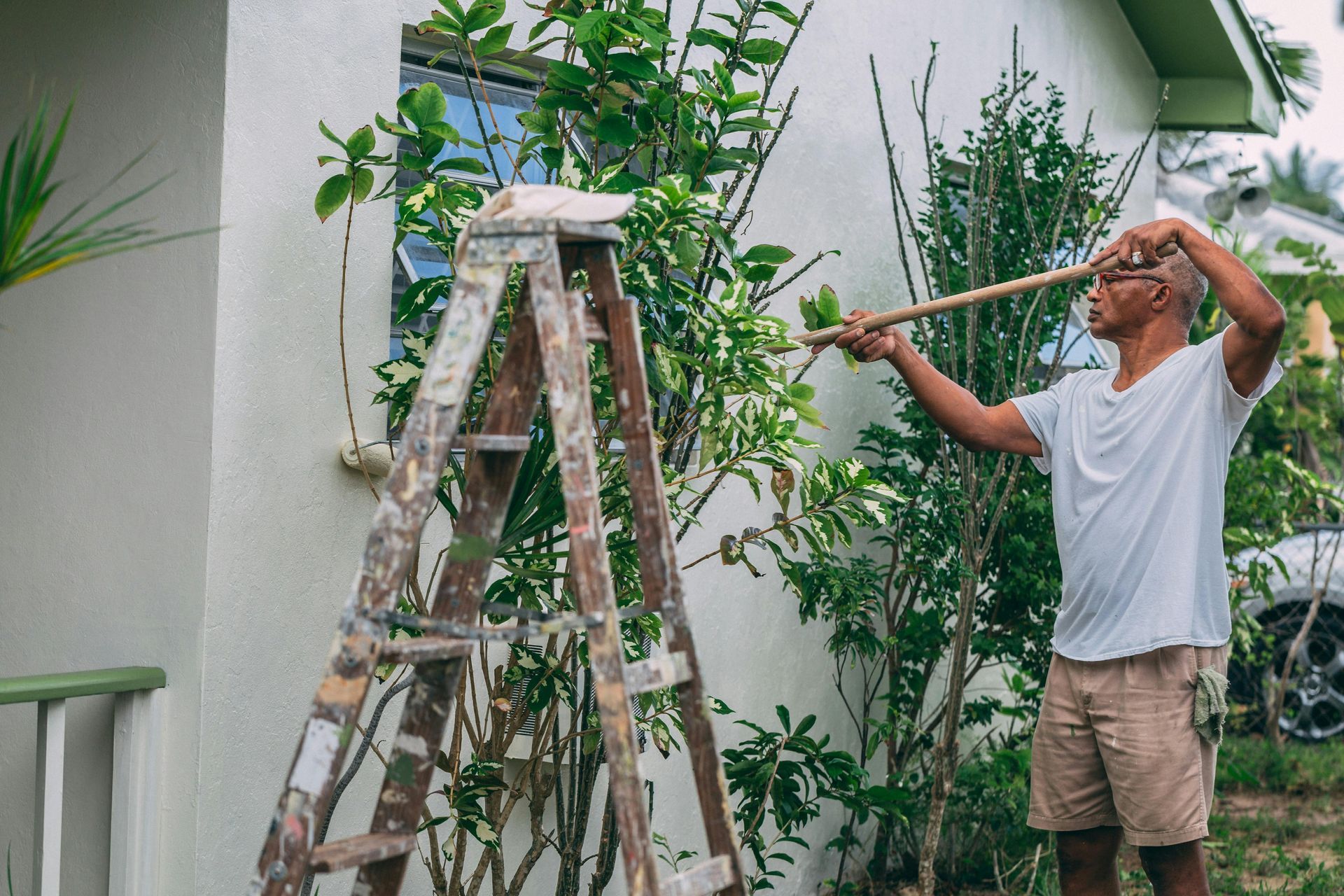
Not every struggling tree is a lost cause. If a tree has a strong, solid trunk with no visible cracks, cavities, or soft spots, and the damage is limited to branches or a portion of the canopy, there's a good chance it can recover with the right care. Trees are resilient — a well-timed trim to remove dead or damaged wood, some treatment for disease or pest activity, and a little time can go a long way.
Young trees especially tend to bounce back from storm damage or disease if caught early. If the problem is confined to one or two limbs, proper pruning by a certified professional can remove the issue without sacrificing the whole tree. The same goes for trees with manageable pest infestations — certain treatments can stop the damage in its tracks before it spreads to the root system or structural core.
Trees that have sentimental value, provide significant shade, or are key to your landscape's privacy are often worth trying to save, especially if the damage is cosmetic rather than structural. The investment in treatment or targeted trimming usually costs far less than removal plus replanting.
When Removal Is the Right Call
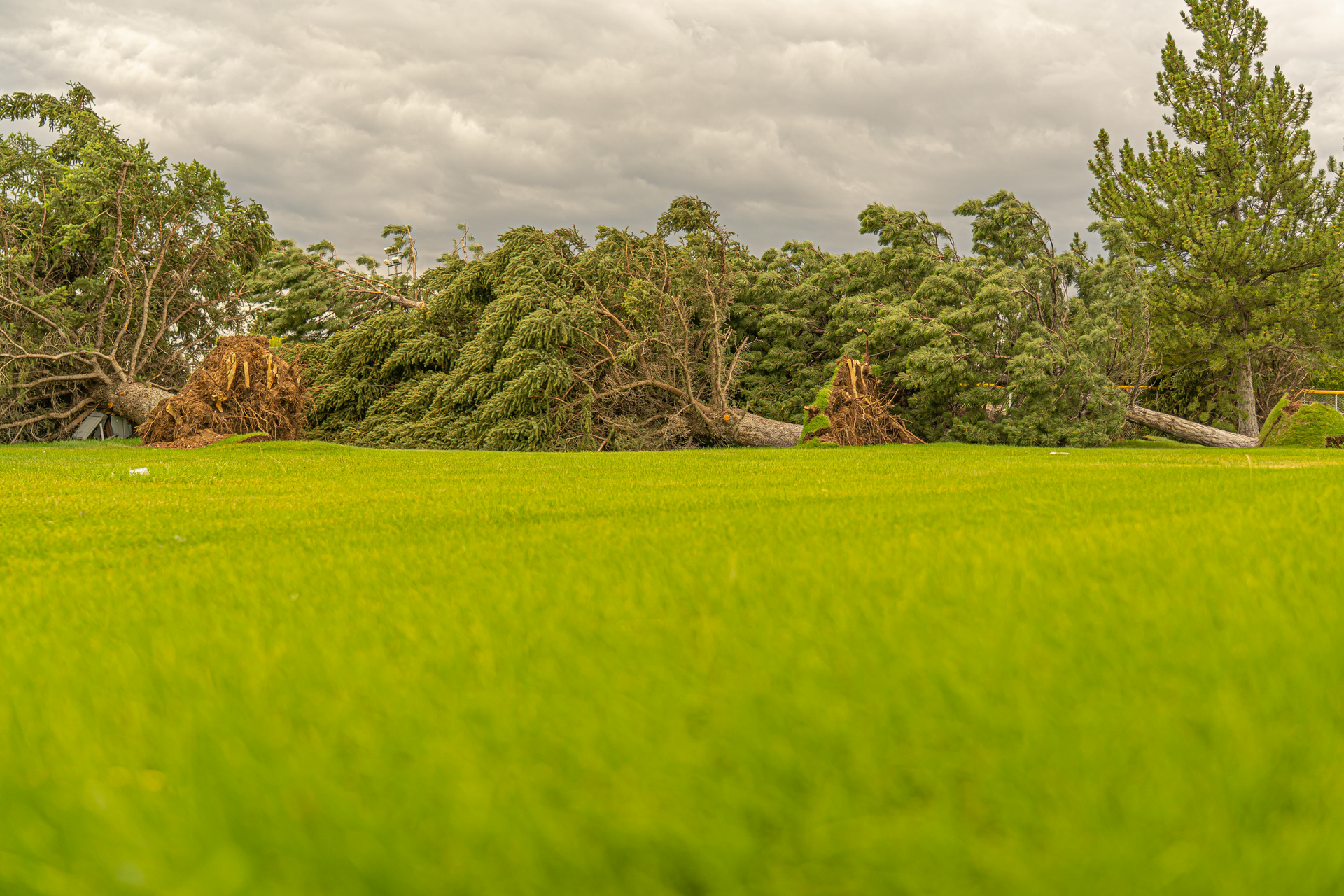
There are situations where no amount of trimming or treatment will fix the problem — and continuing to wait only increases the risk to your property and family. A tree that has lost more than 50% of its canopy, has a trunk that's hollow or severely cracked, or is leaning at a dangerous angle after a storm should be evaluated for removal without delay.
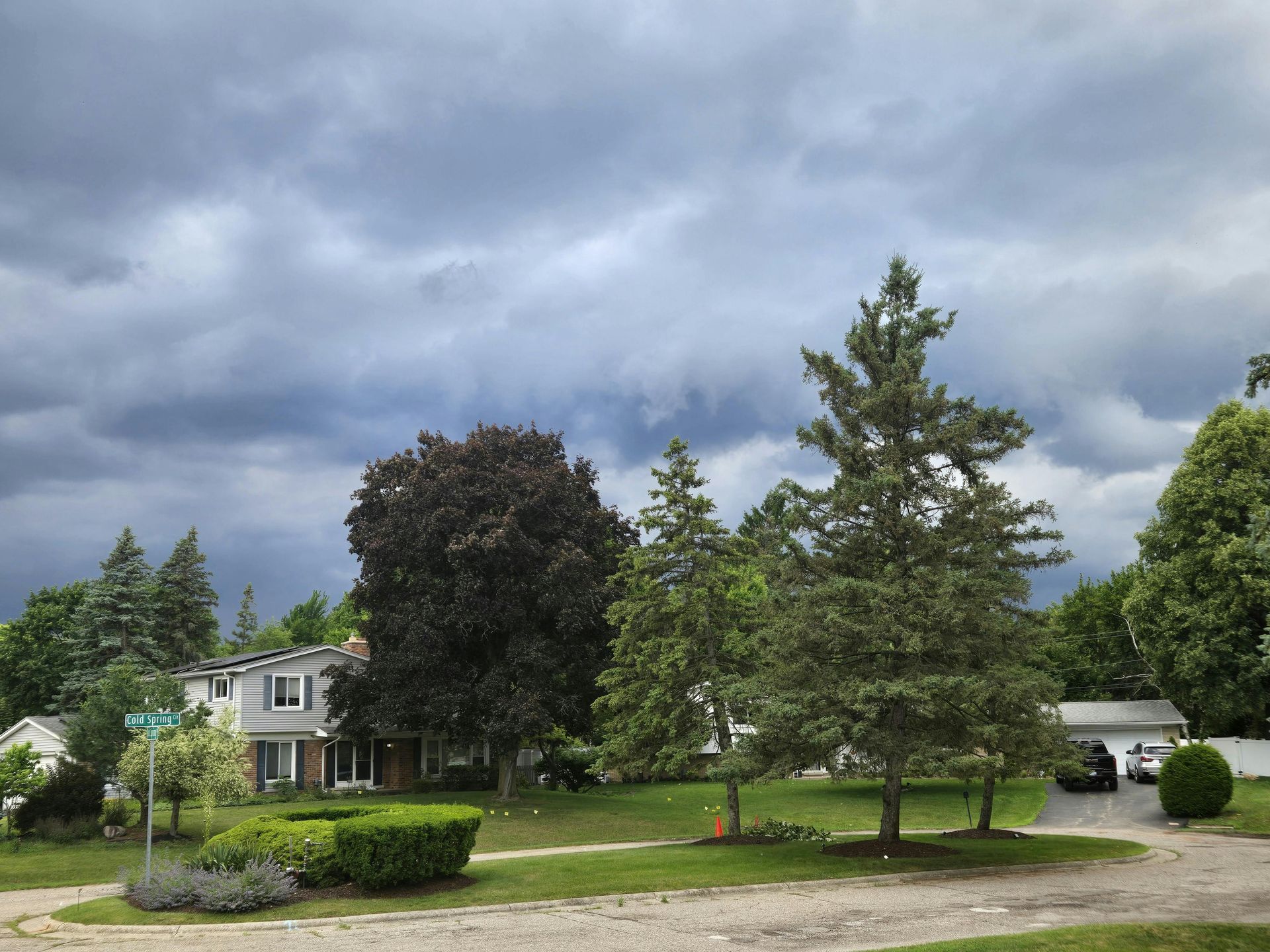
Root damage is one of the trickiest situations because it's not always visible. If you notice heaving soil around the base, mushroom growth, or a tree that's been in saturated soil for weeks, there may be significant decay happening underground. A structurally compromised tree can fall without much warning — especially during the afternoon thunderstorms that roll through Orlando, Deltona, and surrounding communities every summer.
Dead trees should always be removed promptly. A standing dead tree loses structural integrity rapidly, and the window for safe removal gets shorter the longer it sits. What costs a few hundred dollars now can become an emergency job costing several times more — or worse, a tree through your roof.
How a Professional Assessment Helps
- A trained eye can spot internal decay and root problems that aren't visible from the surface
- Professionals can identify diseases and pests that look like structural damage but are actually treatable
- You get a clear recommendation backed by experience — not guesswork
- Early intervention almost always costs less than emergency removal
- You'll know for certain whether removal is truly necessary, rather than making an expensive decision without the full picture
At Fricke's Tree Service, we've helped homeowners across Central Florida make this call thousands of times. We'll always give you an honest assessment — if we think a tree can be saved, we'll tell you. And if removal is the safer path, we'll handle it cleanly and professionally. Call us at (321) 240-5613 or request a free estimate today.
SHARE POST
RECENT POSTS
Interested in Our Services?
Get in touch today to discuss your next project and we will happy to answer any questions and provide you with a no-obligation FREE Estimate.
