When a Tree Needs to Come Down: 5 Warning Signs
Most people think of tree removal as an emergency response—a tree fell, or a storm left a dangerous mess. But the reality is that proactive tree removal, done before a problem becomes a crisis, is almost always the smarter and cheaper option. Knowing when a tree has reached the end of its safe useful life is a skill that can save you from a lot of headaches.
1. Significant Structural Damage or Lean
Trees that have developed a significant lean—especially if that lean has changed over time—may have compromised root systems or structural decay that makes them unstable. A sudden new lean is always a cause for immediate concern. Cracks in the main trunk, large cavities, or visible splitting at major branch unions are also serious structural red flags.
Not every lean means removal is necessary—trees naturally grow toward light and can lean for years without issue. But a lean combined with other symptoms like root heaving, soil cracking at the base, or recent storm damage warrants a professional assessment.
2. Extensive Deadwood Throughout the Canopy
Some deadwood in a tree's canopy is normal, particularly in the interior. But when dead branches make up 25–50% or more of the total canopy, the tree is in serious decline. At that point, pruning to remove all the deadwood would remove so much of the tree that it's no longer a viable specimen—and the risk of branch failure becomes very high.
3. Root Zone Damage or Fungal Growth at the Base
Mushrooms or conks growing at the base of a tree are a significant warning sign. They indicate decay in the root system or lower trunk—decay that isn't visible from the outside but can be extensive enough to make the tree a serious hazard. This is particularly dangerous because the tree may look completely healthy above ground.
If you see shelf fungi, large mushroom clusters, or unusual growth at or near the base of a tree, have it evaluated by a professional before making any assumptions about its stability.
4. The Tree Is in the Wrong Place
Sometimes removal isn't about a sick tree—it's about a healthy tree in the wrong location. Trees planted too close to a home, too near power lines, or in a position that blocks a driveway expansion or construction project sometimes need to come down even when they're otherwise fine. Proactive removal while the tree is manageable is always preferable to emergency removal after it's already caused damage.
5. After a Major Storm
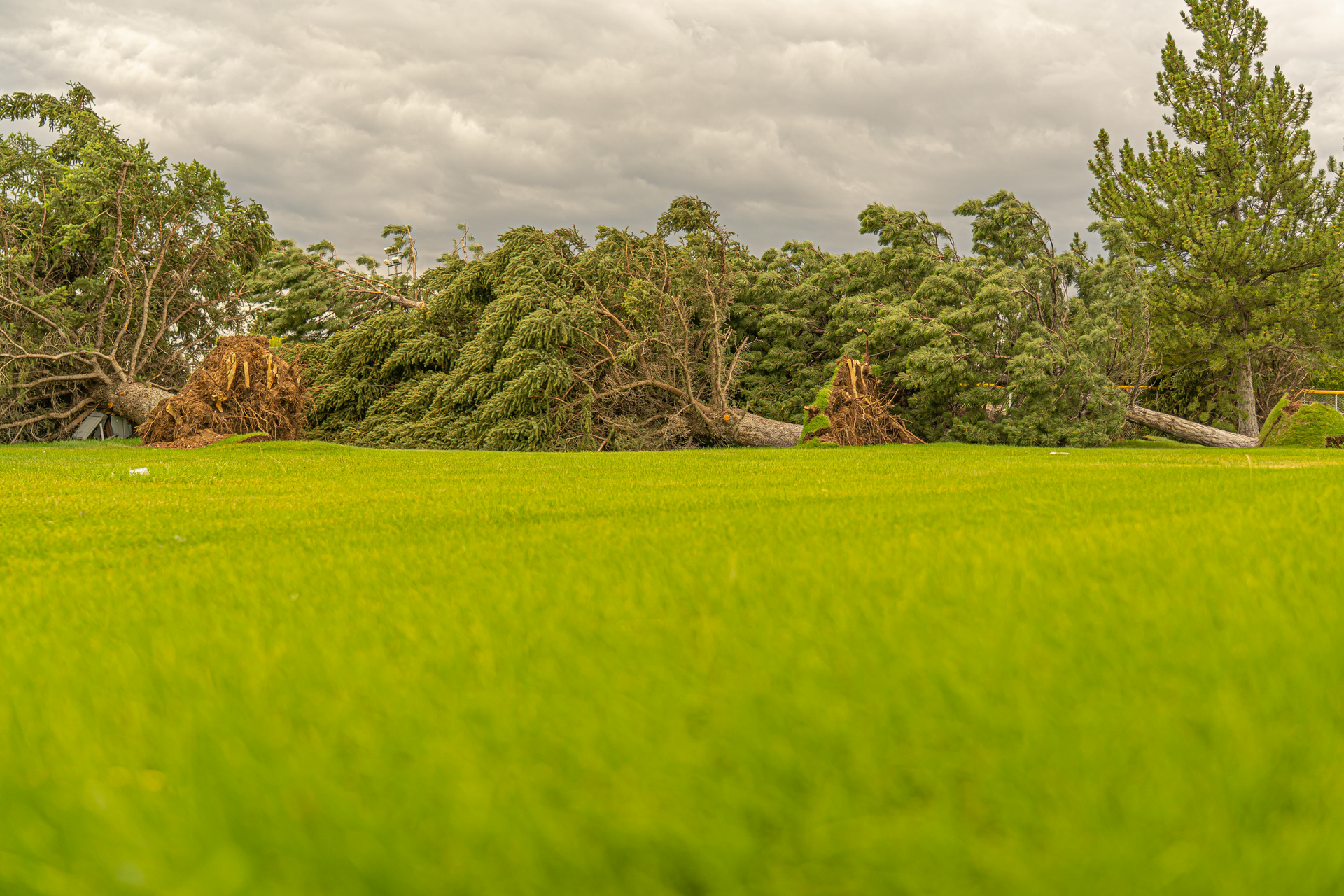
A tree that has lost major scaffold branches in a storm may never recover its structural integrity. The wound sites are entry points for decay, and the tree's balance and weight distribution have changed significantly. A post-storm assessment is always worthwhile—some storm-damaged trees recover fully, and others have been compromised in ways that make eventual failure a near certainty.
Conclusion
When in doubt, have it looked at. Fricke's Tree Service offers assessments and can give you an honest read on whether a tree can be saved or needs to come down. We don't push removal when it isn't necessary—but we'll tell you when it is. Call us for a free estimate.
SHARE POST
RECENT POSTS


Interested in Our Services?
Get in touch today to discuss your next project and we will happy to answer any questions and provide you with a no-obligation FREE Estimate.
