Tree Trimming Tips for Hurricane Season
Hurricane season in Florida isn't a "maybe" — it's a certainty. And while you can't control the weather, you can absolutely control how prepared your trees are when the next storm rolls through. Proper trimming before peak season is one of the most effective things you can do to protect your home, your yard, and your neighbors' property. But not all trimming helps. Done wrong, it can actually make things worse.
Why Trimming Reduces Storm Risk
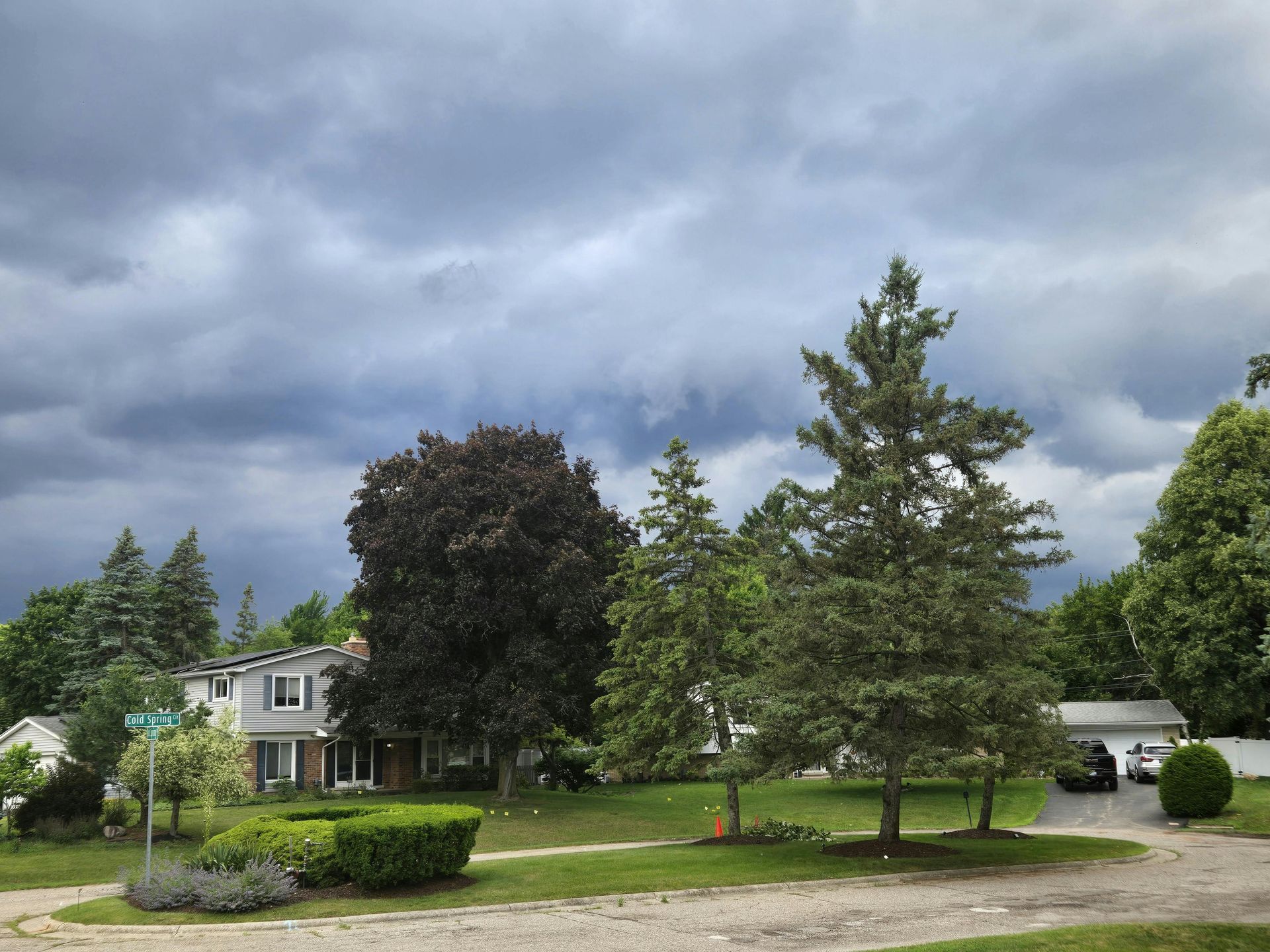
A well-trimmed tree handles wind differently than one that hasn't been touched in years. Dense, untrimmed canopies act like a sail — they catch wind instead of letting it pass through. By selectively removing dead wood, crossing branches, and excess interior growth, you reduce the tree's wind resistance and allow air to move through the canopy rather than pushing against it.
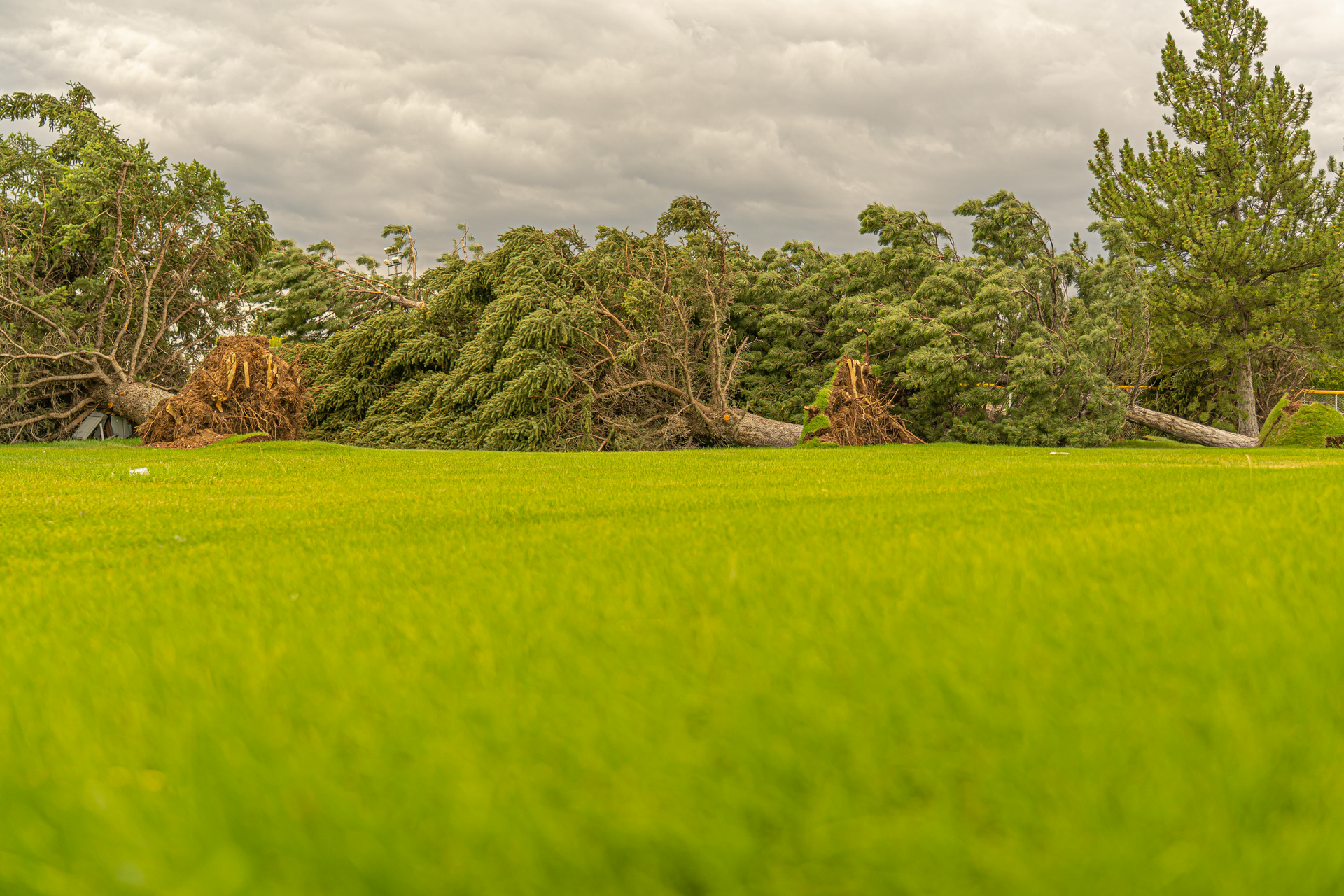
Removing dead or dying branches before hurricane season is especially important. Dead wood has no flexibility — it doesn't bend with the wind, it breaks. A dead limb that holds on through a normal afternoon storm can become a projectile during a 70 mph gust. Getting rid of dead wood before it becomes a missile is one of the simplest and highest-impact things you can do for storm preparedness.
Structurally weak attachments — branches with co-dominant stems or tight V-shaped unions — are also high-priority targets before storm season. These attachment points are more likely to split under load, and they're not always obvious to untrained eyes. A professional crew knows what to look for.
What NOT to Do: Hurricane Cutting
One of the most widespread mistakes in Central Florida is "hurricane cutting" — stripping a tree down to its main limbs and leaving little to no canopy. Homeowners and some inexperienced crews do this thinking it reduces risk. It doesn't. It actually creates it.
When a tree is topped or over-thinned, it responds by sending out fast-growing, weakly attached sprouts called water sprouts. These new shoots grow quickly but attach poorly to the tree. Within a season or two, the tree is more full than ever — but now filled with structurally inferior wood that's more prone to failure than what was there before. Topped trees are also more susceptible to disease, pest entry through the cut wounds, and sunscald on newly exposed bark.
Pre-Storm Trimming Priorities
- Remove all dead and dying branches throughout the canopy
- Clear any branches within 10 feet of your roof or structure
- Address co-dominant stems and weak branch unions
- Open up dense interior growth to allow wind passage
- Remove any branches crossing or rubbing against each other
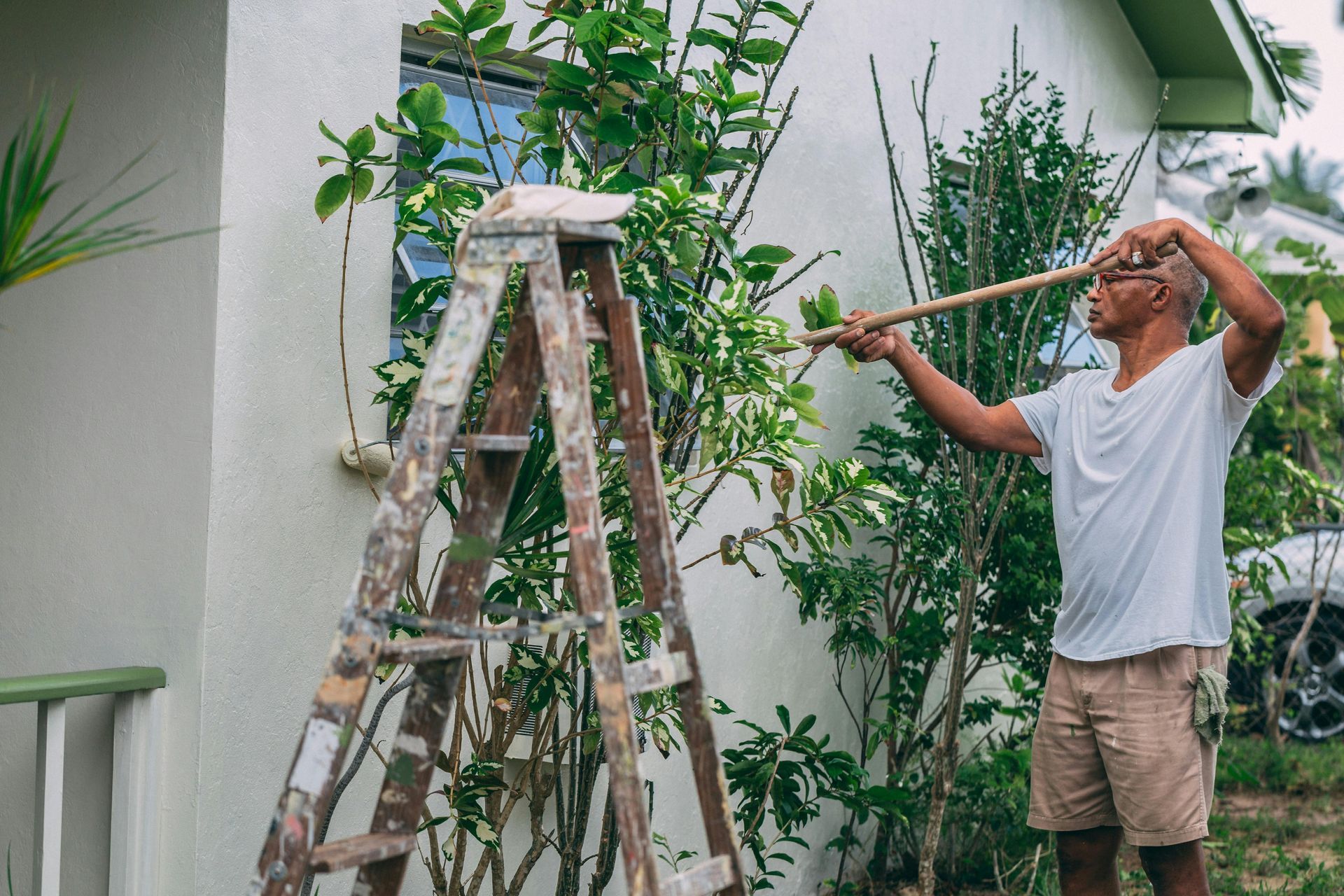
- Have palms cleaned of dead fronds, which can become airborne in high winds
The best time to prep your trees for hurricane season is before it begins — not when a storm is 48 hours out. Fricke's Tree Service serves homeowners across Orlando, Winter Park, Oviedo, Sanford, and surrounding communities. Schedule your pre-season trim now. Call (321) 240-5613 or request a free estimate.
SHARE POST
RECENT POSTS


Interested in Our Services?
Get in touch today to discuss your next project and we will happy to answer any questions and provide you with a no-obligation FREE Estimate.
