Signs Your Tree Has Root Damage
Tree root problems are one of the most misunderstood issues in home landscaping. Because roots grow underground, damage can be extensive before anything visible appears on the surface. By the time a homeowner notices symptoms, the root system may have been compromised for months or even years. Here's how to read the above-ground signs your tree is giving you about what's happening beneath the soil.
What Causes Root Damage
Root systems can be damaged in several ways. In Central Florida, root rot caused by fungal pathogens — particularly Phytophthora and Ganoderma species — is one of the most common culprits. These fungi thrive in our warm, humid climate and spread through saturated soil, making rainy season a particularly high-risk period for vulnerable trees.
Construction and landscaping activity is another major cause. Cutting, compacting, or grading over root zones — even at distances from the trunk that seem safe — can sever or damage critical root structure. The effects often don't show up immediately; a tree can look fine for a year or two after root damage before the stress becomes visible in the canopy.
Buried roots that contact underground utilities, septic systems, or hardscape can become restricted or damaged over time. This is especially common in older neighborhoods across the Orlando and Sanford area, where trees have been growing for decades alongside aging infrastructure.
Above-Ground Symptoms of Root Trouble
Wilting or drought stress on a tree that's been watered adequately is one of the clearest signs of a root problem. When roots can't effectively absorb water, even well-watered trees show the signs of dehydration — drooping leaves, early browning, and premature leaf drop. If these symptoms appear despite normal rainfall or irrigation, the roots are the first place to investigate.
Sparse foliage or a thinner-than-normal canopy, particularly when the decline is gradual over multiple seasons, often points to root stress. The tree simply can't support the same amount of leaf growth when its root system is compromised. Branches dying back from the tips inward — called "dieback" — is another telling indicator.
Physical Signs at and Below Ground Level
- Heaving or cracking soil around the base, indicating root movement or instability
- Mushrooms, shelf fungi, or dark staining at the base of the trunk (signs of fungal decay)
- Softness or sponginess in the wood at the base when pressed
- Exposed surface roots with visible injury, cracking, or dark discoloration
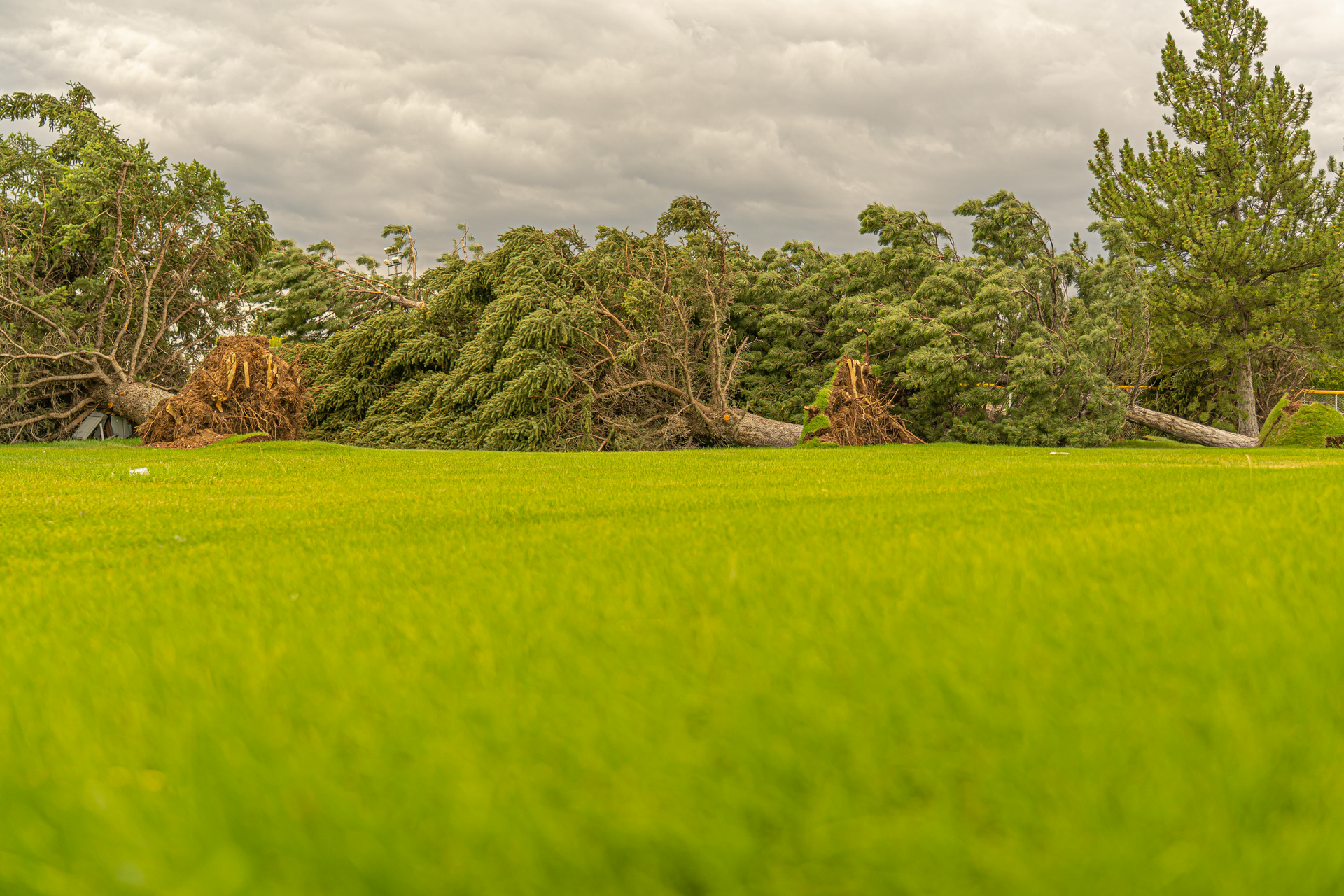
- A noticeable lean that has developed or worsened, especially after wet periods
Root problems almost always get worse over time, not better. If you're seeing symptoms that suggest root damage on a tree in your yard, early professional evaluation is the best move. Fricke's Tree Service works with homeowners throughout the DeLand, Deltona, Orange City, and Orlando metro areas. Call us at (321) 240-5613 or request a free assessment.
SHARE POST
RECENT POSTS


Interested in Our Services?
Get in touch today to discuss your next project and we will happy to answer any questions and provide you with a no-obligation FREE Estimate.
