Oak Trees in Florida: Care and Common Problems
If you have live oaks in your yard, you already know they're some of the most beautiful and enduring trees in Central Florida. They provide extraordinary shade, weather storms well, and can live for centuries. But like any tree, they have specific needs — and a few vulnerabilities that Florida's climate makes worse. Here's what you should know about caring for your oaks and the problems to watch for.
Why Live Oaks Thrive in Florida
Live oaks (Quercus virginiana) are one of the most wind-tolerant trees in the Southeast. Their wide-spreading canopies and dense, flexible wood make them far more hurricane-resistant than most other tree species. Where a pine or camphor tree might snap or uproot in a major storm, a healthy live oak flexes and holds. That's a big reason they're so dominant in older Central Florida neighborhoods and on historic properties throughout the region.
Live oaks are also largely evergreen in our climate — they shed leaves in late winter and spring but are quickly replaced. Their extensive root systems make them drought-tolerant once established, and they do well in Florida's sandy, well-draining soil. For long-term shade investment, few trees deliver more per dollar over time.
Common Problems to Watch For
The biggest threat to live oaks in Central Florida is oak wilt, a fungal disease spread by sap beetles and, more commonly, through root-to-root contact between adjacent trees. Signs include browning that starts at the leaf margins and moves inward, and rapid defoliation. While oak wilt is more prevalent in Texas, it has been documented in Florida and warrants monitoring on properties where oaks are growing in close groups.
Ganoderma root rot is a more common concern here. It's caused by the Ganoderma fungus, which enters through wounds at the base of the tree and decays the root system and lower trunk. The distinctive shelf-like fruiting bodies (conks) that appear at the base of the tree are often the first visible sign — by then, significant internal decay has already occurred. There is no cure; infected trees need to be monitored and removed when they become a hazard.
Laurel wilt, spread by an invasive beetle, primarily targets redbay and swamp bay but has been documented affecting other Lauraceae. While live oaks aren't its primary target, trees weakened by root rot or other stressors can be more susceptible to secondary pest problems.
Trimming and Maintenance Tips
- Prune live oaks in late fall or early winter when sap beetles (wilt vectors) are least active
- Always paint or seal fresh cuts immediately to reduce beetle attraction and disease entry
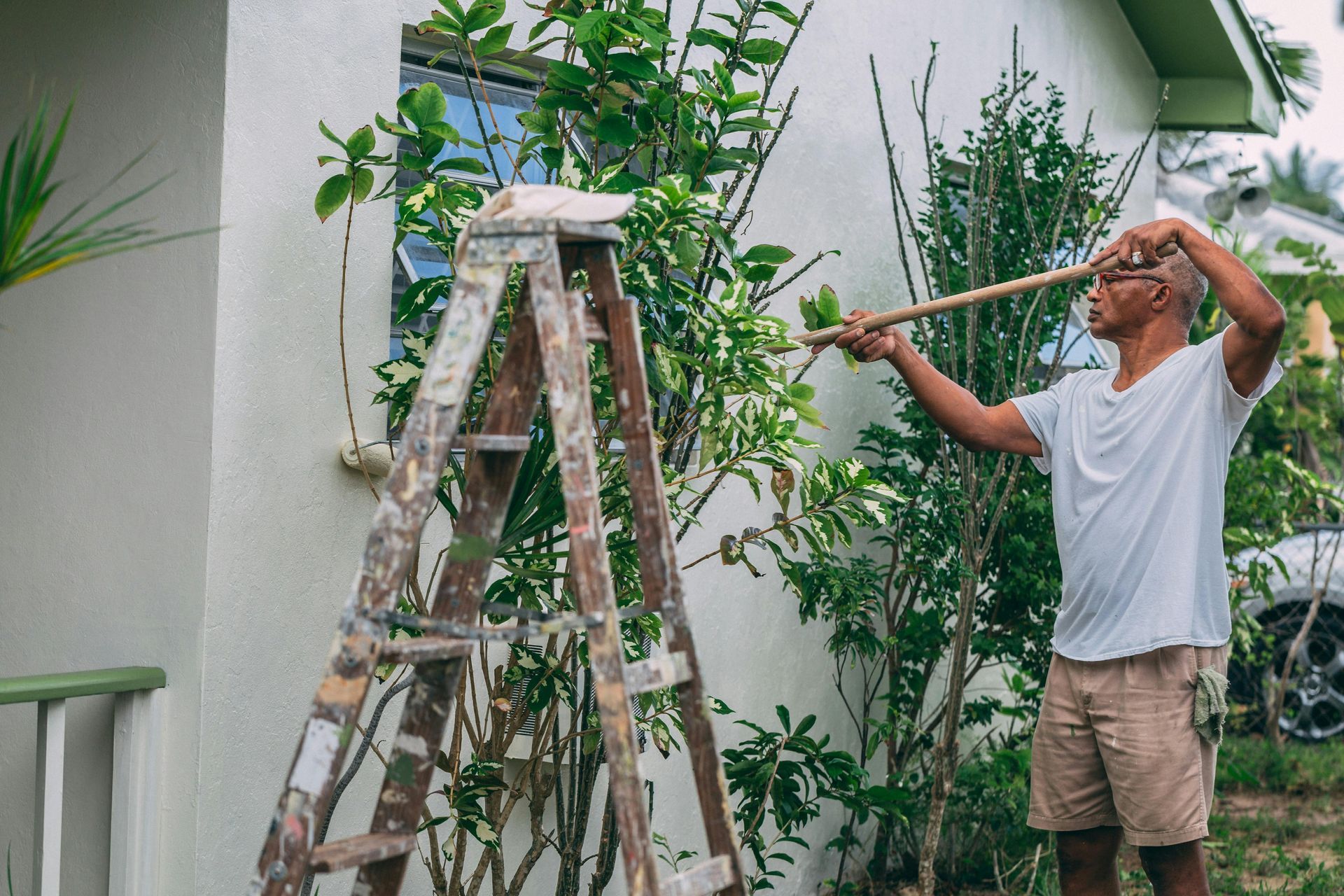
- Remove dead and crossing branches on a regular schedule — every 3-5 years is typical for mature oaks
- Avoid injuring root zones with heavy equipment, grade changes, or compaction
- If you see Ganoderma conks at the base of any oak, call a professional for evaluation before the next storm season
Fricke's Tree Service has extensive experience working with live oaks and other oak species throughout Orlando, Winter Park, Oviedo, and the surrounding areas. Whether it's routine trimming, hazard assessment, or removal of a compromised tree, we're here to help. Call (321) 240-5613 or get a free estimate.
SHARE POST
RECENT POSTS
Interested in Our Services?
Get in touch today to discuss your next project and we will happy to answer any questions and provide you with a no-obligation FREE Estimate.
