Fricke's Tree Service
Why Bobcat Grading is Ideal for Leveling Uneven Land
When it comes to leveling uneven land, many options are available, but few are as effective and efficient as bobcat grading. This method utilizes a bobcat, a versatile piece of machinery, to reshape and level the terrain, making it ideal for various applications, from residential landscaping to commercial construction. In this post, we will explore why bobcat grading is the go-to solution for leveling uneven land, highlighting its benefits, process, and applications.
Understanding Bobcat Grading
Bobcat grading involves using a bobcat loader equipped with a grading attachment to smooth and level the ground. This process is particularly useful for:- Preparing land for construction projects
- Creating a level surface for landscaping
- Improving drainage and water flow
- Clearing land for agricultural purposes
Benefits of Bobcat Grading
There are several advantages to using bobcat grading for leveling uneven land:- Efficiency: Bobcat grading can complete tasks much faster than manual labor or smaller equipment, saving time and reducing labor costs. This efficiency is particularly beneficial for large-scale projects where time is of the essence.
- Precision: The grading attachments allow for accurate leveling, ensuring a smooth and even surface. This precision is essential for applications where the final surface must meet specific standards, such as in construction or landscaping.
- Versatility: Bobcats can be equipped with various attachments, making them suitable for different grading tasks, from light landscaping to heavy-duty construction. This versatility means that a single piece of equipment can handle multiple tasks, reducing the need for additional machinery.
- Accessibility: Their compact size allows them to access areas that larger machinery cannot, making them ideal for residential properties. This accessibility is a significant advantage in urban settings where space is at a premium.
The Bobcat Grading Process
The process of bobcat grading typically involves several key steps:- Site Assessment: Before grading begins, a thorough assessment of the site is conducted to identify the specific needs and challenges of the terrain. This assessment helps in planning the grading process effectively.
- Preparation: Any obstacles, such as rocks or debris, are removed to ensure a clear working area. This step is crucial for preventing damage to the equipment and ensuring a smooth grading process.
- Grading: The bobcat is used to level the land, adjusting the blade height as needed to achieve the desired slope and surface. This adjustment is vital for ensuring proper drainage and preventing water pooling.
- Finishing Touches: After the initial grading, additional passes may be made to refine the surface and ensure it meets the required specifications. This attention to detail can make a significant difference in the final appearance and functionality of the graded area.
Applications of Bobcat Grading
Bobcat grading is suitable for a wide range of applications, including:- Residential Landscaping: Homeowners often use bobcat grading to create level areas for patios, gardens, and driveways. This capability enhances the aesthetic appeal and functionality of outdoor spaces.
- Commercial Construction: Businesses require level land for building foundations, parking lots, and other structures. Proper grading is essential for ensuring the stability and safety of these constructions.
- Agricultural Land Preparation: Farmers use grading to create flat fields for planting and irrigation. This preparation is crucial for maximizing crop yields and ensuring efficient water management.
- Road and Pathway Construction: Bobcat grading is essential for creating smooth roads and pathways in both urban and rural settings. Well-graded surfaces improve accessibility and safety for vehicles and pedestrians alike.
Choosing the Right Bobcat Grading Service
When selecting a bobcat grading service, consider the following factors:- Experience: Look for a company with a proven track record in grading services. Experienced operators are more likely to deliver high-quality results.
- Equipment: Ensure they use well-maintained, modern bobcats and attachments for optimal results. The right equipment can significantly impact the efficiency and quality of the grading process.
- Reviews: Check customer reviews and testimonials to gauge the quality of their work. Positive feedback from previous clients can provide reassurance about the service's reliability.
- Pricing: Obtain quotes from multiple providers to ensure competitive pricing without compromising quality. It's essential to balance cost with the level of service provided.
Conclusion
Bobcat grading is an ideal solution for leveling uneven land due to its efficiency, precision, and versatility. Whether for residential, commercial, or agricultural purposes, this method provides a reliable way to prepare land for various applications. By understanding the benefits and process of bobcat grading, you can make informed decisions for your land leveling needs. Investing in professional bobcat grading services can lead to better project outcomes, ensuring that your land is not only level but also functional and aesthetically pleasing.SHARE POST
RECENT POSTS

The best tree care is consistent and proactive. Here's a summary of the habits that protect your property and prevent costly emergencies.
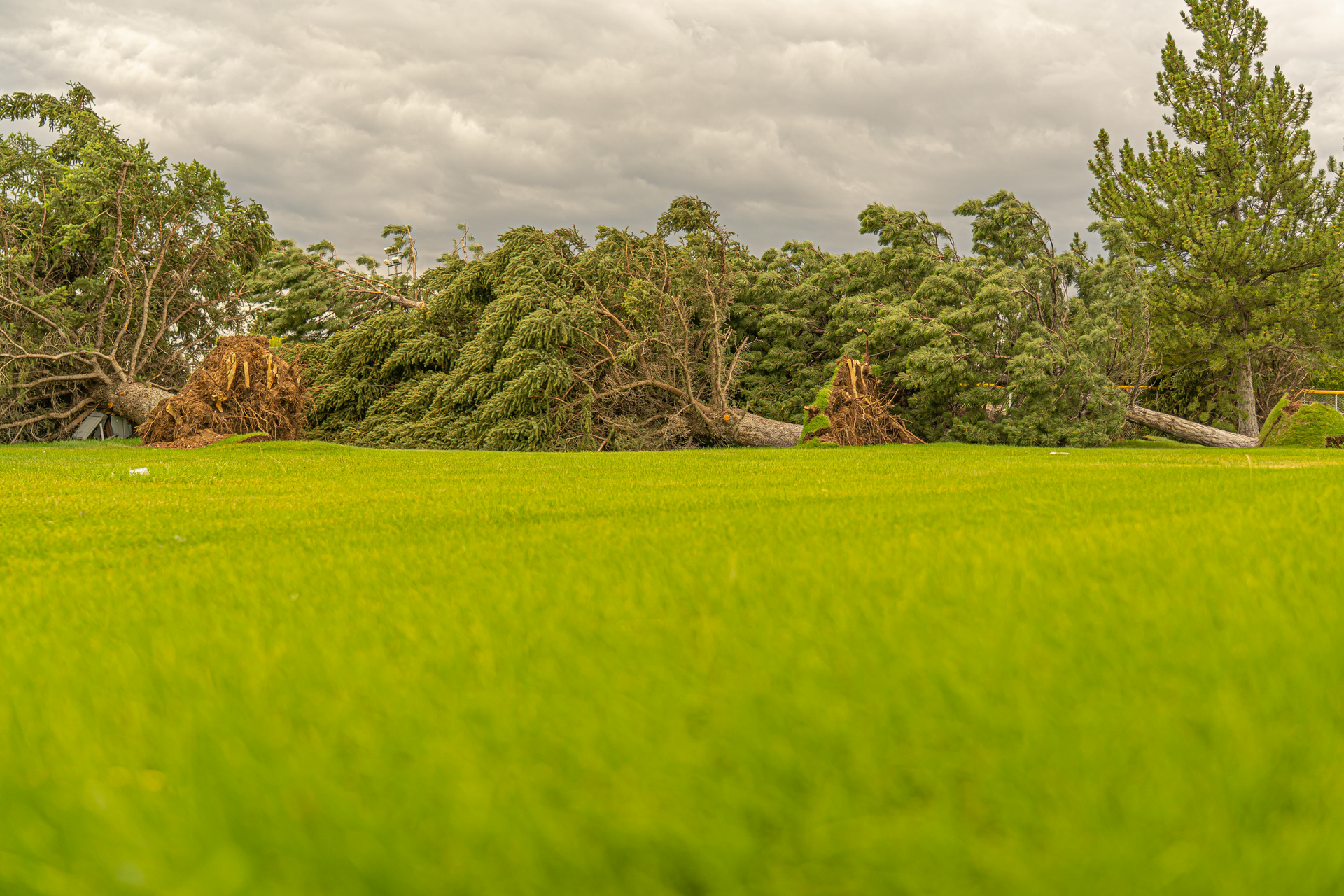
Summer storms and heat create real risks for Central Florida trees. Here's what to watch for and when to call a professional this July.
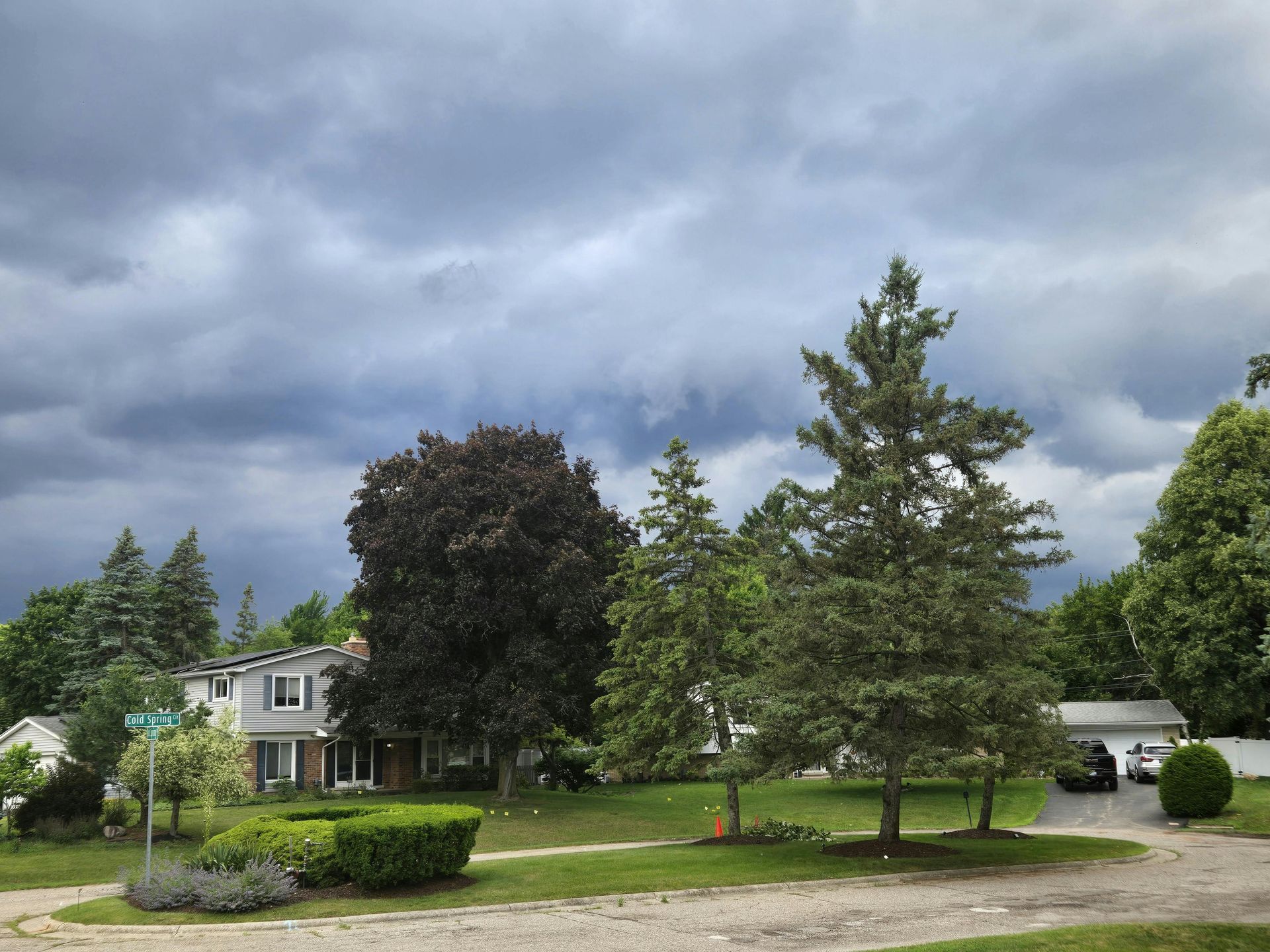
Storm season is here. Use this practical checklist to inspect your trees and prepare your Central Florida property before the next storm.

Palm trimming mistakes are common in Florida. Learn what helps your palms thrive — and what causes long-term damage to avoid.
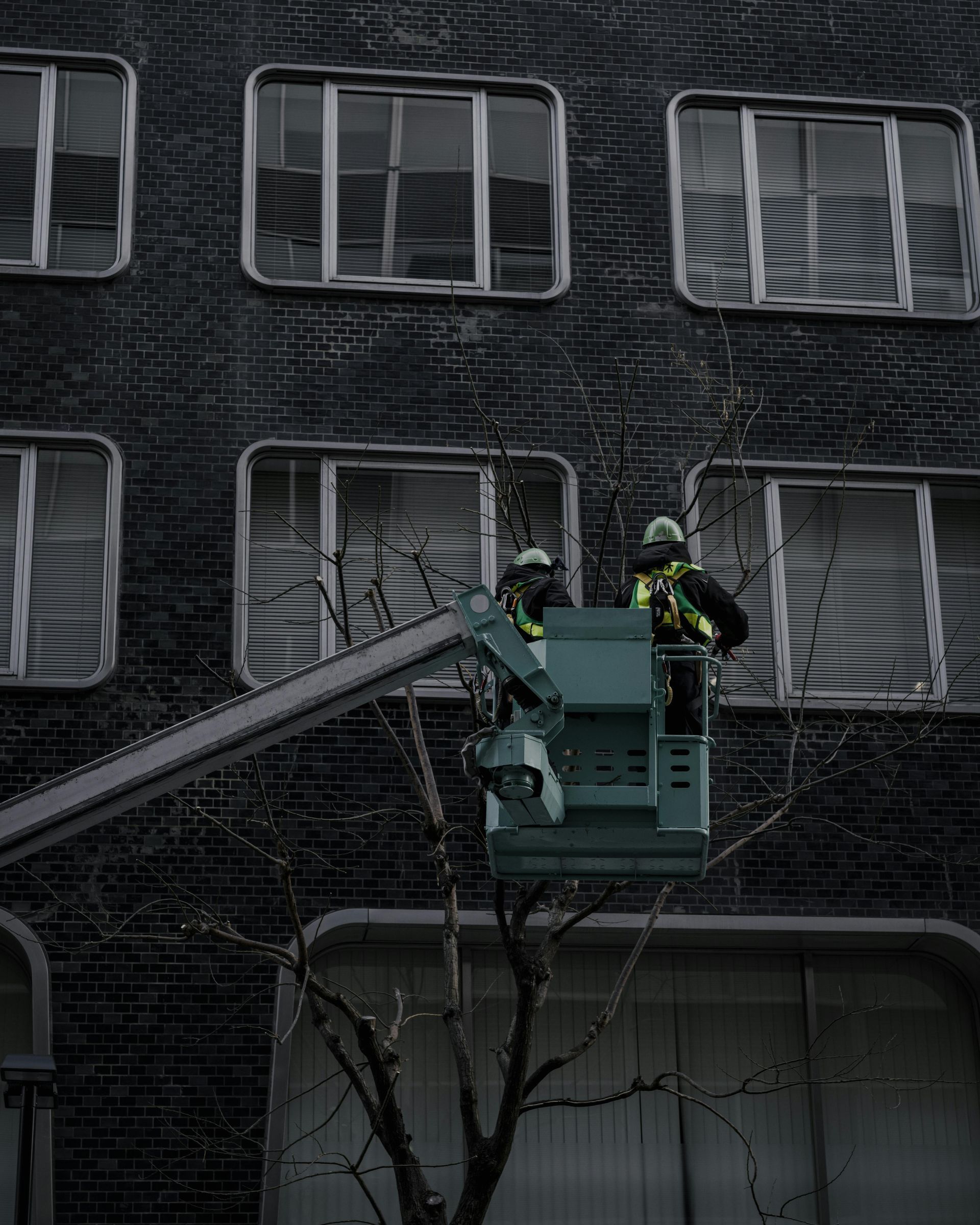
Not all tree companies are equal. Learn what to verify before hiring — licensing, insurance, red flags, and what to expect from a good crew.

Tree trimming schedules vary by species. Here's how often to trim live oaks, palms, crape myrtles, and fruit trees in Central Florida.
Interested in Our Services?
Get in touch today to discuss your next project and we will happy to answer any questions and provide you with a no-obligation FREE Estimate.
