Tree Care in Sanford, FL: What Local Homeowners Should Know
Sanford has one of the most distinctive landscapes in Central Florida. The city's proximity to Lake Monroe and the St. Johns River means lush, mature tree canopies are a defining feature of neighborhoods from downtown to the suburbs. But that same environment—wet, warm, and prone to intense storms—creates specific tree care challenges that homeowners need to understand.
Here's what Sanford residents should know about keeping their trees healthy, safe, and properly maintained.
1. Water Oak and Laurel Oak: Sanford's Most Common—and Most Demanding—Trees
If you live in Sanford, there's a good chance your yard includes water oaks or laurel oaks. These species are prolific in the area and provide excellent shade, but they come with a catch: they're relatively short-lived (30–50 years) and tend to decline quickly once they hit their mature phase. A water oak that looks completely healthy from the street can have significant internal decay that makes it a serious hazard.
Annual inspections are highly recommended for these species, particularly for trees near homes, driveways, or vehicles. Our team can assess structural integrity and let you know whether a tree is worth saving with trimming or has reached the point where removal is the safer option.
2. The Impact of Sanford's High Water Table
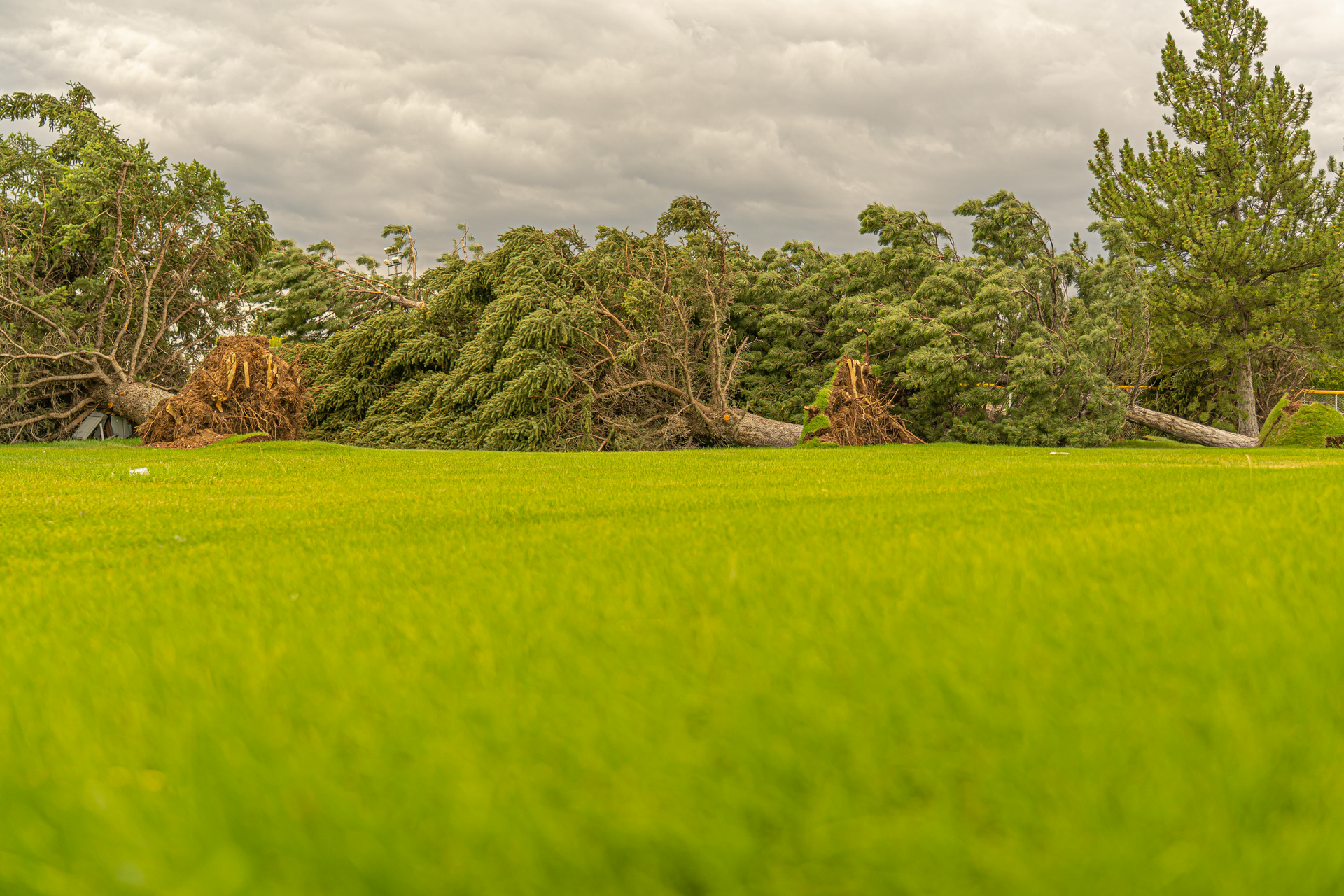
Sanford's proximity to waterways means a higher water table in many areas of the city. This affects tree root systems in important ways—roots don't need to grow as deep in wet soils, which means they tend to spread shallower and wider. This can increase the risk of roots conflicting with driveways, sidewalks, and foundations, and also means that large trees can be more susceptible to wind throw during storms when roots don't have the deep anchoring that drier soils provide.
If you have large trees on your property and notice significant leaning, visible root lifting near the base, or soil heaving, those are warning signs worth having evaluated before storm season.
3. Spanish Moss: Scenic but Worth Monitoring
Spanish moss is part of what makes Central Florida's landscape so visually distinctive, and it's not actually parasitic—it uses trees for support but draws nutrients from the air. In moderate amounts, it's harmless. However, very heavy accumulations can add significant weight to branches and reduce airflow through the canopy, potentially promoting fungal issues in humid conditions.
During routine trimming, removing excessively heavy moss from structurally important limbs is a reasonable step. It won't hurt the tree or the moss population overall.
4. Storm Season Prep Matters More Near the Water
Properties near Lake Monroe and other waterways in Sanford tend to get stronger wind gusts during storms than inland locations. If your trees have extended, unpruned canopies—particularly water oaks or laurel oaks—they're presenting a larger sail to the wind, which significantly increases the risk of branch failure or uprooting.
Pre-hurricane season trimming (ideally done in May or early June) reduces wind resistance and removes the weak and dead branches most likely to fail. It's one of the best investments you can make in protecting your home and vehicles from storm damage.
5. Protecting Mature Trees Around Historic Properties
Sanford's historic downtown and adjacent neighborhoods have some of the largest and oldest trees in Seminole County. If you own a historic property with mature trees, removal is often the last resort—and for good reason. These trees contribute enormously to property value and neighborhood character.
The good news is that proper trimming, cabling, and bracing can often extend the life of a large tree significantly. Our team can assess your specific trees and provide options that prioritize preservation where structurally possible.
Conclusion
Sanford's beautiful tree canopy is one of the city's greatest assets, but it requires thoughtful care to stay safe and healthy. Whether you're dealing with aging oaks, storm prep, or roots threatening your driveway, Fricke's Tree Service is familiar with the specific conditions in Sanford and the surrounding Seminole County area. Give us a call for a free estimate—we'd love to help you protect what you've got.
SHARE POST
RECENT POSTS
Interested in Our Services?
Get in touch today to discuss your next project and we will happy to answer any questions and provide you with a no-obligation FREE Estimate.
