Fricke's Tree Service
The Role of Tree Trimming in Storm Preparedness for Orlando Residents
As storm season approaches, Orlando residents must take proactive measures to protect their homes and families. One crucial aspect of storm preparedness that often goes overlooked is tree trimming. Properly maintained trees can significantly reduce the risk of damage during severe weather events. In this post, we will explore the role of tree trimming in storm preparedness, the benefits it offers, and practical tips for residents to ensure their trees are ready for the storms ahead.
Understanding the Importance of Tree Trimming
Tree trimming is not just about aesthetics; it plays a vital role in maintaining the health and safety of trees. Here are some key reasons why tree trimming is essential:- Health of the Tree: Regular trimming helps remove dead or diseased branches, promoting overall tree health. This process encourages new growth and allows the tree to thrive, ensuring it remains strong and resilient against harsh weather conditions.
- Wind Resistance: Thinning out the canopy allows wind to pass through, reducing the risk of uprooting. A well-trimmed tree can better withstand strong gusts, minimizing the chances of it becoming a hazard during storms.
- Safety: Trimming branches that are too close to power lines or structures can prevent dangerous situations during storms. This proactive measure can help avoid power outages and property damage caused by falling branches.
- Improved Visibility: Well-trimmed trees enhance visibility, making it easier to assess potential hazards. This is particularly important for homeowners who need to keep their property safe and secure during storm season.
How Tree Trimming Reduces Storm Damage
When storms hit, trees can become a significant hazard. Here’s how proper tree trimming can mitigate storm damage:- Minimized Falling Branches: Trimming reduces the number of branches that can break off and cause injury or property damage. By removing weak or overextended branches, homeowners can significantly decrease the risk of accidents during severe weather.
- Root Stability: A well-trimmed tree has a better root structure, making it less likely to topple over in high winds. Strong roots are essential for anchoring the tree, ensuring it remains upright even in challenging conditions.
- Less Debris: Fewer branches mean less debris to clean up after a storm, making recovery easier. This not only saves time but also reduces the potential for further damage to property and landscaping.
Best Practices for Tree Trimming
To ensure your trees are storm-ready, follow these best practices for tree trimming:- Hire a Professional: While DIY trimming can be tempting, hiring a certified arborist ensures the job is done safely and correctly. Professionals have the expertise to identify which branches to trim and how to do so without harming the tree.
- Trim During the Right Season: Late winter or early spring is the best time for trimming most trees, as they are still dormant. This timing allows for optimal healing and growth once the growing season begins.
- Focus on Weak Branches: Identify and remove branches that are weak, crossing, or growing towards structures. This targeted approach helps maintain the tree's health while reducing potential hazards.
- Maintain Tree Shape: Keep the natural shape of the tree to promote healthy growth and stability. Proper shaping not only enhances the tree's appearance but also supports its structural integrity.
Signs Your Trees Need Trimming
It’s essential to regularly assess your trees for signs that they may need trimming. Look for the following indicators:- Dead or Dying Branches: If branches are brown or brittle, they should be removed. These branches can pose a risk during storms and hinder the overall health of the tree.
- Overgrown Canopy: If the tree is blocking sunlight or obstructing views, it’s time for a trim. An overgrown canopy can also create additional weight that may lead to branch breakage during storms.
- Visible Damage: Look for cracks or splits in branches that could pose a risk during storms. Damaged branches are more likely to break off, creating hazards for your property and loved ones.
Tree Trimming and Local Regulations
Before trimming your trees, it’s essential to be aware of local regulations in Orlando. Some areas may have specific guidelines regarding tree trimming, especially for protected species. Here are some steps to follow:- Check Local Ordinances: Research any regulations that may apply to tree trimming in your area. Understanding these rules can help you avoid fines and ensure compliance with local laws.
- Obtain Necessary Permits: If required, ensure you have the proper permits before proceeding with any trimming. This step is crucial for maintaining the ecological balance and protecting local wildlife.
- Consult with Local Experts: Reach out to local arborists or tree care services for guidance on best practices and regulations. Their expertise can provide valuable insights into maintaining your trees while adhering to local laws.
Additional Storm Preparedness Tips for Orlando Residents
In addition to tree trimming, there are several other steps Orlando residents can take to prepare for storms:- Secure Outdoor Items: Bring in or secure any outdoor furniture, decorations, or tools that could become projectiles in high winds. This simple action can prevent damage to your property and that of your neighbors.
- Inspect Your Roof: Ensure your roof is in good condition and free of debris that could cause leaks during heavy rain. A well-maintained roof is essential for protecting your home from water damage.
- Have an Emergency Kit: Prepare an emergency kit with essentials like water, food, flashlights, and first aid supplies. Being prepared can make a significant difference in your safety and comfort during a storm.
- Stay Informed: Keep up with local weather reports and alerts to stay informed about approaching storms. Awareness of changing weather conditions can help you take timely action to protect your home and family.
Conclusion
Tree trimming is a critical component of storm preparedness for Orlando residents. By taking the time to maintain your trees, you can significantly reduce the risk of damage during severe weather events. Remember to assess your trees regularly, follow best practices for trimming, and stay informed about local regulations. With proper preparation, you can help ensure your home and family remain safe during storm season. Investing in tree care not only protects your property but also contributes to the overall health of the local environment, making it a win-win for everyone involved.SHARE POST
RECENT POSTS
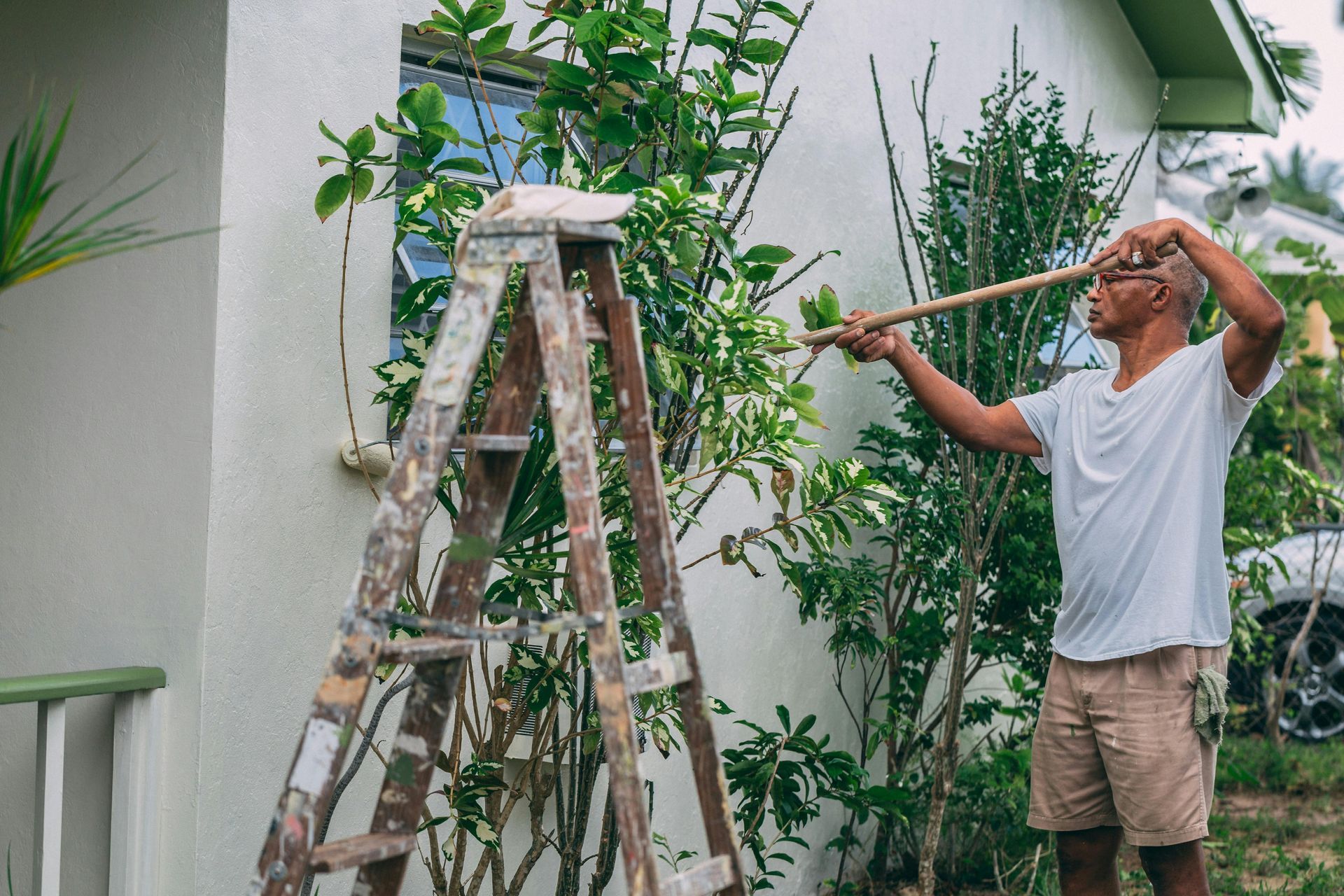
The best tree care is consistent and proactive. Here's a summary of the habits that protect your property and prevent costly emergencies.
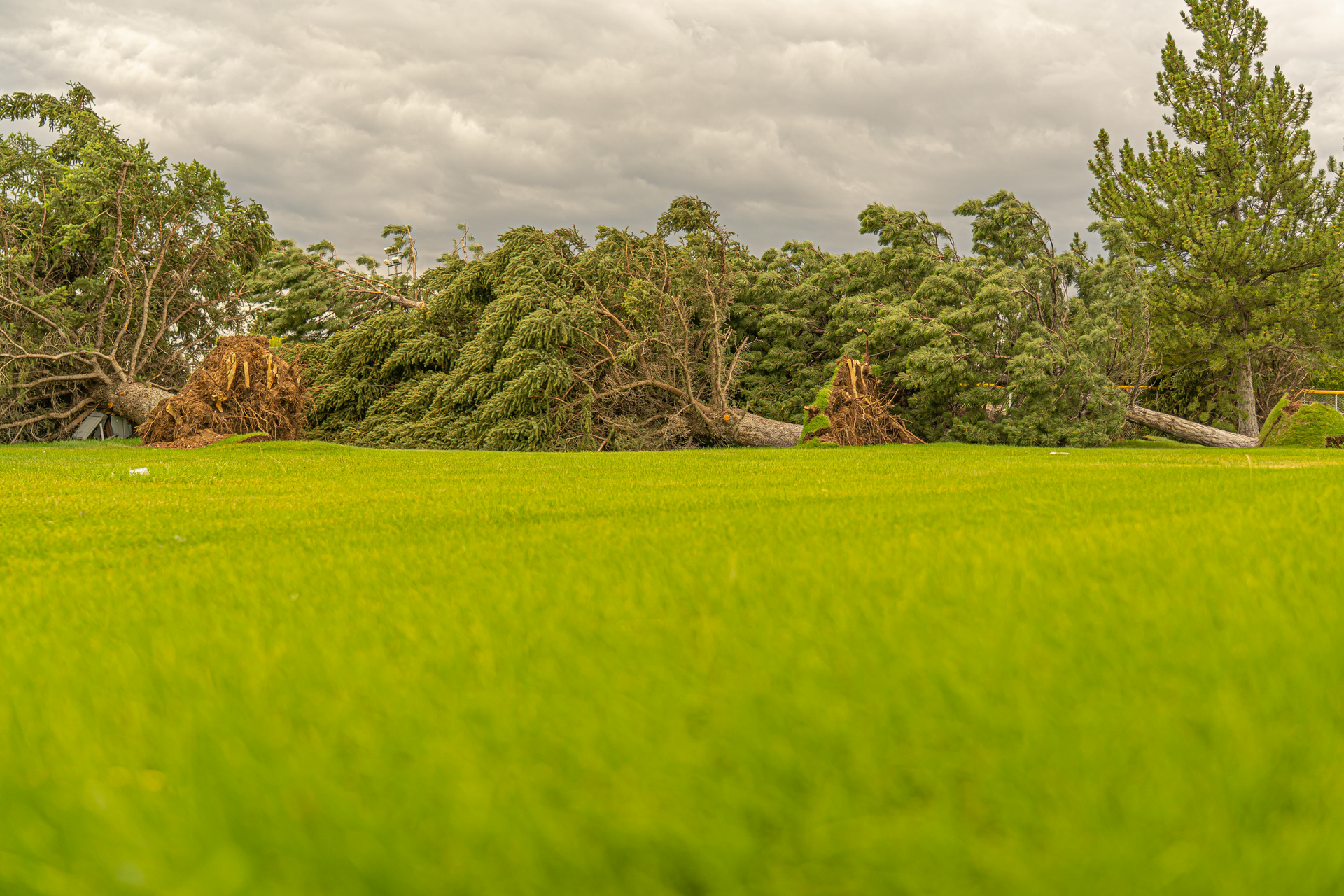
Summer storms and heat create real risks for Central Florida trees. Here's what to watch for and when to call a professional this July.
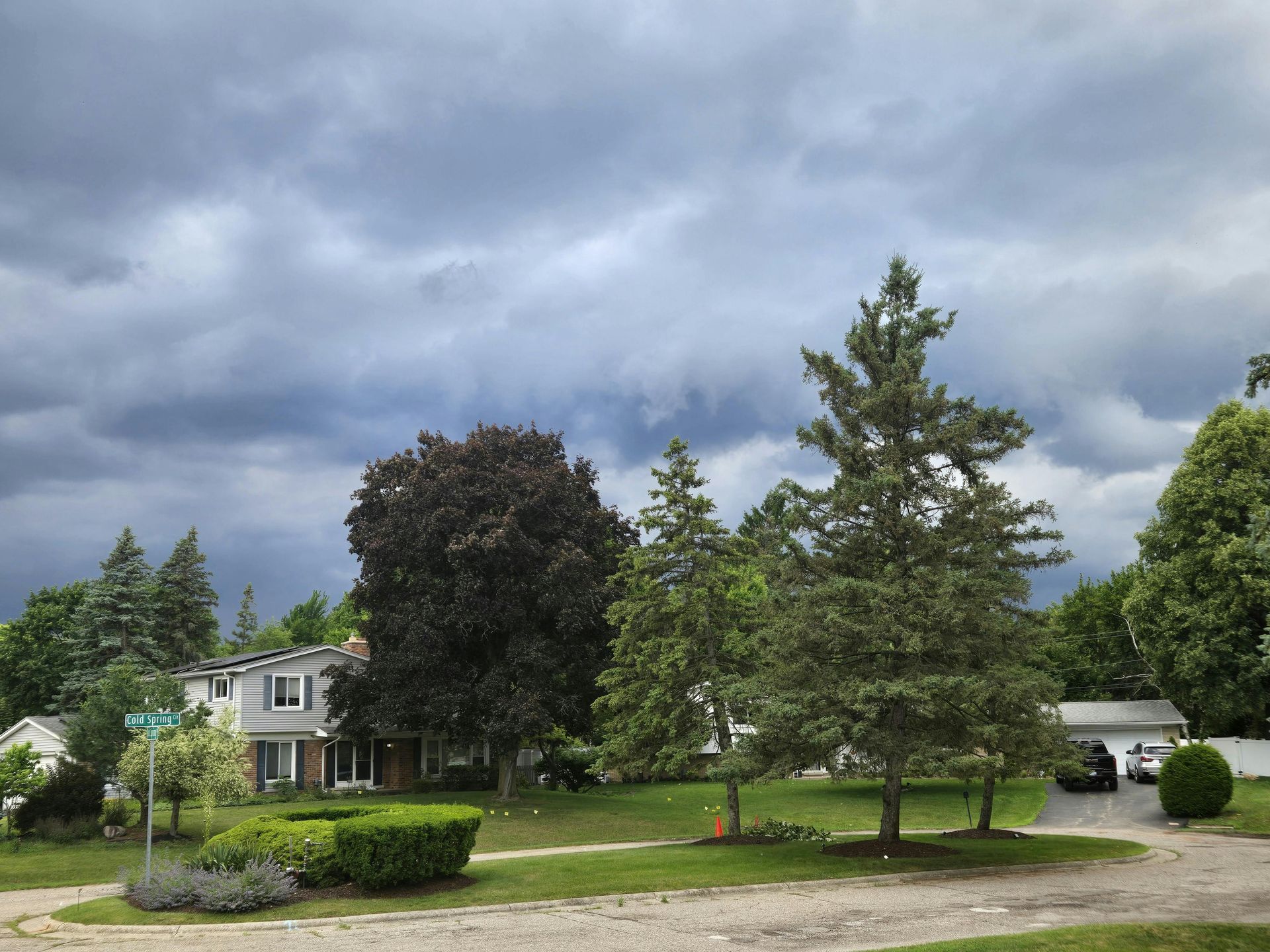
Storm season is here. Use this practical checklist to inspect your trees and prepare your Central Florida property before the next storm.

Palm trimming mistakes are common in Florida. Learn what helps your palms thrive — and what causes long-term damage to avoid.
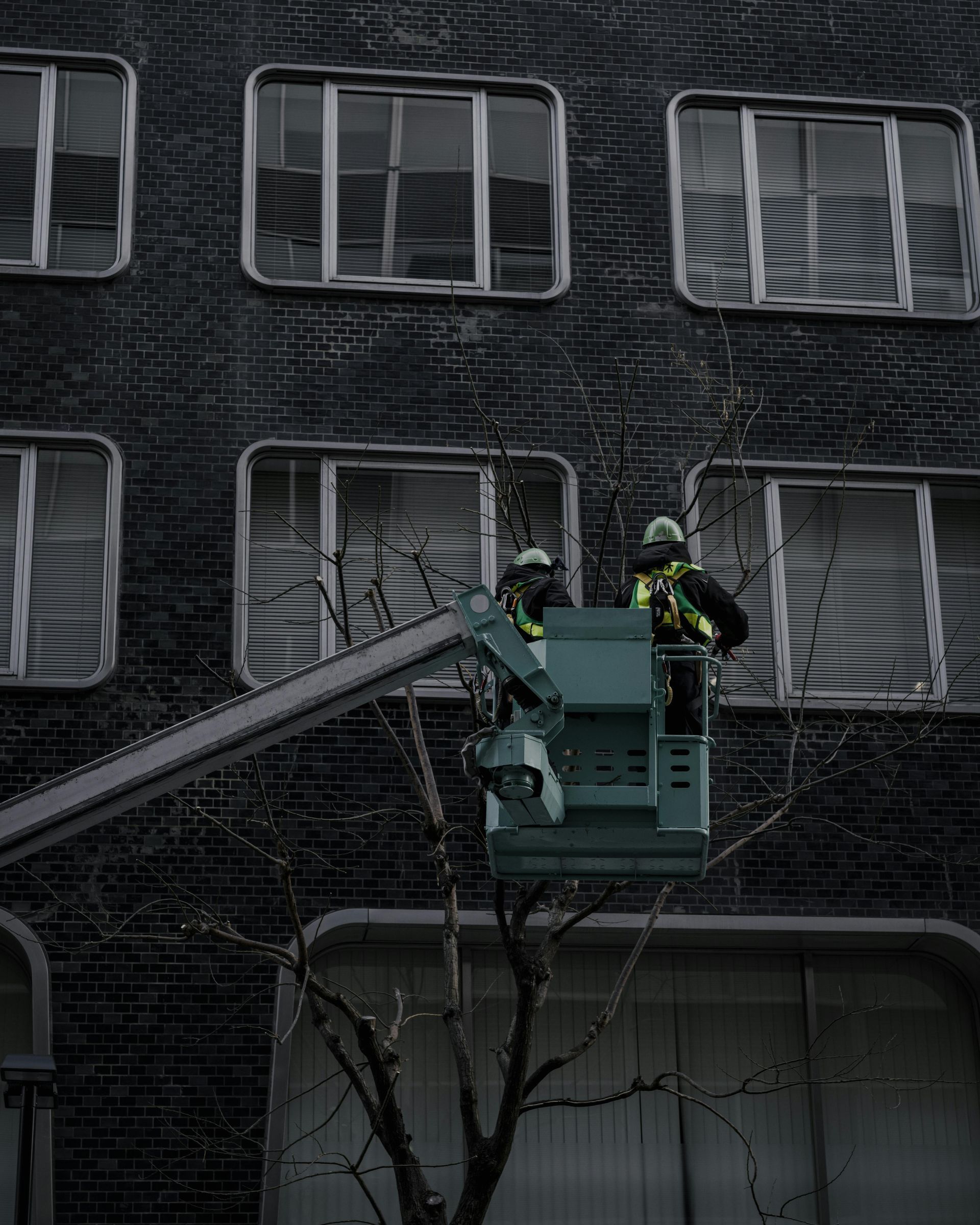
Not all tree companies are equal. Learn what to verify before hiring — licensing, insurance, red flags, and what to expect from a good crew.
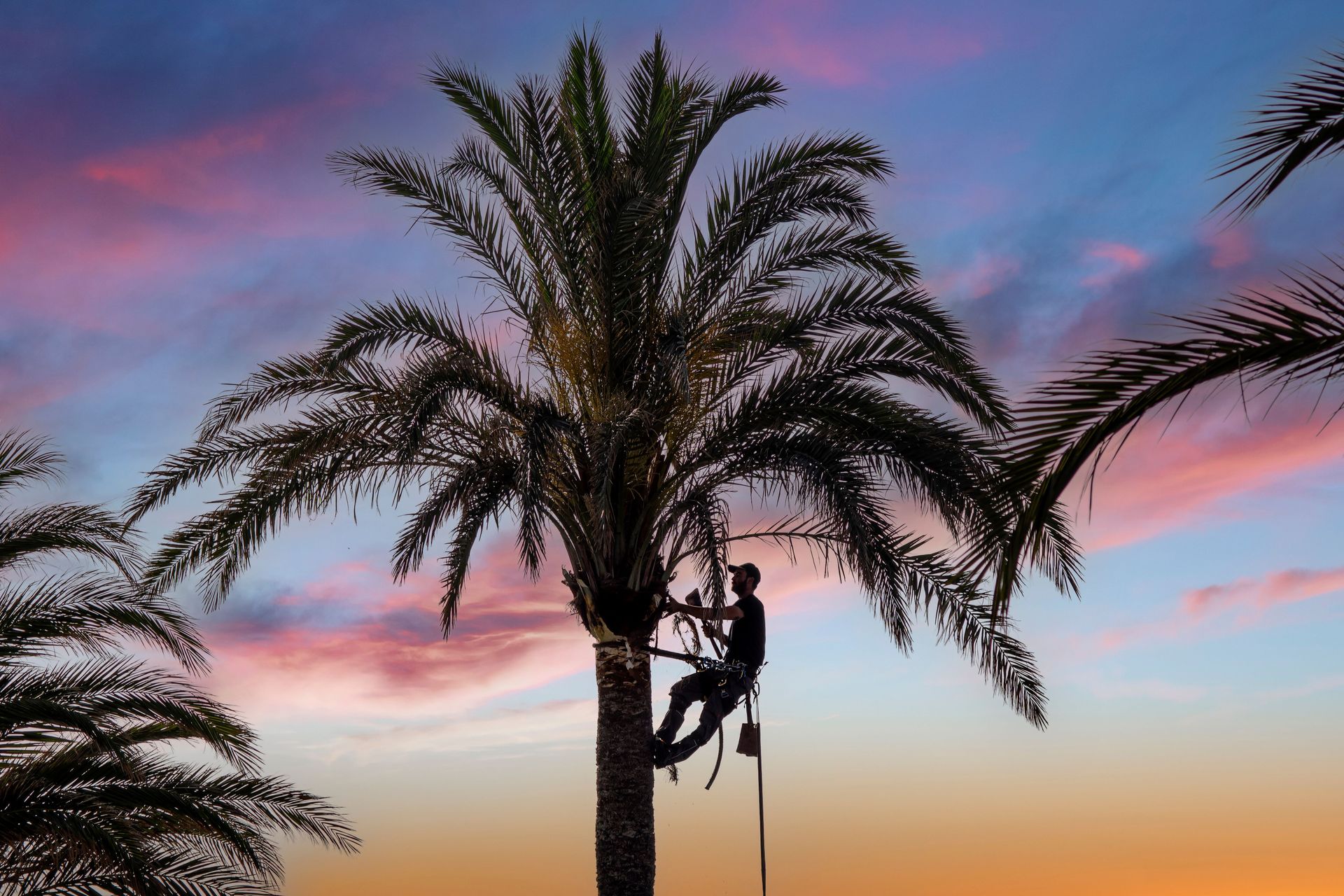
Tree trimming schedules vary by species. Here's how often to trim live oaks, palms, crape myrtles, and fruit trees in Central Florida.
Interested in Our Services?
Get in touch today to discuss your next project and we will happy to answer any questions and provide you with a no-obligation FREE Estimate.
