Fricke's Tree Service
The Role of Bobcat Work in Post-Storm Cleanups and Property Recovery
After a storm, the aftermath can leave properties in disarray, with fallen trees, debris, and damaged structures. In such challenging times, bobcat work plays a crucial role in post-storm cleanups and property recovery. These versatile machines are essential for efficiently clearing debris, restoring landscapes, and ensuring safety for homeowners and businesses alike.
In conclusion, bobcat work is an invaluable asset in the aftermath of a storm. By efficiently clearing debris and restoring properties, these machines help communities recover and rebuild. If you're facing the challenges of post-storm cleanup, consider enlisting the help of professional bobcat services to ensure a swift and safe recovery, allowing you to focus on rebuilding and moving forward.
Understanding Bobcat Work
Bobcats, or compact track loaders, are powerful machines designed for various tasks. Their agility and strength make them ideal for post-storm cleanups. Here are some key features that highlight their importance:- Versatility: Bobcats can be equipped with different attachments, such as buckets, grapples, and forks, allowing them to handle various types of debris, from heavy logs to smaller branches and trash.
- Compact Size: Their smaller footprint enables them to navigate tight spaces, making them perfect for residential areas where access may be limited due to fallen trees or other obstacles.
- Efficiency: Bobcats can quickly move large amounts of debris, significantly speeding up the cleanup process, which is crucial in minimizing further damage to properties.
Benefits of Using Bobcats in Post-Storm Cleanups
Utilizing bobcat work during post-storm cleanups offers numerous advantages that can greatly benefit property owners:- Time-Saving: Bobcats can clear debris much faster than manual labor, allowing for quicker recovery and enabling homeowners to return to their normal lives sooner.
- Safety: Removing hazardous materials with a bobcat reduces the risk of injury to workers and property owners, as these machines can handle heavy and dangerous debris without putting people at risk.
- Cost-Effective: Efficient cleanup can minimize further damage, potentially saving homeowners from costly repairs and insurance claims that could arise from prolonged exposure to debris.
Steps Involved in Bobcat Work for Property Recovery
The process of using bobcats for property recovery typically involves several steps to ensure a thorough and effective cleanup:- Assessment: Evaluate the property to identify hazards and determine the extent of the damage, which helps in planning the cleanup process effectively.
- Debris Removal: Use bobcats to clear fallen trees, branches, and other debris from the property, ensuring that all hazardous materials are safely removed.
- Landscaping Restoration: Regrade and restore the landscape to its original condition, ensuring proper drainage and aesthetics, which is vital for preventing future issues.
- Final Cleanup: Conduct a thorough cleanup to remove any remaining debris and prepare the property for further repairs, ensuring that the area is safe and ready for use.
Choosing the Right Bobcat Service
When selecting a bobcat service for post-storm cleanup, consider the following important factors to ensure you receive quality service:- Experience: Look for companies with a proven track record in storm recovery, as experienced professionals will be better equipped to handle the unique challenges posed by storm damage.
- Equipment: Ensure they use well-maintained, modern bobcats and attachments, as outdated or poorly maintained equipment can lead to inefficiencies and potential safety hazards.
- Insurance: Verify that the service is fully insured to protect against potential damages, providing peace of mind during the cleanup process.
In conclusion, bobcat work is an invaluable asset in the aftermath of a storm. By efficiently clearing debris and restoring properties, these machines help communities recover and rebuild. If you're facing the challenges of post-storm cleanup, consider enlisting the help of professional bobcat services to ensure a swift and safe recovery, allowing you to focus on rebuilding and moving forward.
SHARE POST
RECENT POSTS

The best tree care is consistent and proactive. Here's a summary of the habits that protect your property and prevent costly emergencies.
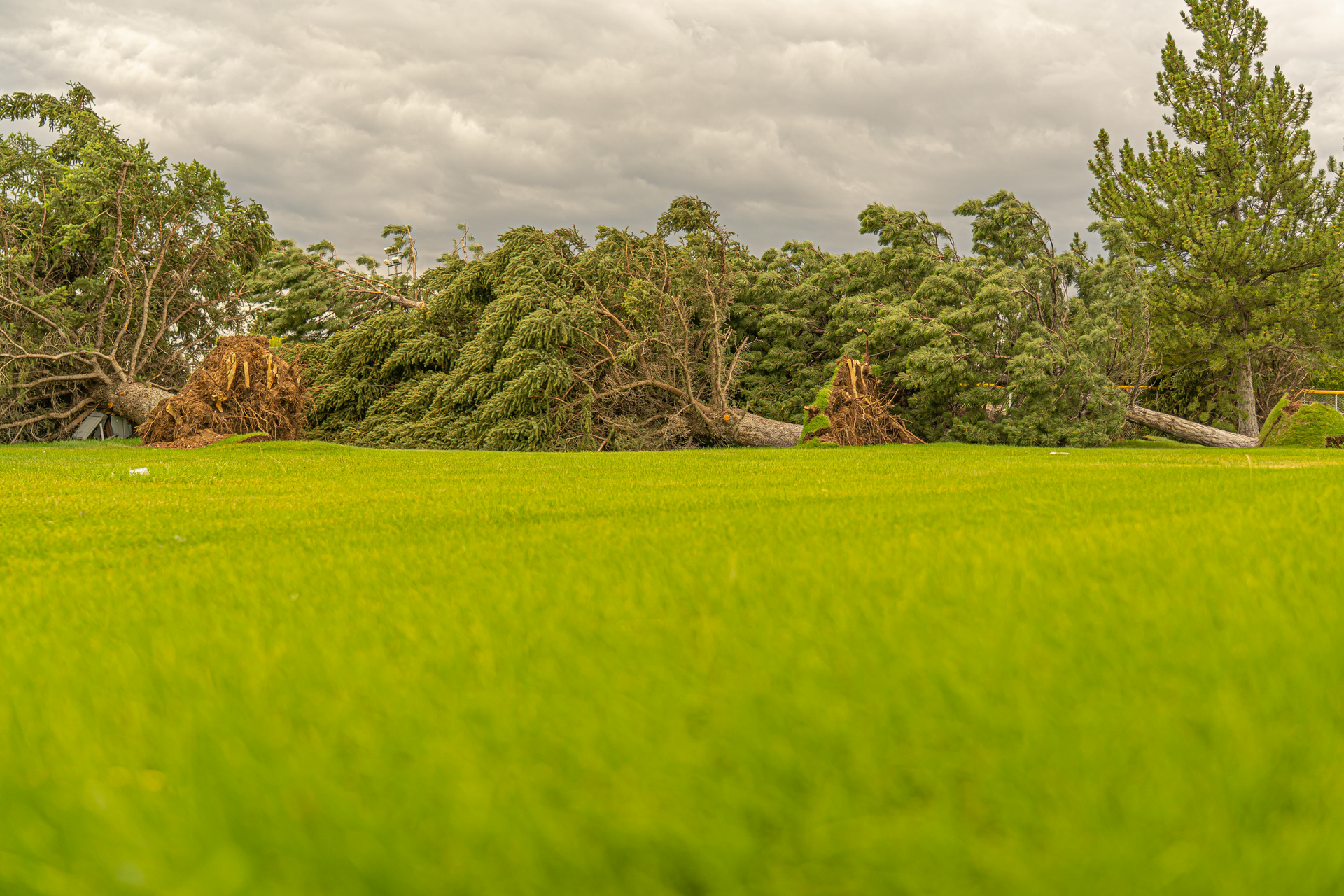
Summer storms and heat create real risks for Central Florida trees. Here's what to watch for and when to call a professional this July.
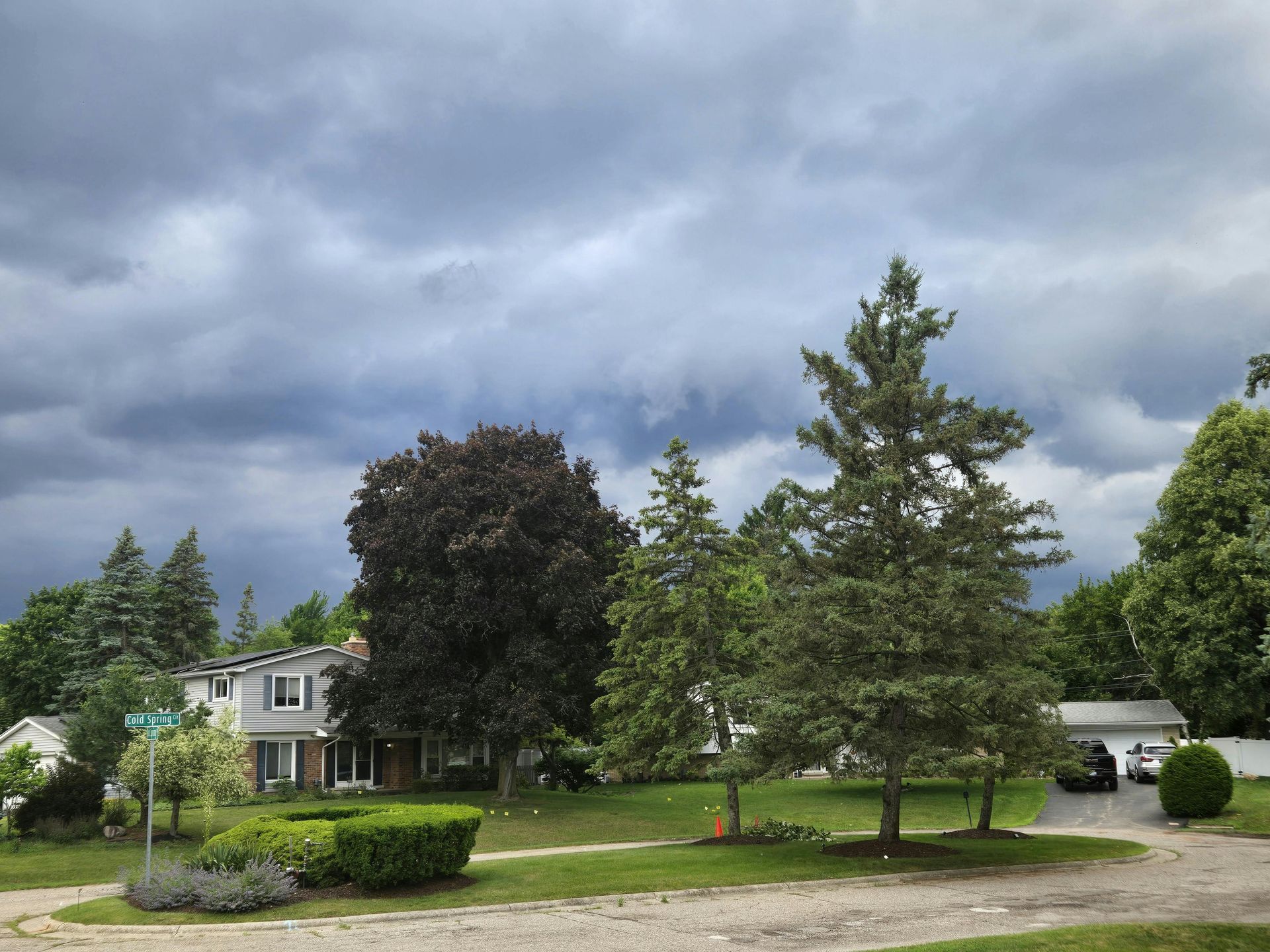
Storm season is here. Use this practical checklist to inspect your trees and prepare your Central Florida property before the next storm.

Palm trimming mistakes are common in Florida. Learn what helps your palms thrive — and what causes long-term damage to avoid.
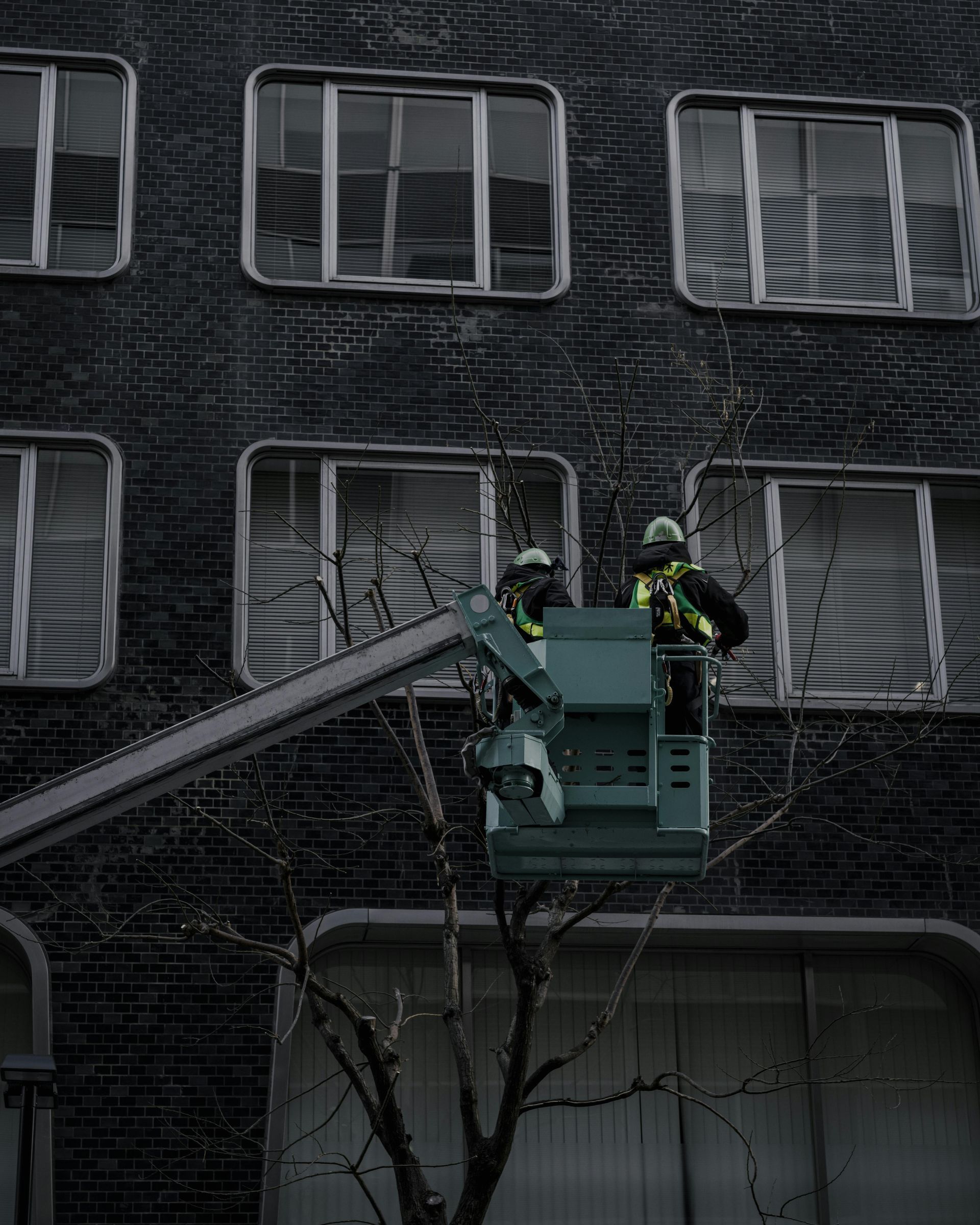
Not all tree companies are equal. Learn what to verify before hiring — licensing, insurance, red flags, and what to expect from a good crew.

Tree trimming schedules vary by species. Here's how often to trim live oaks, palms, crape myrtles, and fruit trees in Central Florida.
Interested in Our Services?
Get in touch today to discuss your next project and we will happy to answer any questions and provide you with a no-obligation FREE Estimate.
