Fricke's Tree Service
Signs Your Orlando Tree Needs to Be Removed
Are you a homeowner in Orlando with trees in your yard? While trees can enhance the beauty of your property, they can also pose risks if they become unhealthy or unstable. Knowing the signs that indicate a tree needs to be removed is crucial for maintaining safety and aesthetics. Here are some key indicators to watch for.
Being proactive about tree health can save you from potential hazards and costly damages. If you notice any of these signs, consider taking action to ensure the safety of your home and loved ones. Regular maintenance and monitoring can help you enjoy the benefits of your trees while minimizing risks.
1. Dead or Dying Branches
If you notice dead or dying branches on your tree, it may be a sign that the tree is unhealthy. Look for the following:- Branches that are brittle and break easily
- Leaves that are sparse or absent
- Fungal growth on the trunk or branches
2. Leaning or Tilting
A tree that is leaning significantly may be at risk of falling. Check for:- Uneven growth patterns
- Soil erosion around the base
- Visible cracks in the ground near the roots
3. Root Damage
Healthy roots are essential for a tree's stability. Signs of root damage include:- Exposed roots due to soil erosion
- Roots that are visibly decayed or rotting
- Increased pest activity around the base
4. Pests and Diseases
Infestations or diseases can severely weaken a tree. Look for:- Insect activity, such as beetles or borers
- Discoloration or unusual growths on the bark
- Signs of decay or rot
5. Proximity to Structures
If your tree is too close to your home or other structures, it may need to be removed. Consider the following:- Branches that overhang roofs or power lines
- Roots that are damaging foundations or sidewalks
- Potential hazards during storms or high winds
6. Seasonal Changes
Observe how your tree responds to seasonal changes. Signs to watch for include:- Leaves that do not bloom in spring
- Early leaf drop in the fall
- Unusual color changes in leaves
7. Professional Assessment
If you're unsure about the health of your tree, it's always best to consult with a professional arborist. They can provide:- A thorough evaluation of the tree's condition
- Recommendations for treatment or removal
- Advice on maintaining other trees on your property
Being proactive about tree health can save you from potential hazards and costly damages. If you notice any of these signs, consider taking action to ensure the safety of your home and loved ones. Regular maintenance and monitoring can help you enjoy the benefits of your trees while minimizing risks.
SHARE POST
RECENT POSTS
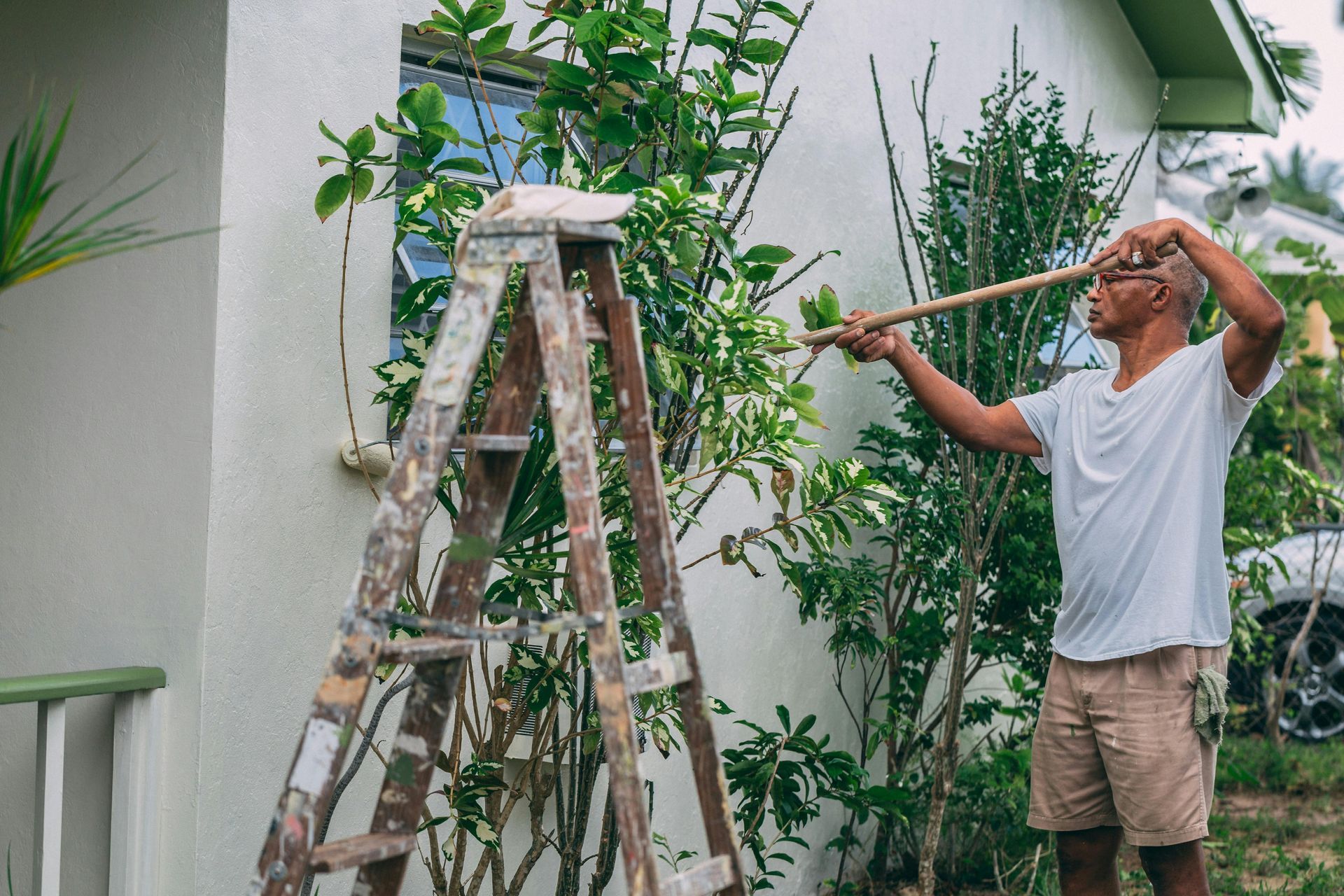
The best tree care is consistent and proactive. Here's a summary of the habits that protect your property and prevent costly emergencies.
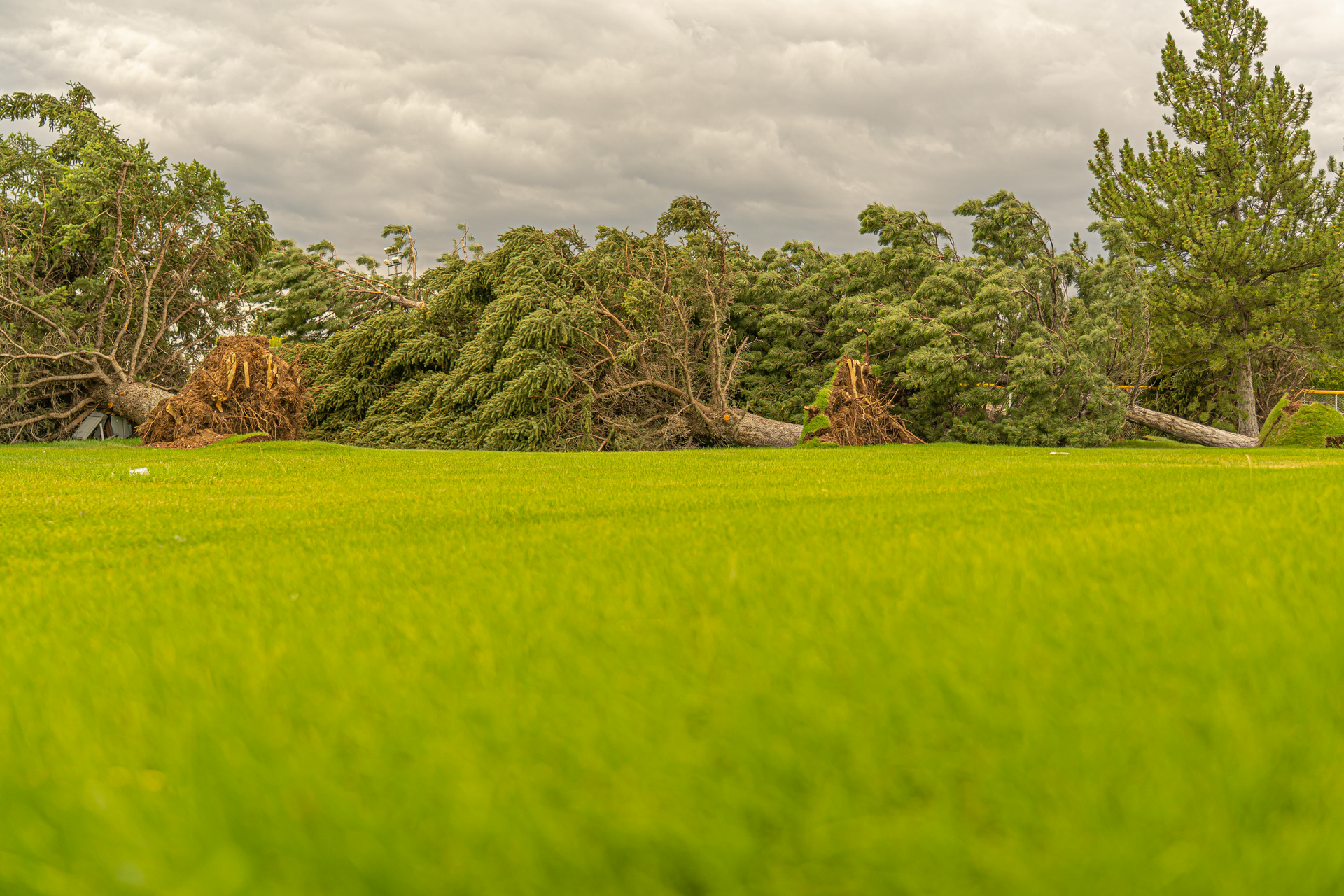
Summer storms and heat create real risks for Central Florida trees. Here's what to watch for and when to call a professional this July.
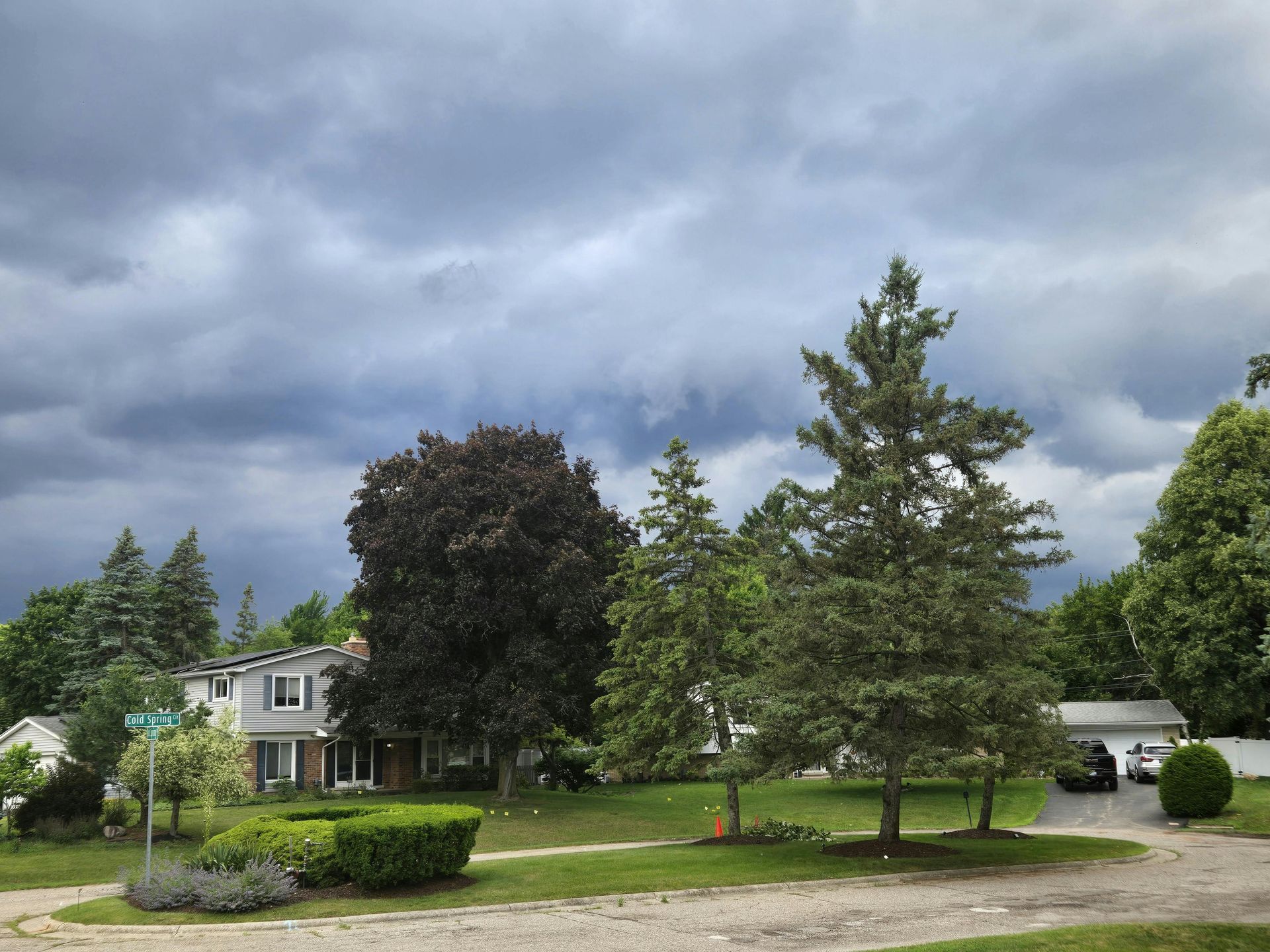
Storm season is here. Use this practical checklist to inspect your trees and prepare your Central Florida property before the next storm.
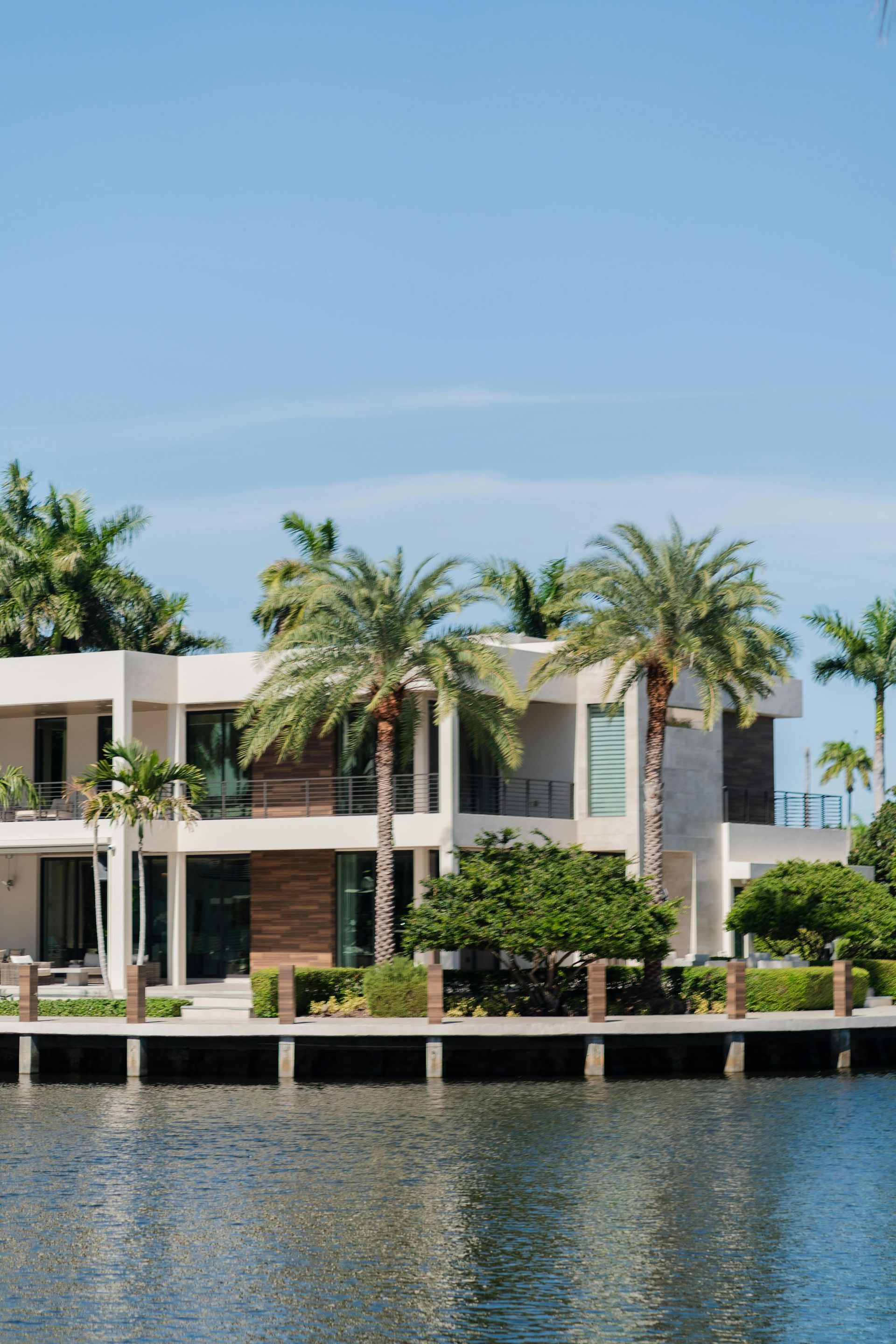
Palm trimming mistakes are common in Florida. Learn what helps your palms thrive — and what causes long-term damage to avoid.
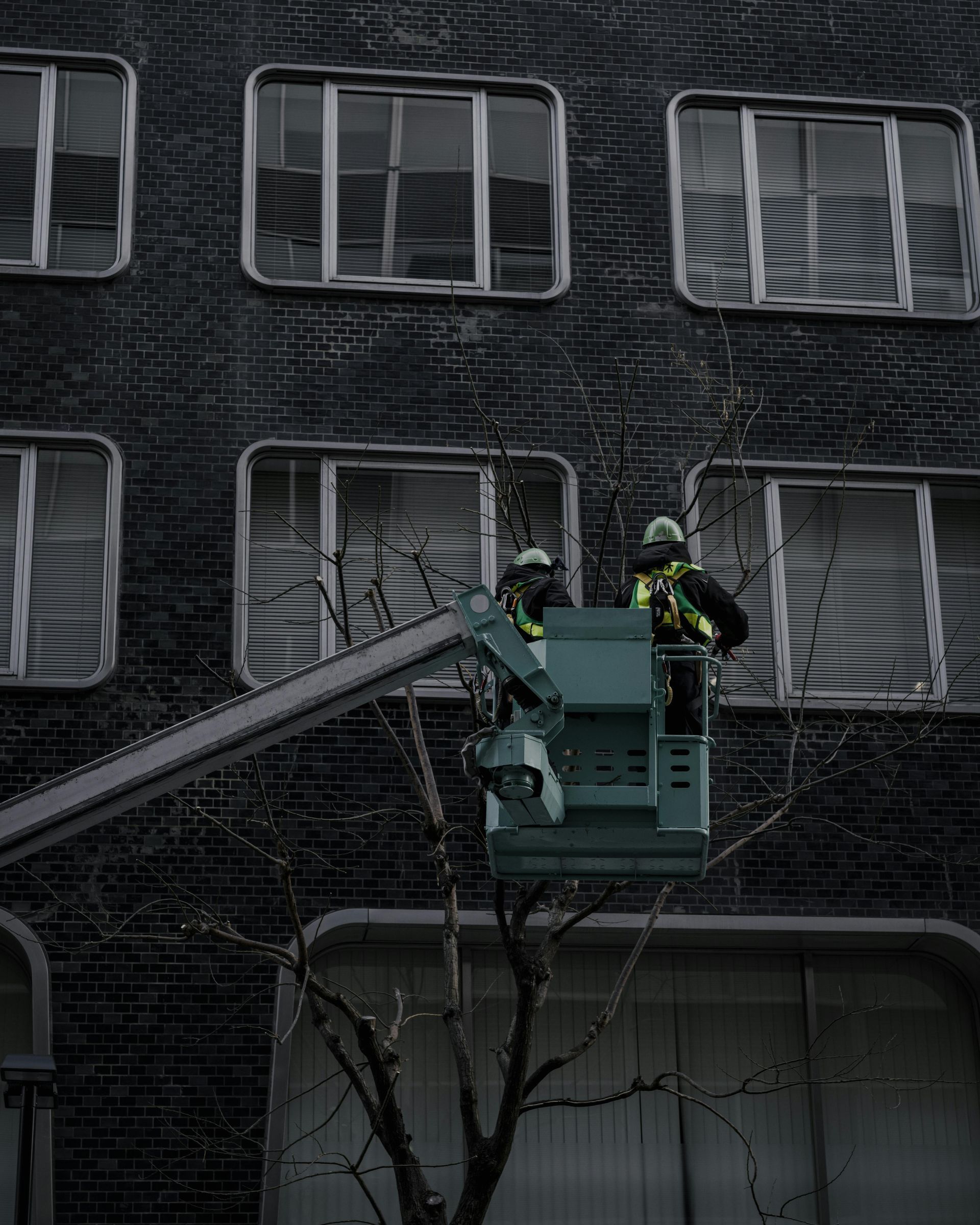
Not all tree companies are equal. Learn what to verify before hiring — licensing, insurance, red flags, and what to expect from a good crew.
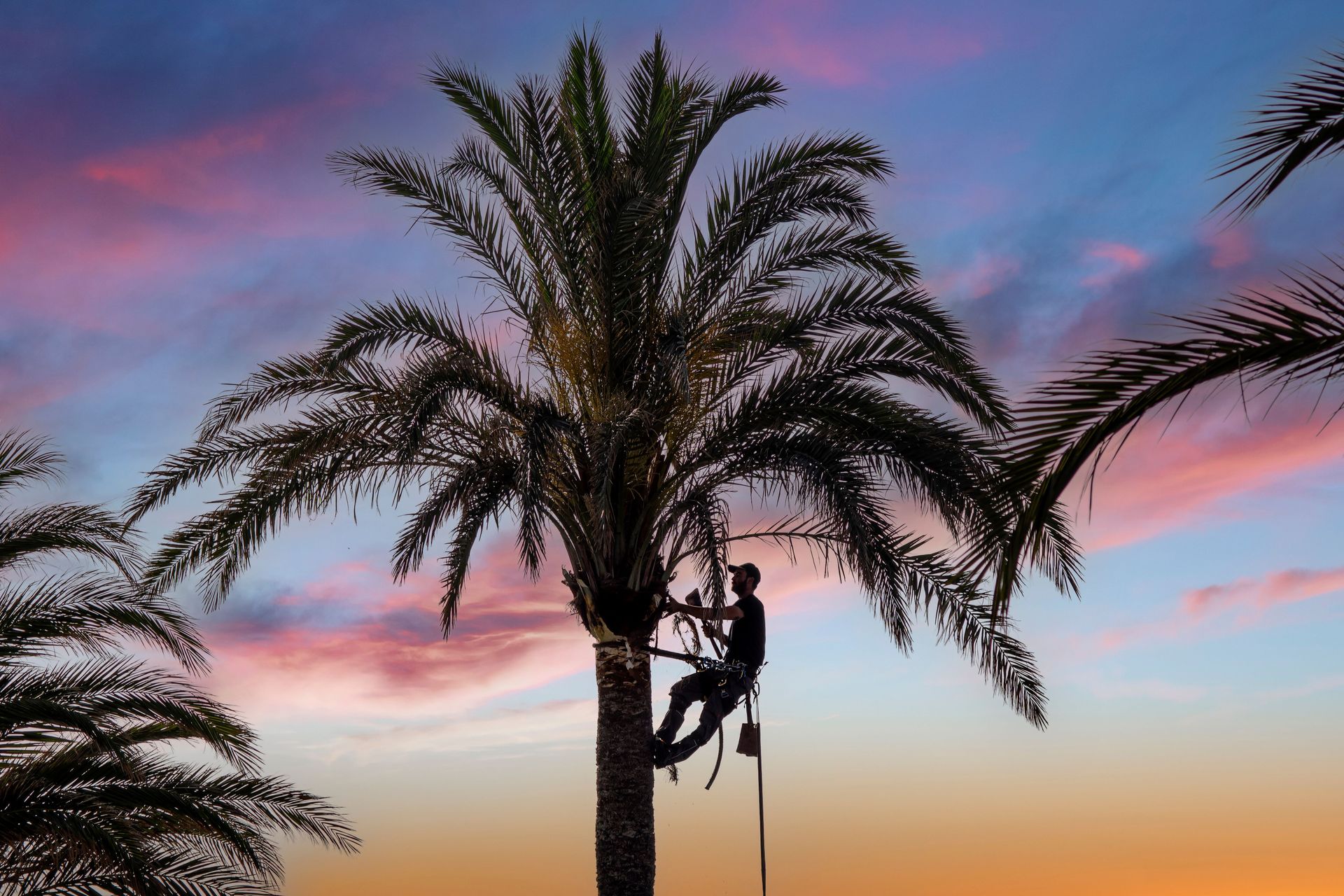
Tree trimming schedules vary by species. Here's how often to trim live oaks, palms, crape myrtles, and fruit trees in Central Florida.
Interested in Our Services?
Get in touch today to discuss your next project and we will happy to answer any questions and provide you with a no-obligation FREE Estimate.
