Fricke's Tree Service
Palm Tree Trimming in Orlando: Best Practices for Healthy Growth
Palm trees are a stunning addition to any landscape, especially in sunny Orlando, where their tropical vibe enhances the beauty of homes and businesses alike. These majestic trees not only provide shade and aesthetic appeal but also contribute to the overall ambiance of the area. However, to maintain their health and aesthetic appeal, proper trimming is essential. In this post, we will explore the best practices for palm tree trimming in Orlando, ensuring your palms thrive and remain a focal point of your outdoor space.
Understanding Palm Tree Growth
Before diving into trimming techniques, it’s crucial to understand how palm trees grow. Unlike other trees, palms have a unique growth pattern that requires specific care. Here are some key points to consider:- Growth Habit: Palm trees grow from the top, meaning that the trunk does not thicken over time. This makes the crown and fronds the primary focus for maintenance. Understanding this growth habit is essential for effective trimming.
- Frond Lifespan: Fronds have a natural lifespan and will eventually die off. Knowing when to trim these fronds is vital for the tree's health. Regular monitoring can help you identify which fronds need attention.
- Species Variation: Different species of palm trees have varying needs. For instance, the Queen Palm and the Royal Palm require different trimming techniques. Familiarizing yourself with the specific species you have will help you provide the best care.
When to Trim Palm Trees
Timing is everything when it comes to palm tree trimming. Here are some guidelines to help you determine the best time:- Seasonal Considerations: The best time to trim palm trees in Orlando is during the late winter or early spring. This timing allows the tree to recover before the growing season. Trimming at this time can promote healthy growth and vibrant fronds.
- Avoiding Cold Weather: Trimming during colder months can stress the tree. Wait until the risk of frost has passed to ensure the tree is not under additional stress.
- Health Monitoring: Regularly check your palms for dead or dying fronds. If you notice any, it’s best to remove them promptly, regardless of the season. This proactive approach can prevent further issues.
Tools Needed for Trimming
Having the right tools is essential for effective palm tree trimming. Here’s a list of must-have equipment:- Pruning Shears: Ideal for cutting smaller fronds and leaves. These are essential for detailed work and precision trimming.
- Loppers: Useful for thicker fronds that require more force to cut. They provide the leverage needed for larger cuts without straining your hands.
- Chainsaw: Necessary for larger palms or when removing entire fronds. This tool is powerful and should be used with caution.
- Safety Gear: Always wear gloves, goggles, and a hard hat to protect yourself while trimming. Safety should always be your top priority to prevent accidents.
Best Practices for Trimming Palm Trees
Now that you have the right tools and know when to trim, let’s discuss the best practices for trimming palm trees:1. Assess the Tree
Before you start trimming, take a moment to assess the health of the palm tree. Look for:- Signs of disease or pests, which can affect the overall health of the tree.
- Dead or yellowing fronds that need to be removed to promote new growth.
- Overall shape and structure to ensure you maintain the tree's natural beauty.
2. Trim Dead Fronds
Start by removing any dead or dying fronds. This not only improves the tree's appearance but also prevents pests and diseases:- Cut fronds at the base, close to the trunk, to ensure a clean cut.
- Avoid cutting green fronds unless absolutely necessary, as they are vital for the tree's health.
3. Maintain the Crown
The crown of the palm is its most vital part. Here’s how to maintain it:- Only trim fronds that are below the horizontal line of the crown to preserve the tree's natural shape.
- Do not remove more than 30% of the fronds at one time to avoid stressing the tree. This helps maintain its health and vigor.
4. Clean Up
After trimming, clean up the area to prevent pests and diseases:- Dispose of cut fronds properly to avoid attracting unwanted pests.
- Consider composting healthy fronds if they are free from disease, as this can enrich your garden soil.
Common Mistakes to Avoid
Even experienced gardeners can make mistakes when trimming palm trees. Here are some common pitfalls to avoid:- Over-Trimming: Removing too many fronds can weaken the tree and hinder its growth. Always be conservative with your cuts.
- Ignoring Safety: Always prioritize safety by using the right equipment and protective gear. Accidents can happen quickly, so stay vigilant.
- Neglecting Tree Health: Regularly monitor your palms for signs of stress or disease. Early detection can save your tree from serious issues.
Hiring a Professional vs. DIY
While some homeowners may choose to trim their palm trees themselves, hiring a professional can often be the best choice. Here are some factors to consider:- Experience: Professionals have the knowledge and experience to trim trees safely and effectively. They understand the nuances of different species and their specific needs.
- Equipment: They have access to specialized tools that may not be available to the average homeowner, ensuring a more efficient and safer trimming process.
- Time-Saving: Hiring a professional can save you time and effort, allowing you to focus on other landscaping tasks or simply enjoy your outdoor space.
Conclusion
Proper palm tree trimming is essential for maintaining the health and beauty of your landscape in Orlando. By following these best practices, you can ensure your palm trees thrive and continue to enhance your outdoor space. Whether you choose to tackle the job yourself or hire a professional, understanding the needs of your palm trees will lead to a lush, vibrant environment. Remember, a well-maintained palm tree not only adds beauty to your property but also contributes to the overall health of your landscape.SHARE POST
RECENT POSTS
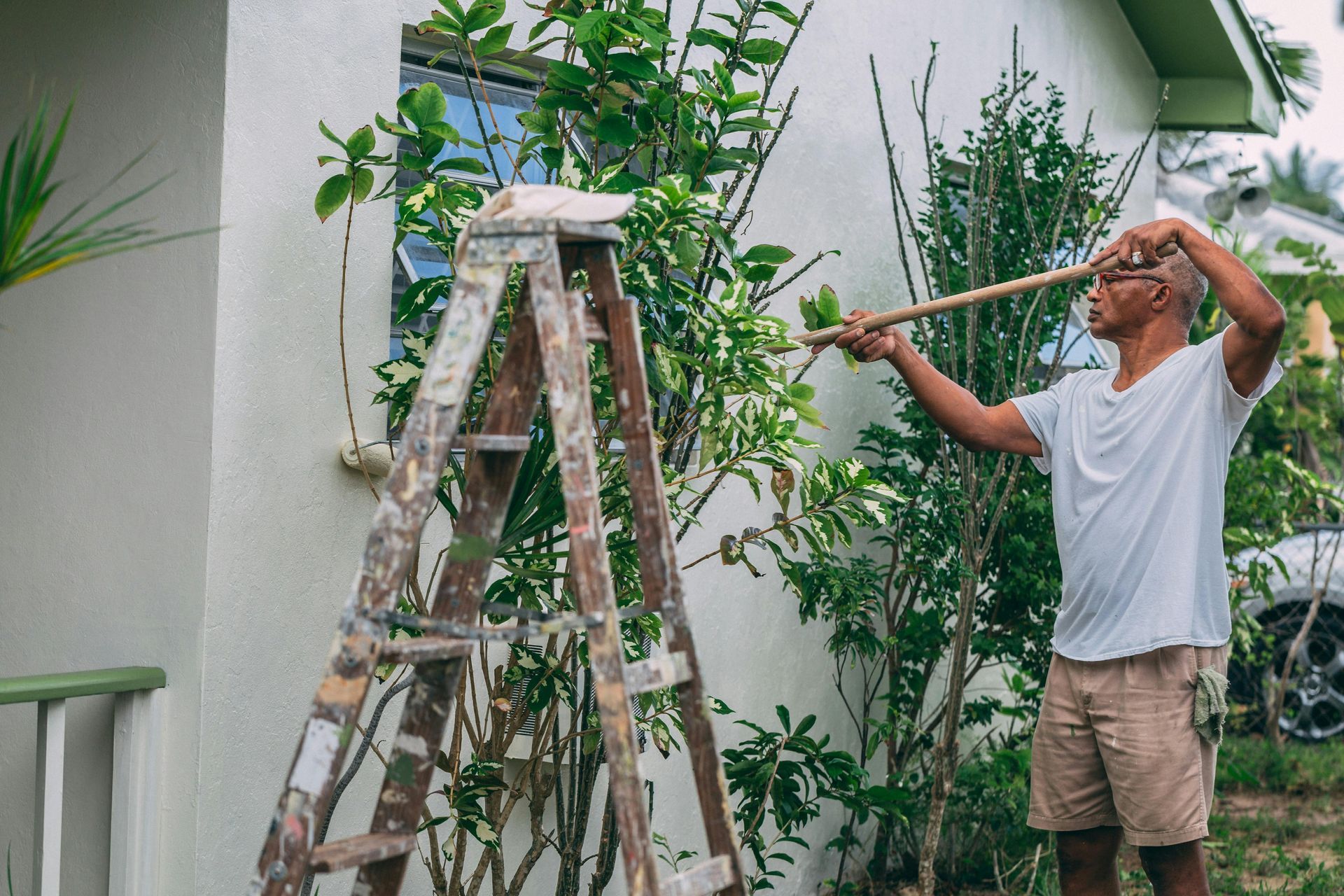
The best tree care is consistent and proactive. Here's a summary of the habits that protect your property and prevent costly emergencies.
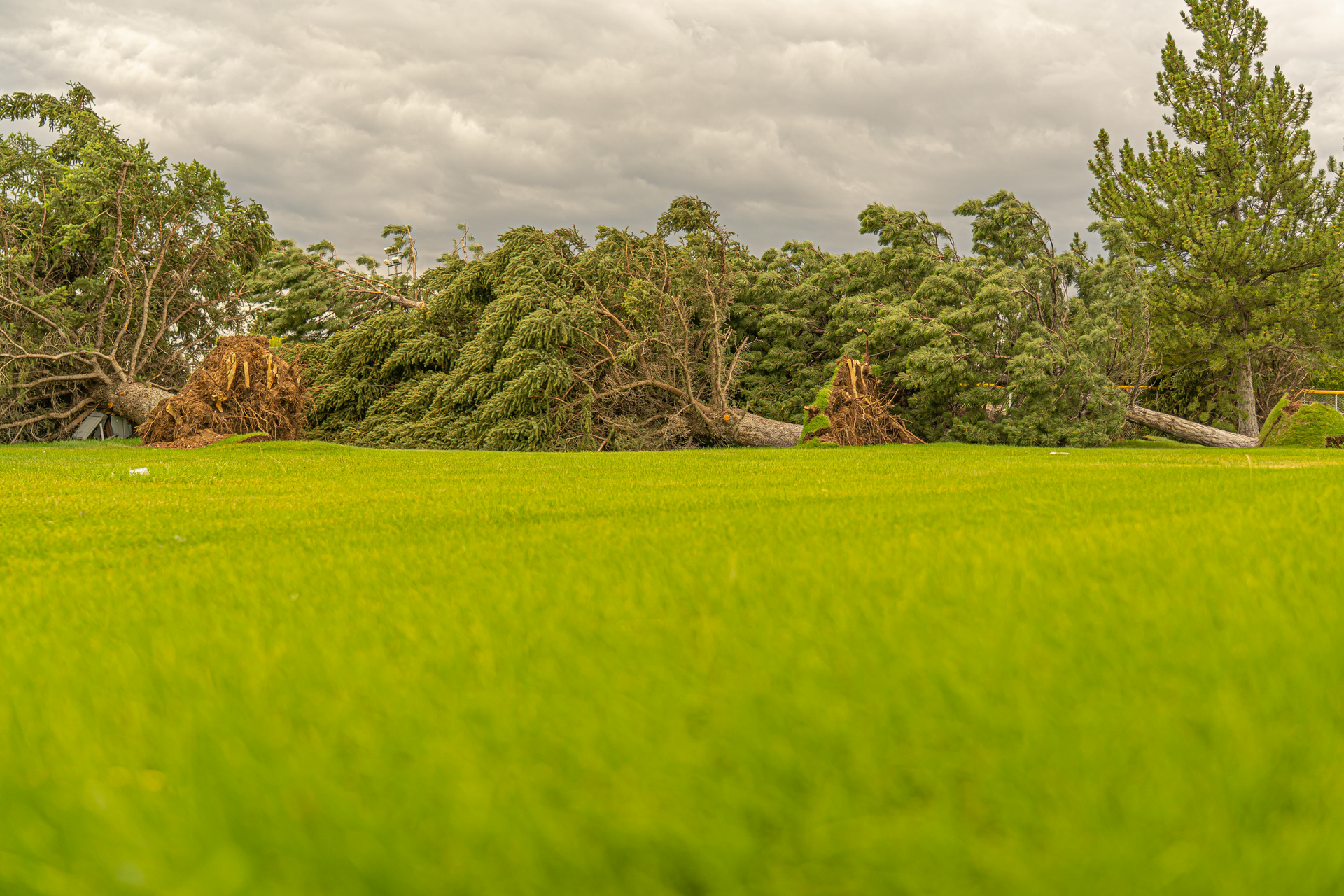
Summer storms and heat create real risks for Central Florida trees. Here's what to watch for and when to call a professional this July.
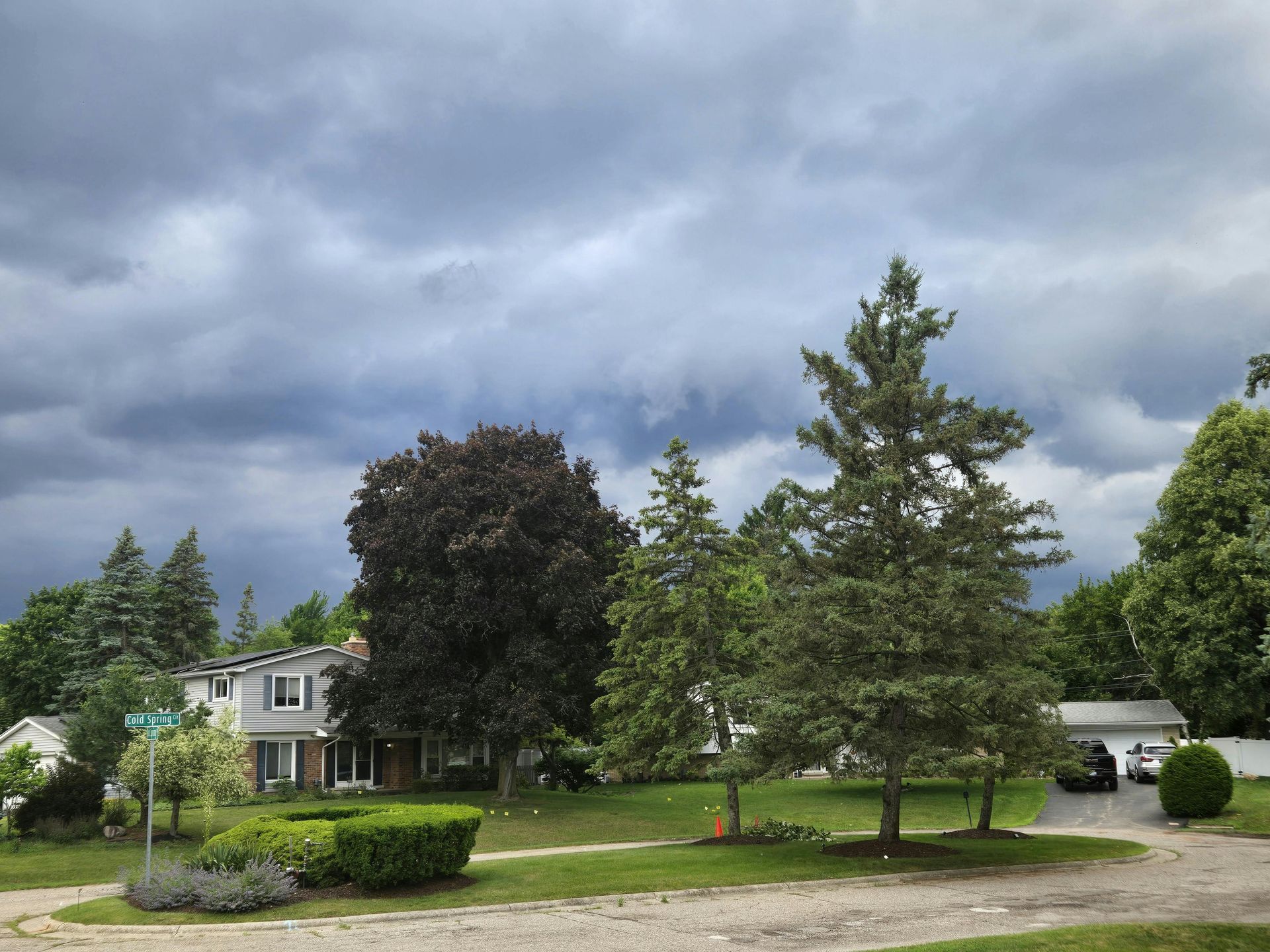
Storm season is here. Use this practical checklist to inspect your trees and prepare your Central Florida property before the next storm.

Palm trimming mistakes are common in Florida. Learn what helps your palms thrive — and what causes long-term damage to avoid.
Not all tree companies are equal. Learn what to verify before hiring — licensing, insurance, red flags, and what to expect from a good crew.
Tree trimming schedules vary by species. Here's how often to trim live oaks, palms, crape myrtles, and fruit trees in Central Florida.
Interested in Our Services?
Get in touch today to discuss your next project and we will happy to answer any questions and provide you with a no-obligation FREE Estimate.
