Fricke's Tree Service
Knowing When to Remove a Tree Safely
When Tree Removal Is the Only Option (And How to Do It Right)
Understanding Tree Removal
Tree removal can be a daunting decision for any property owner. While trees provide numerous benefits, such as shade, beauty, and improved air quality, there are circumstances where their removal becomes necessary. This blog post will explore when tree removal is the only option and how to approach it responsibly and safely, ensuring that you make informed choices that prioritize both safety and environmental considerations.When Is Tree Removal Necessary?
There are several scenarios where tree removal is not just advisable but essential for the safety and health of your property and its surroundings. Here are some key situations that warrant serious consideration:- Tree Health Issues: Trees suffering from diseases, infestations, or severe decay may pose risks to surrounding vegetation and structures. If a tree is infected, it can spread diseases to other plants, leading to a larger problem.
- Structural Damage: Trees that have sustained significant damage from storms, pests, or other environmental factors may become unstable and pose a danger to nearby structures and individuals.
- Safety Hazards: Trees that are leaning dangerously, have dead branches, or are otherwise compromised can threaten people and property, especially during high winds or storms.
- Space Constraints: In some cases, trees may outgrow their space, interfering with buildings, power lines, or other structures, leading to potential hazards and costly repairs.
- Land Development: When planning for new construction, landscaping, or other development projects, tree removal may be necessary to clear the area and make way for new growth and structures.
Assessing the Situation
Before deciding to remove a tree, it’s crucial to assess the situation thoroughly. Here are some steps to consider to ensure that you are making the right decision:- Inspect the Tree: Look for signs of disease, damage, or decay. A professional arborist can provide a detailed assessment and help you understand the tree's condition and potential risks.
- Evaluate Surroundings: Consider the tree's proximity to structures, power lines, and other trees. Understanding the layout of your property can help you make a more informed decision.
- Check Local Regulations: Some areas have laws protecting certain trees, especially if they are native species or have historical significance. Ensure compliance with local regulations before proceeding with any removal plans.
How to Remove a Tree Safely
Once you’ve determined that tree removal is necessary, it’s essential to do it safely to avoid accidents and injuries. Here’s a step-by-step guide to help you through the process:1. Gather Necessary Tools
Ensure you have the right tools for the job, including:- Chainsaw
- Safety goggles
- Hard hat
- Gloves
- Rope
- First aid kit
2. Prepare the Area
Clear the area around the tree of any obstacles, including furniture, vehicles, and other debris. Ensure that there is a clear path for the tree to fall and that no people or pets are nearby to avoid any potential accidents.3. Plan the Direction of Fall
Decide the direction in which you want the tree to fall. This should be away from structures, power lines, and other trees. Mark the area if necessary to ensure everyone involved is aware of the plan.4. Make the Cuts
Follow these cutting techniques to ensure a controlled and safe removal:- Notch Cut: Make a notch cut on the side of the tree facing the direction you want it to fall. This cut should be about one-third of the way through the tree.
- Back Cut: Make a back cut on the opposite side, slightly above the bottom of the notch cut. This will create a hinge that helps guide the tree as it falls.
5. Retreat Safely
As the tree begins to fall, move away quickly at a 45-degree angle from the direction of the fall. Always have an escape route planned in advance to ensure your safety during the removal process.Post-Removal Considerations
After the tree has been removed, there are several important steps to take to ensure the area is safe and ready for future use:1. Stump Removal
Decide whether to remove the stump or leave it in place. Stump removal can be done through grinding or chemical methods, depending on your preferences and the landscape design you envision.2. Clean Up
Clear the area of debris, branches, and wood chips. This will help maintain a safe and tidy environment, preventing hazards and allowing for easier future landscaping or construction.3. Replanting
Consider replanting a new tree in the same area. Choose a species that is suitable for your environment and space, ensuring that it will thrive and contribute positively to your landscape.Hiring a Professional Tree Removal Service
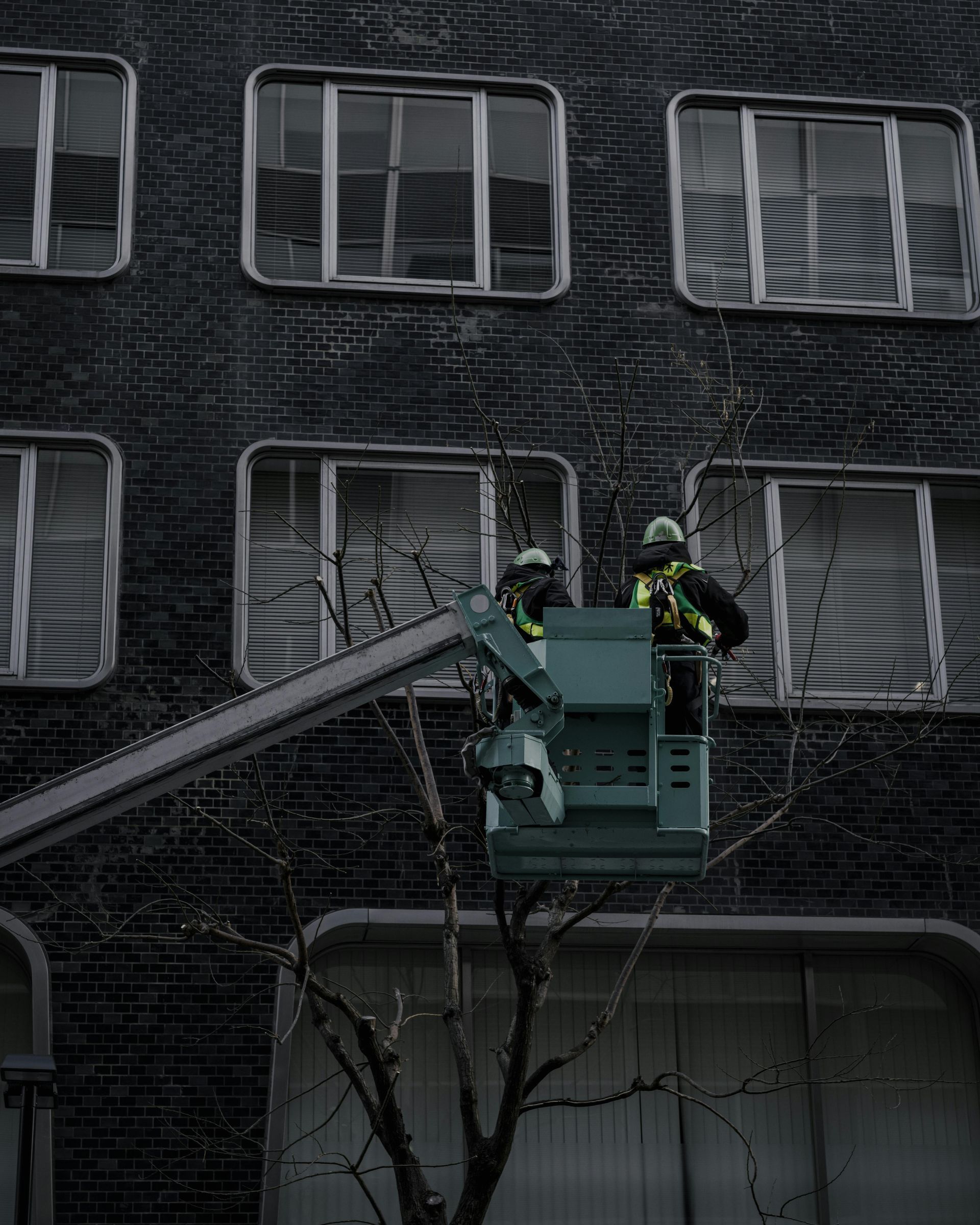
While some may attempt DIY tree removal, hiring a professional service is often the best choice for safety and efficiency. Here’s why:- Expertise: Professionals have the training and experience to handle tree removal safely, minimizing risks to themselves and others.
- Equipment: They possess specialized equipment that makes the job easier and safer, ensuring that the tree is removed without causing damage to surrounding areas.
- Insurance: Professional services are typically insured, protecting you from liability in case of accidents or damage during the removal process.
Conclusion
Tree removal is a significant decision that should not be taken lightly. By understanding when it’s necessary and how to do it safely, you can protect your property and ensure the safety of those around you. If you find yourself in need of tree removal services, don’t hesitate to reach out for a consultation. A professional can help guide you through the process and ensure that everything is handled correctly. Contact us today for an estimate!SHARE POST
RECENT POSTS
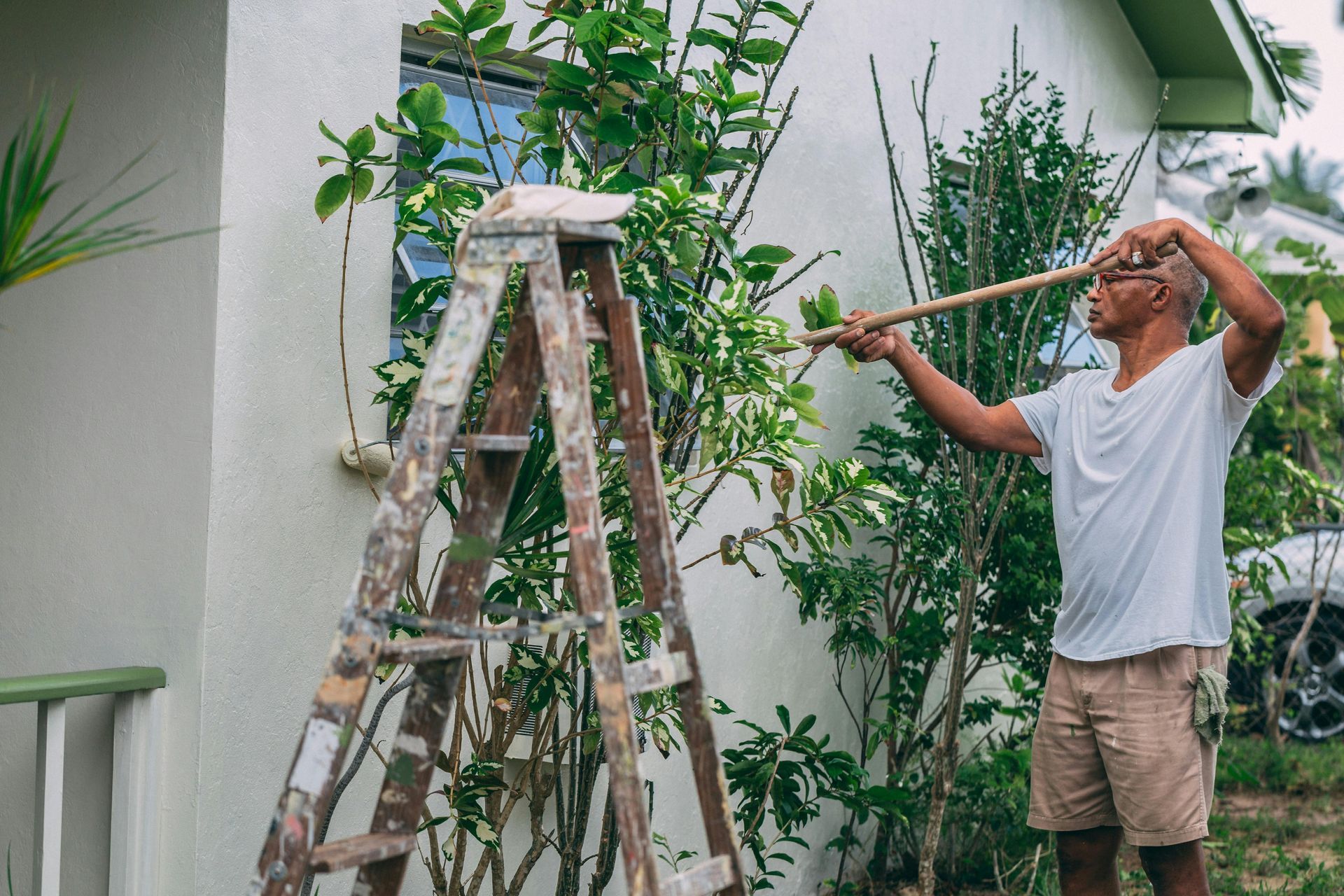
The best tree care is consistent and proactive. Here's a summary of the habits that protect your property and prevent costly emergencies.
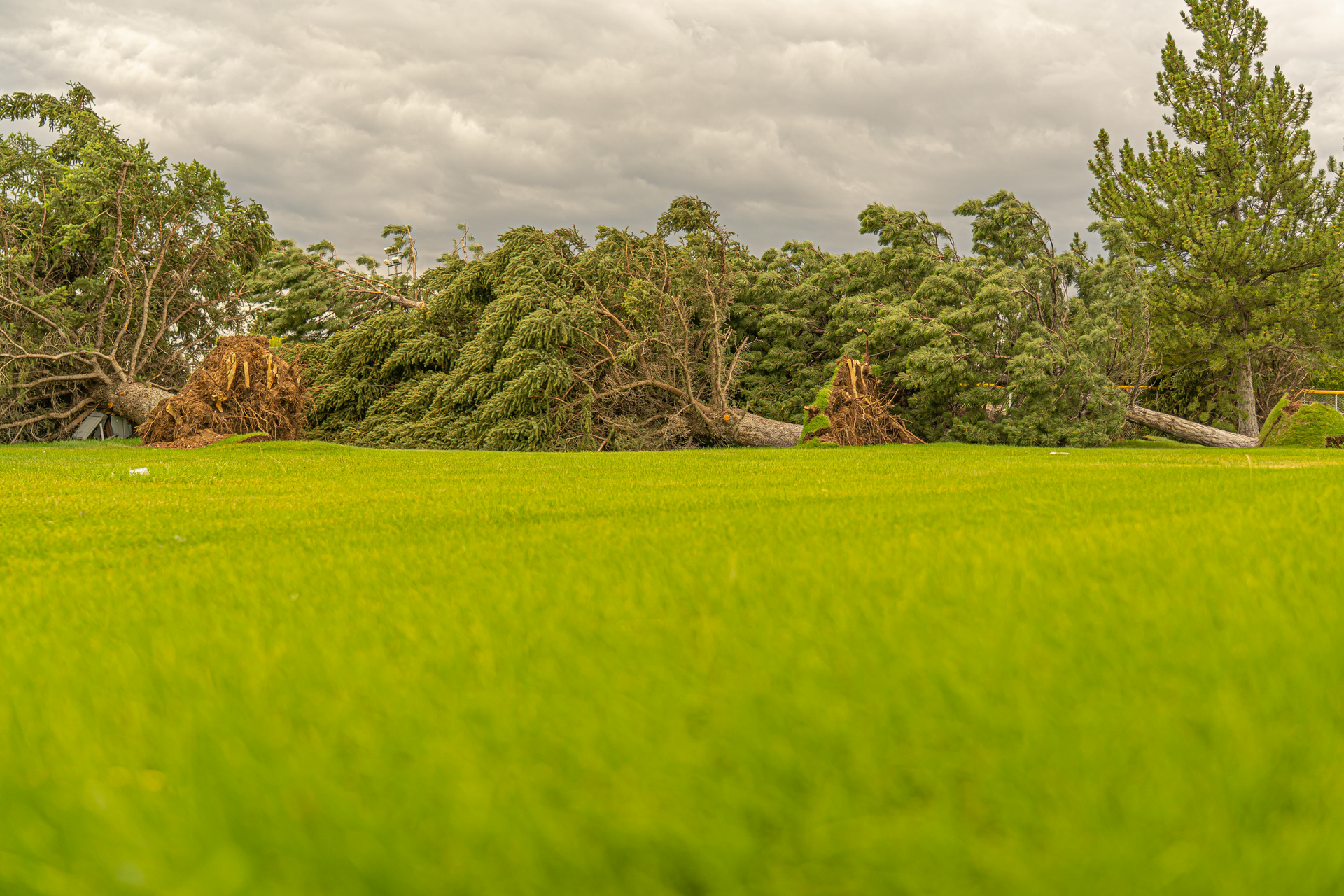
Summer storms and heat create real risks for Central Florida trees. Here's what to watch for and when to call a professional this July.
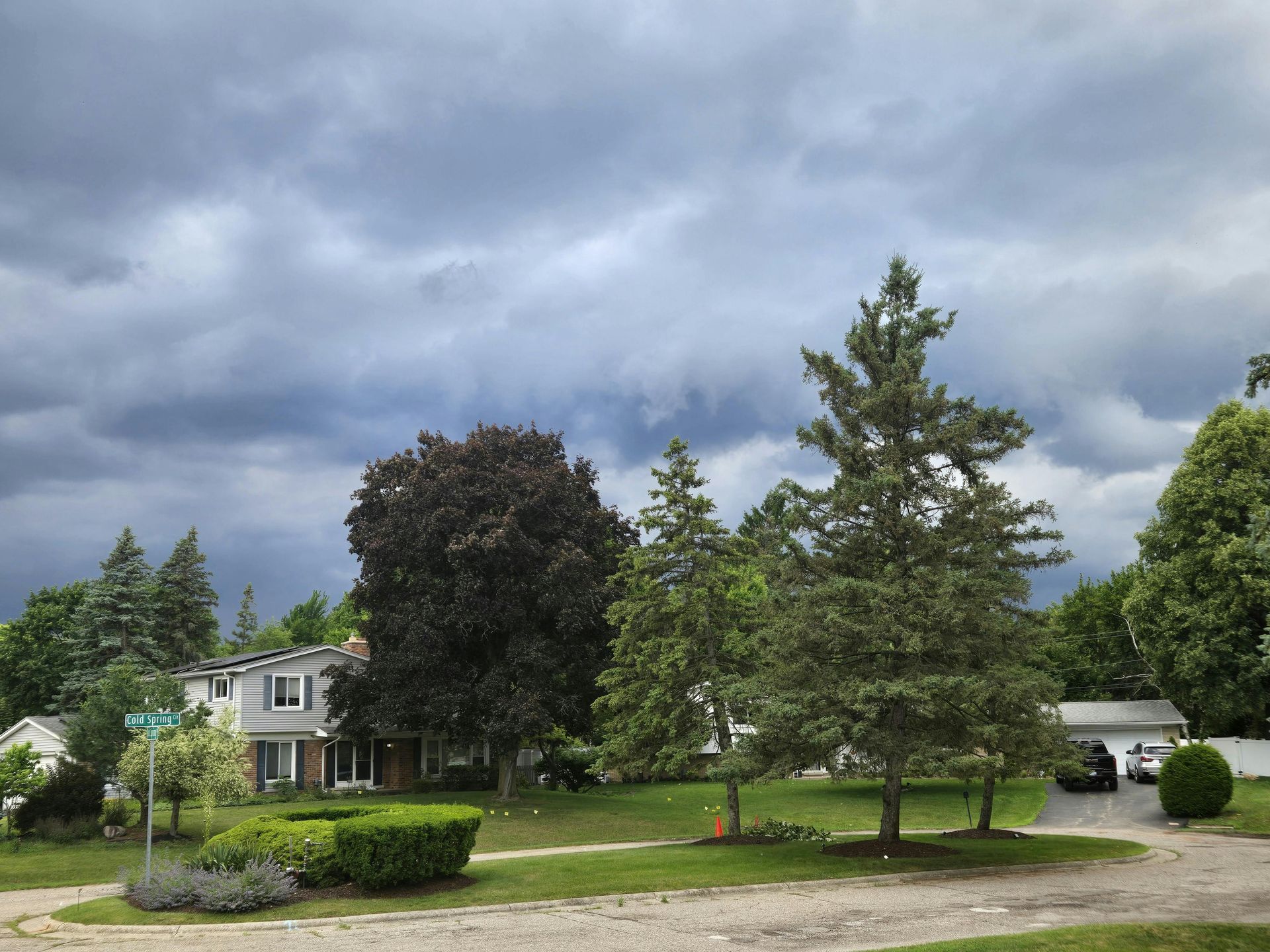
Storm season is here. Use this practical checklist to inspect your trees and prepare your Central Florida property before the next storm.

Palm trimming mistakes are common in Florida. Learn what helps your palms thrive — and what causes long-term damage to avoid.
Not all tree companies are equal. Learn what to verify before hiring — licensing, insurance, red flags, and what to expect from a good crew.

Tree trimming schedules vary by species. Here's how often to trim live oaks, palms, crape myrtles, and fruit trees in Central Florida.
Interested in Our Services?
Get in touch today to discuss your next project and we will happy to answer any questions and provide you with a no-obligation FREE Estimate.
