Fricke's Tree Service
How to Spot and Treat Tree Insect Infestations in Florida
Florida's lush landscapes and diverse ecosystems make it a haven for various tree species, but they also attract a multitude of insect pests. Identifying and treating tree insect infestations promptly is crucial to maintaining the health of your trees and the overall beauty of your property. In this post, we will explore effective methods to spot and treat these infestations, ensuring your trees remain vibrant and thriving.
By staying vigilant and taking proactive measures, you can protect your trees from insect infestations and ensure they continue to thrive in Florida's unique environment. Regular maintenance and awareness will not only enhance the beauty of your property but also contribute to the overall health of Florida's diverse ecosystems.
Identifying Common Tree Insect Infestations
Recognizing the signs of insect infestations early can save your trees from severe damage. Here are some common indicators to look for:- Discoloration of Leaves: Yellowing or browning leaves can indicate stress caused by pests. This discoloration often signals that the tree is struggling to absorb nutrients effectively.
- Visible Insects: Check for insects on the bark, leaves, or branches. Common pests include aphids, scale, and borers. Observing these insects can help you determine the type of treatment needed.
- Webbing or Sooty Mold: Spider webs or a black, sooty substance on leaves can signal a pest problem. This mold often results from honeydew secreted by sap-sucking insects.
- Holes in Bark or Leaves: Small holes may indicate boring insects, while larger holes can be a sign of more significant infestations. These holes can compromise the tree's structural integrity.
Common Tree Insects in Florida
Understanding the specific pests that affect Florida trees can help in identifying and treating infestations effectively. Here are a few common culprits:- Southern Pine Beetle: A destructive pest that targets pine trees, causing rapid decline and often leading to tree death if not managed promptly.
- Asian Citrus Psyllid: Known for spreading citrus greening disease, affecting citrus trees and posing a significant threat to Florida's citrus industry.
- Scale Insects: These pests suck sap from trees, leading to weakened plants and making them more vulnerable to other diseases and pests.
- Leafcutter Ants: They can strip leaves from trees, impacting their health and growth, and can be particularly damaging to young trees.
Effective Treatment Methods
Once you've identified an infestation, it's essential to act quickly. Here are some effective treatment methods:- Insecticidal Soaps: These are effective against soft-bodied insects like aphids and spider mites, providing a non-toxic option for treatment.
- Neem Oil: A natural pesticide that disrupts the life cycle of many pests, neem oil is safe for beneficial insects when used correctly.
- Systemic Insecticides: These are absorbed by the tree and can target pests that are difficult to reach, providing long-lasting protection.
- Physical Removal: For minor infestations, manually removing insects or infested leaves can be effective and is an environmentally friendly approach.
Preventive Measures
Preventing infestations is always better than treating them. Here are some tips to keep your trees healthy:- Regular Inspections: Check your trees regularly for signs of pests, as early detection is key to effective management.
- Healthy Soil: Ensure your trees are planted in nutrient-rich soil to promote strong growth, which can help them resist pests.
- Proper Watering: Avoid over or under-watering, as stressed trees are more susceptible to pests and diseases.
- Encourage Beneficial Insects: Ladybugs and lacewings can help control pest populations naturally, providing a balanced ecosystem in your garden.
When to Call a Professional
If you notice severe infestations or if your trees are showing signs of significant distress, it may be time to consult a professional arborist. They can provide expert advice and treatment options tailored to your specific situation, ensuring the best care for your trees.By staying vigilant and taking proactive measures, you can protect your trees from insect infestations and ensure they continue to thrive in Florida's unique environment. Regular maintenance and awareness will not only enhance the beauty of your property but also contribute to the overall health of Florida's diverse ecosystems.
SHARE POST
RECENT POSTS
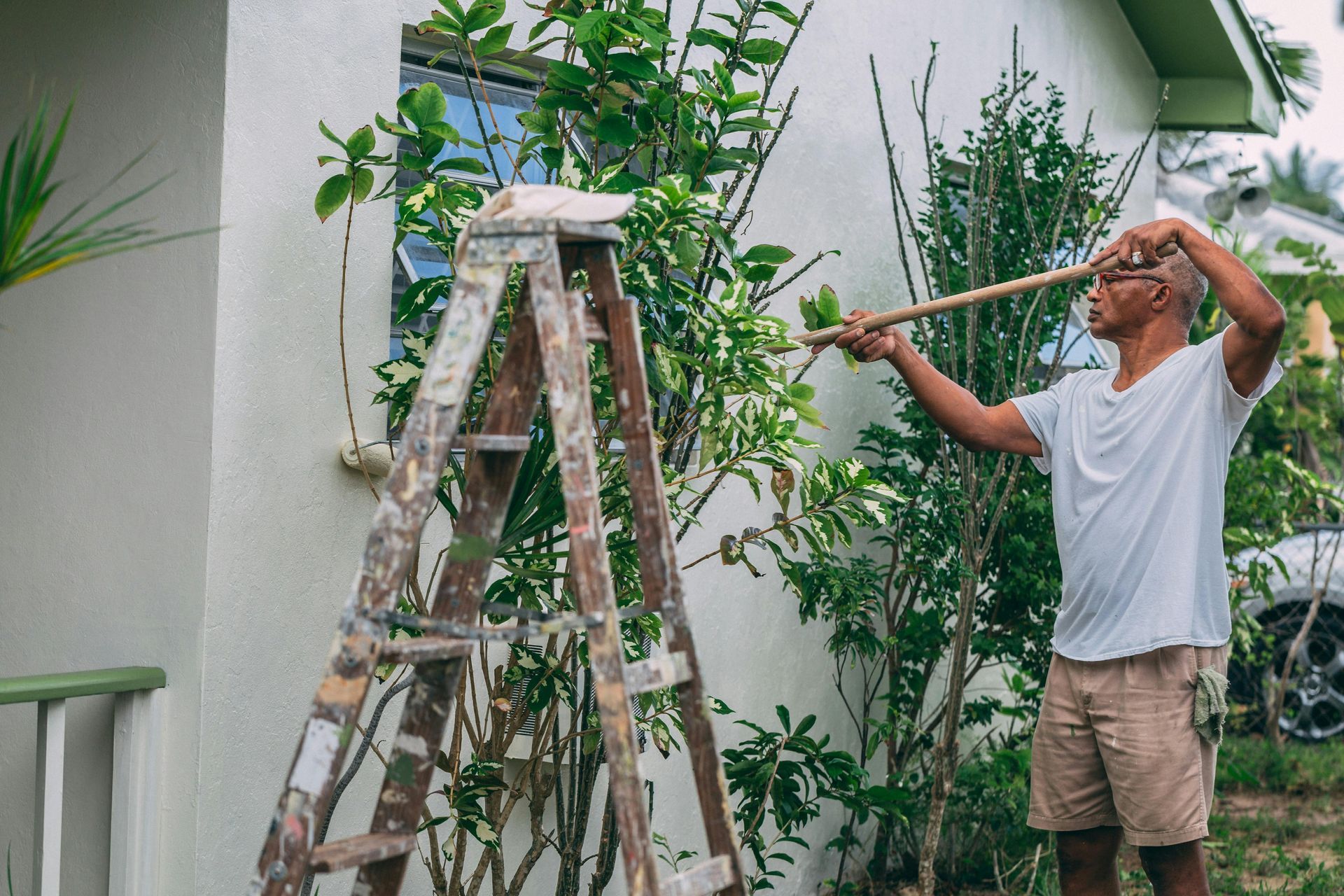
The best tree care is consistent and proactive. Here's a summary of the habits that protect your property and prevent costly emergencies.
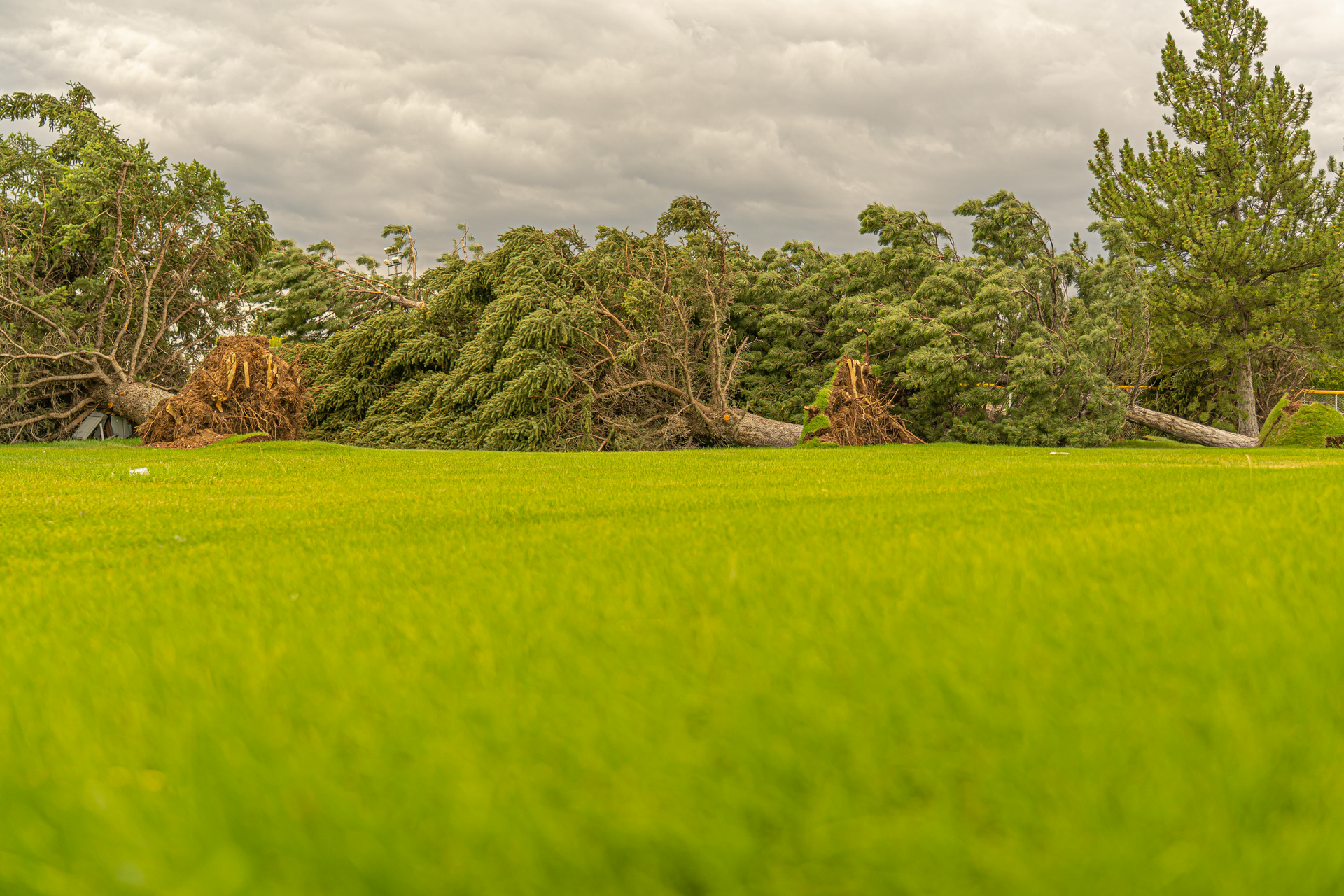
Summer storms and heat create real risks for Central Florida trees. Here's what to watch for and when to call a professional this July.
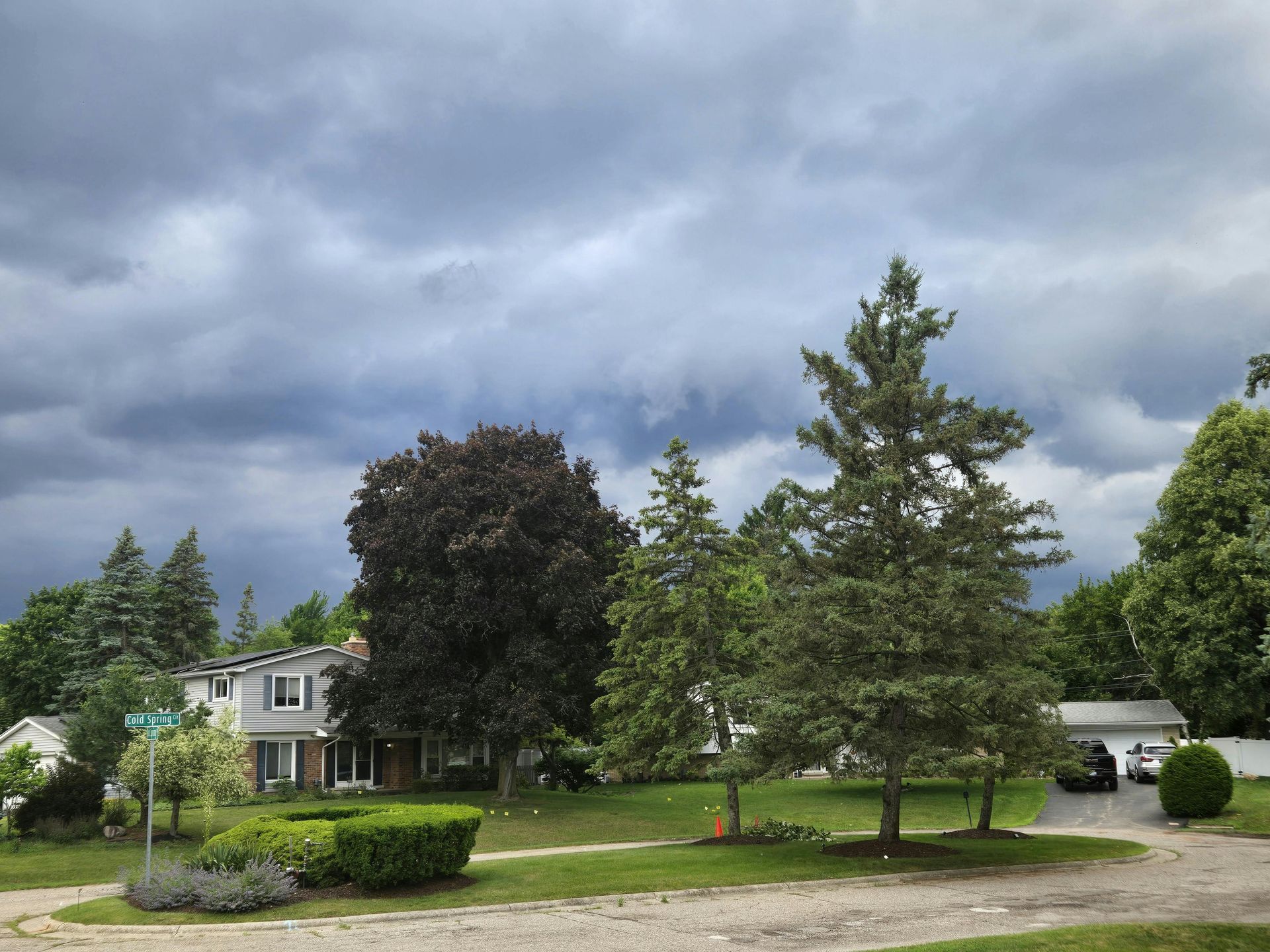
Storm season is here. Use this practical checklist to inspect your trees and prepare your Central Florida property before the next storm.

Palm trimming mistakes are common in Florida. Learn what helps your palms thrive — and what causes long-term damage to avoid.
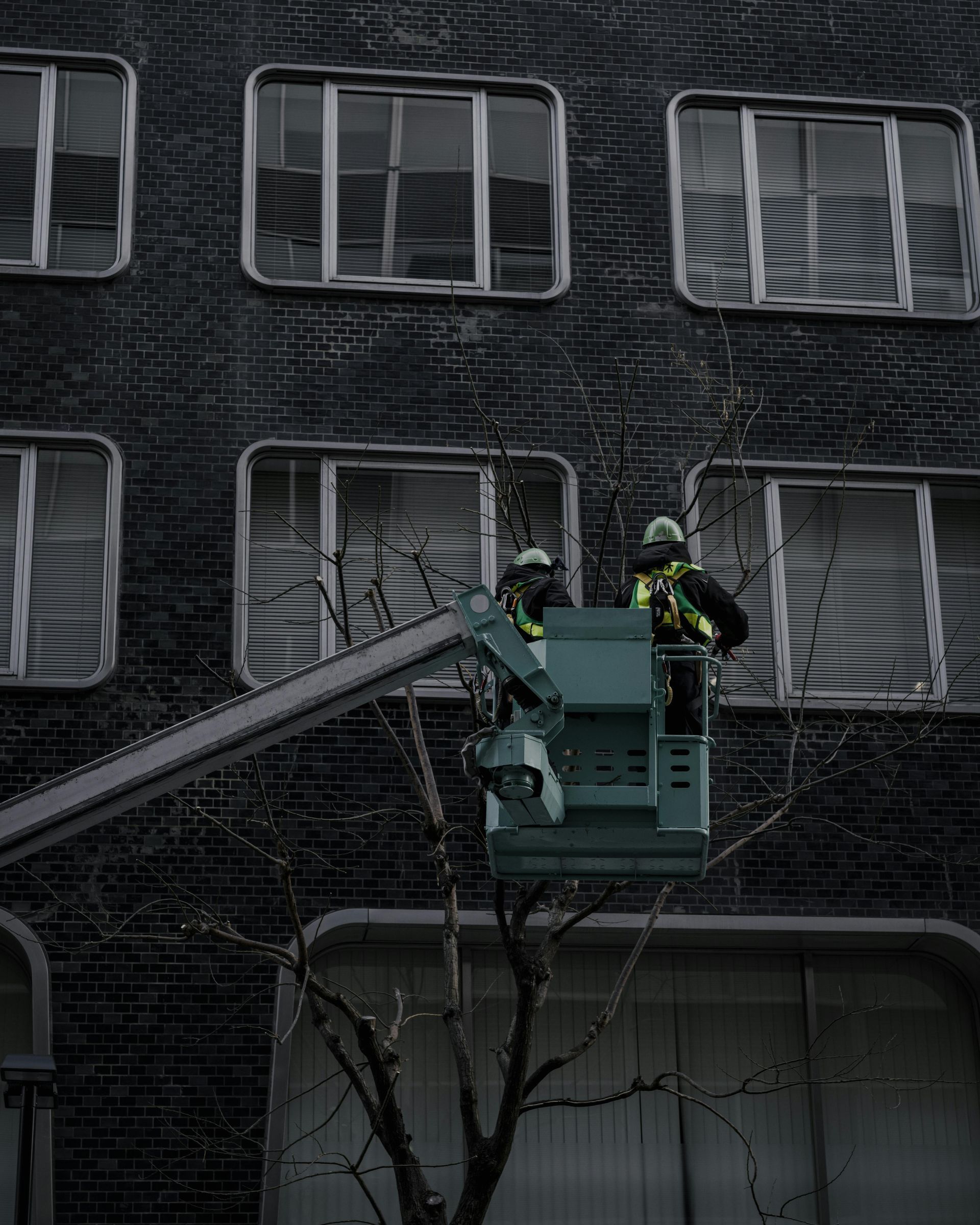
Not all tree companies are equal. Learn what to verify before hiring — licensing, insurance, red flags, and what to expect from a good crew.
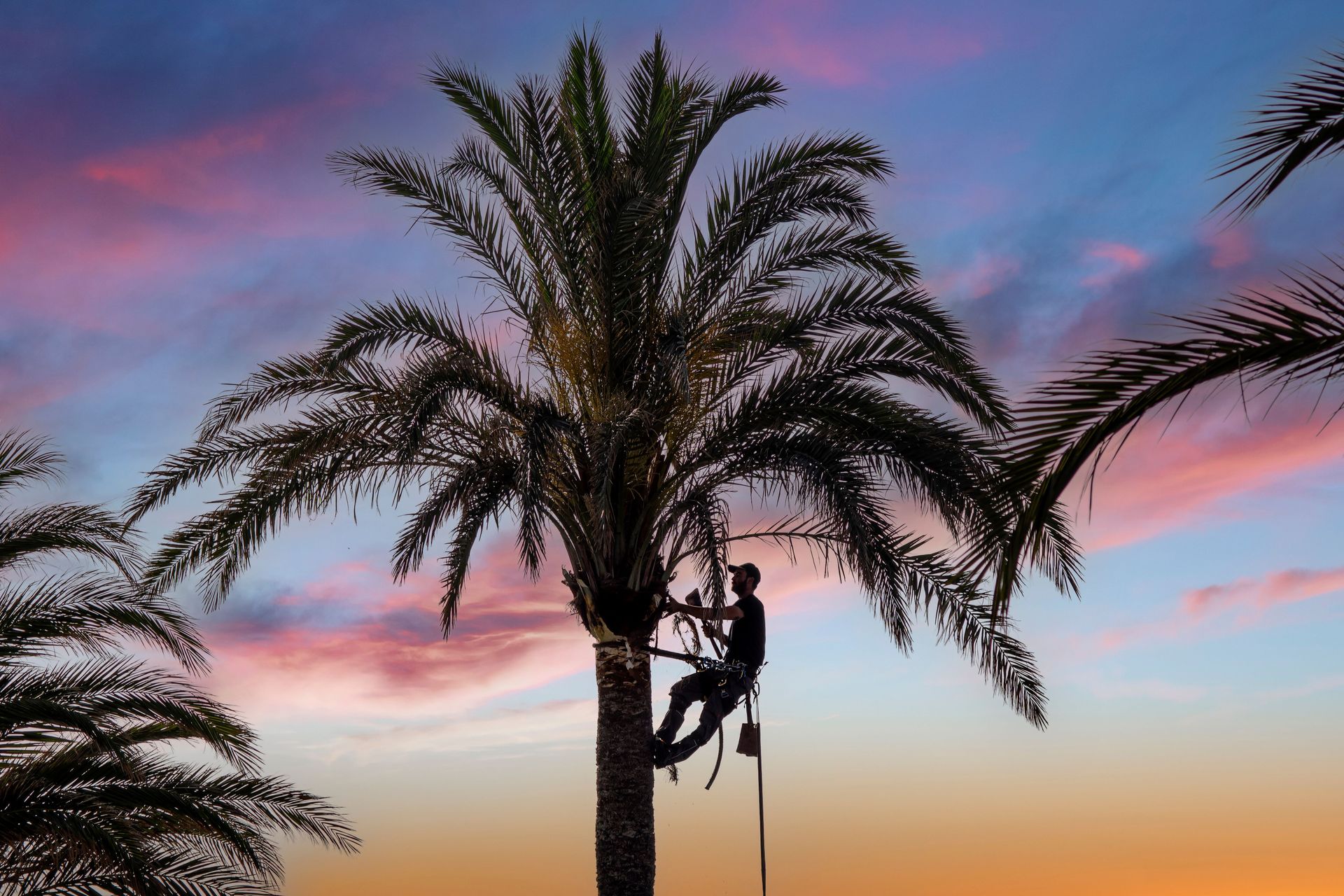
Tree trimming schedules vary by species. Here's how often to trim live oaks, palms, crape myrtles, and fruit trees in Central Florida.
Interested in Our Services?
Get in touch today to discuss your next project and we will happy to answer any questions and provide you with a no-obligation FREE Estimate.
