How to Protect Your Trees During Florida's Summer Heat
Summer in Central Florida is no joke. Temperatures regularly push past 90°F, afternoon storms dump inches of rain in minutes, and the humidity makes it feel even hotter. While most homeowners are thinking about their own comfort, your trees are quietly battling some serious stress—and without a little extra attention, that stress can show up as wilting leaves, bark damage, or worse.
The good news? A few proactive steps can make a big difference in how your trees come through the summer months. Here's what you need to know.
1. Water Deeply, Not Just Frequently
One of the most common mistakes homeowners make in summer is watering their trees too often but not deeply enough. Shallow watering encourages roots to stay near the surface, where they're more vulnerable to heat and drought. Deep, infrequent watering—about once or twice a week during dry spells—trains roots to grow deeper into the soil where moisture is more stable.
For established trees, focus your watering at the drip line—the outer edge of the tree's canopy—rather than right at the trunk. That's where the feeder roots are. A slow trickle from a garden hose for 30–45 minutes does far more good than a quick spray from a sprinkler.
During Florida's rainy season (roughly June through September), natural rainfall often handles irrigation needs. But pay attention to dry stretches within that window—a week without rain can be enough to stress a tree that's already dealing with summer heat.
2. Mulch Is Your Tree's Best Friend
If you're not mulching around your trees, you're missing one of the easiest and most effective ways to protect them. A 3–4 inch layer of organic mulch spread around the base of a tree does several important things: it retains soil moisture, regulates soil temperature, suppresses competing weeds, and slowly breaks down to add nutrients to the soil.
Keep the mulch a few inches away from the actual trunk—piling it up against the bark creates moisture buildup that can lead to rot and disease. Extend it out to the drip line if possible, or at least to a 3–4 foot radius around the tree.
Wood chips, pine bark, or shredded leaves all work well. Avoid using rocks or rubber mulch around trees—they absorb heat and can actually make soil temperatures worse.
3. Watch for Signs of Heat Stress
Trees can't tell you when they're struggling, so it's up to you to spot the warning signs. Heat stress in trees typically shows up as wilting or curling leaves, yellowing or browning leaf edges (called scorch), premature leaf drop, or slowed growth. You might also notice bark cracking or sunscald on south-facing sides of thin-barked trees.
If you see these symptoms, don't panic—but do act quickly. Increase watering, add mulch if you haven't already, and avoid any pruning or fertilizing until the tree has recovered. Stressed trees are also more vulnerable to pests and disease, so keep an eye out for unusual activity on the bark or leaves.
4. Hold Off on Heavy Fertilizing
It might seem counterintuitive, but summer is not the best time to fertilize most trees in Central Florida. Heavy fertilization during peak heat can push rapid new growth that the tree doesn't have the water or energy to support—making stress worse, not better.
If you fertilized in the spring, your trees should be in good shape. If you're seeing signs of nutrient deficiency (yellowing between leaf veins, poor color), a light application of a slow-release fertilizer is fine. But save your main fertilizing push for fall, when temperatures drop and trees can actually use the nutrients efficiently.
5. Be Strategic About Summer Pruning
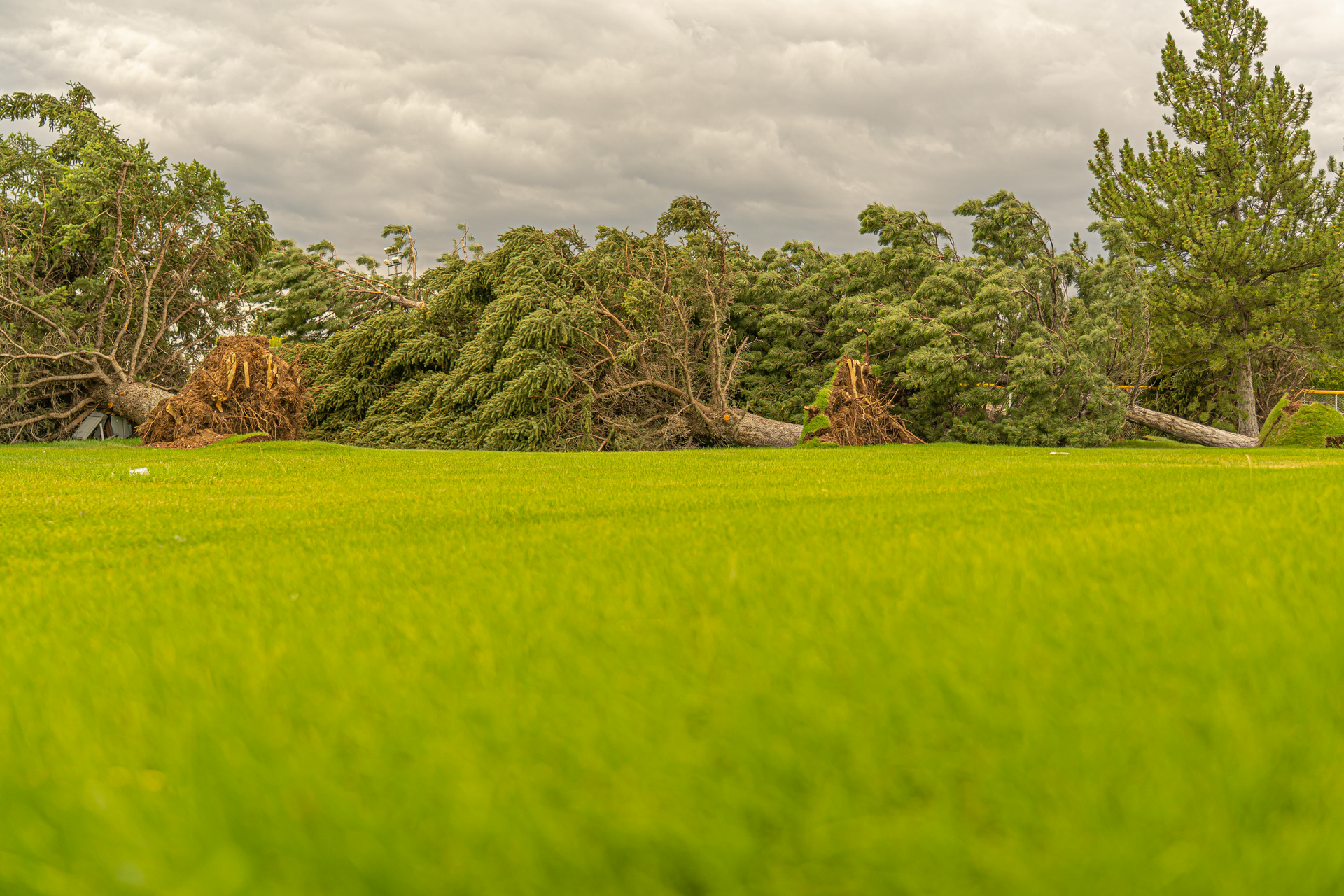
Major pruning is generally best done in late fall or winter when trees are dormant. But summer does call for some specific trimming tasks—particularly removing dead, damaged, or storm-broken branches that can become hazards during Florida's active storm season.
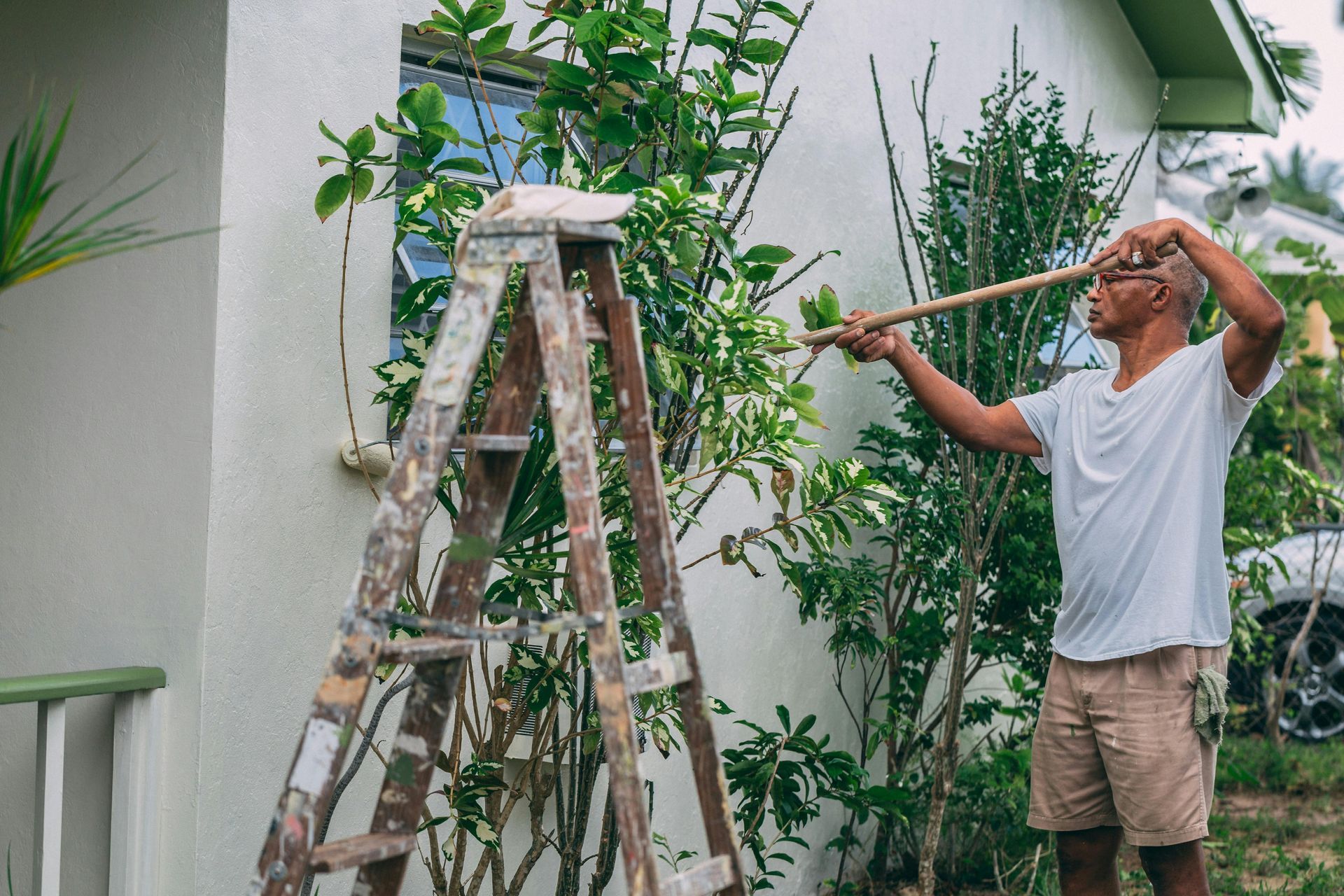
Removing dead wood allows the tree to direct energy toward healthy growth, and it eliminates entry points for pests and disease. Just avoid removing more than 10–15% of the live canopy during summer, as this can further stress an already heat-taxed tree.
Not sure what should come down? Our team at Fricke's Tree Service can walk your property and identify any branches that are cause for concern—before the next storm makes the decision for you.
Conclusion
Florida summers test your trees, but with the right care—deep watering, proper mulching, watchful monitoring, and smart pruning—they can come through the hottest months healthy and strong. A little attention now saves you from much bigger problems down the road. If you're not sure how your trees are holding up, give us a call. We're happy to take a look and make sure your landscape is summer-ready.
SHARE POST
RECENT POSTS
Interested in Our Services?
Get in touch today to discuss your next project and we will happy to answer any questions and provide you with a no-obligation FREE Estimate.
