Fricke's Tree Service
Caring for Leaning Trees: What You Need to Know
Why You Should Never Ignore a Leaning Tree
Understanding the Risks of Leaning Trees
Leaning trees can be a common sight in many landscapes, but they often signal underlying issues that should not be overlooked. Ignoring a leaning tree can lead to significant risks, both to property and personal safety. In this post, we will explore the reasons why you should take a leaning tree seriously and the steps you can take to address the situation effectively. It is crucial to recognize that a leaning tree is not just an aesthetic concern; it can indicate deeper problems that may escalate if not addressed promptly. By understanding these risks, you can make informed decisions about how to manage your trees and ensure the safety of your environment.What Causes Trees to Lean?
There are several factors that can cause a tree to lean, including:- Soil Erosion: When soil around the roots washes away due to heavy rain or poor drainage, it can destabilize the tree and lead to leaning.
- Root Damage: Damage from pests, diseases, or construction activities can weaken the root system, making it unable to support the tree's weight properly.
- Wind and Weather: Strong winds can cause trees to bend or lean over time, especially if they are not well-rooted or if the soil is loose.
- Uneven Growth: Trees may lean towards a light source or away from competition with other plants, which can result in an unbalanced structure.
Identifying a Problematic Leaning Tree
Not all leaning trees are in immediate danger of falling, but some signs indicate a more serious problem. Here are key indicators to watch for:- Severe Lean: A tree that leans more than 15 degrees may be at risk of falling and should be evaluated by a professional.
- Cracked Soil: Cracks in the soil around the base can indicate root instability and suggest that the tree is losing its grip on the ground.
- Visible Roots: Exposed or damaged roots can compromise the tree's stability and indicate that it is not anchored securely.
- Fungal Growth: The presence of mushrooms or other fungi at the base of the tree may suggest decay and deterioration of the wood structure.
The Dangers of Ignoring a Leaning Tree
Ignoring a leaning tree can lead to several dangers, including:- Property Damage: A falling tree can cause significant damage to homes, vehicles, and other structures, leading to costly repairs and insurance claims.
- Injury Risks: People nearby can be seriously injured if a tree falls unexpectedly, especially during storms or high winds when the risk is heightened.
- Liability Issues: Homeowners may face legal consequences if their tree causes damage to others, leading to potential lawsuits and financial liability.
When to Call a Professional
If you notice a leaning tree on your property, it’s essential to assess the situation carefully. Here are some scenarios where you should definitely call a professional:- If the tree is leaning significantly and shows signs of instability, it is crucial to seek expert advice.
- If the tree is close to power lines or structures, the risk of damage increases, and professional intervention is necessary.
- If you are unsure about the health of the tree or its root system, consulting an expert can provide clarity and guidance.
- If you notice any signs of disease or decay, such as discoloration or unusual growths, it is important to have the tree evaluated.
Preventive Measures for Tree Stability
To prevent trees from leaning in the first place, consider the following preventive measures:- Regular Inspections: Have trees inspected regularly by a certified arborist to catch potential issues early.
- Proper Planting: Ensure trees are planted in suitable soil and conditions, taking into account their specific needs for growth.
- Watering and Fertilization: Maintain healthy growth through proper care, including adequate watering and fertilization to support strong root development.
- Pruning: Regularly prune trees to promote balanced growth and remove any dead or diseased branches that could affect stability.
What to Do If You Have a Leaning Tree
If you discover a leaning tree, here are steps you can take to address the situation:- Assess the Situation: Determine the degree of lean and any visible signs of damage, including the condition of the soil and roots.
- Consult an Expert: Contact a tree care professional for an evaluation to understand the risks and potential solutions.
- Consider Removal: If the tree poses a significant risk to safety or property, removal may be necessary to prevent accidents.
- Replanting: If you remove a tree, consider replanting to maintain your landscape and ensure that new trees are planted correctly to avoid future issues.
Conclusion: Take Action on Leaning Trees
Leaning trees should never be ignored. They can pose serious risks to your property and safety. By understanding the causes, identifying the signs, and taking appropriate action, you can protect your home and loved ones from potential hazards. If you have concerns about a leaning tree, don’t hesitate to reach out for professional help. Taking proactive measures can save you from costly damages and ensure a safe environment for everyone. For more information or to request an estimate, please visit Frick's Tree Service. Their expertise can guide you in making the best decisions for your trees and landscape.SHARE POST
RECENT POSTS
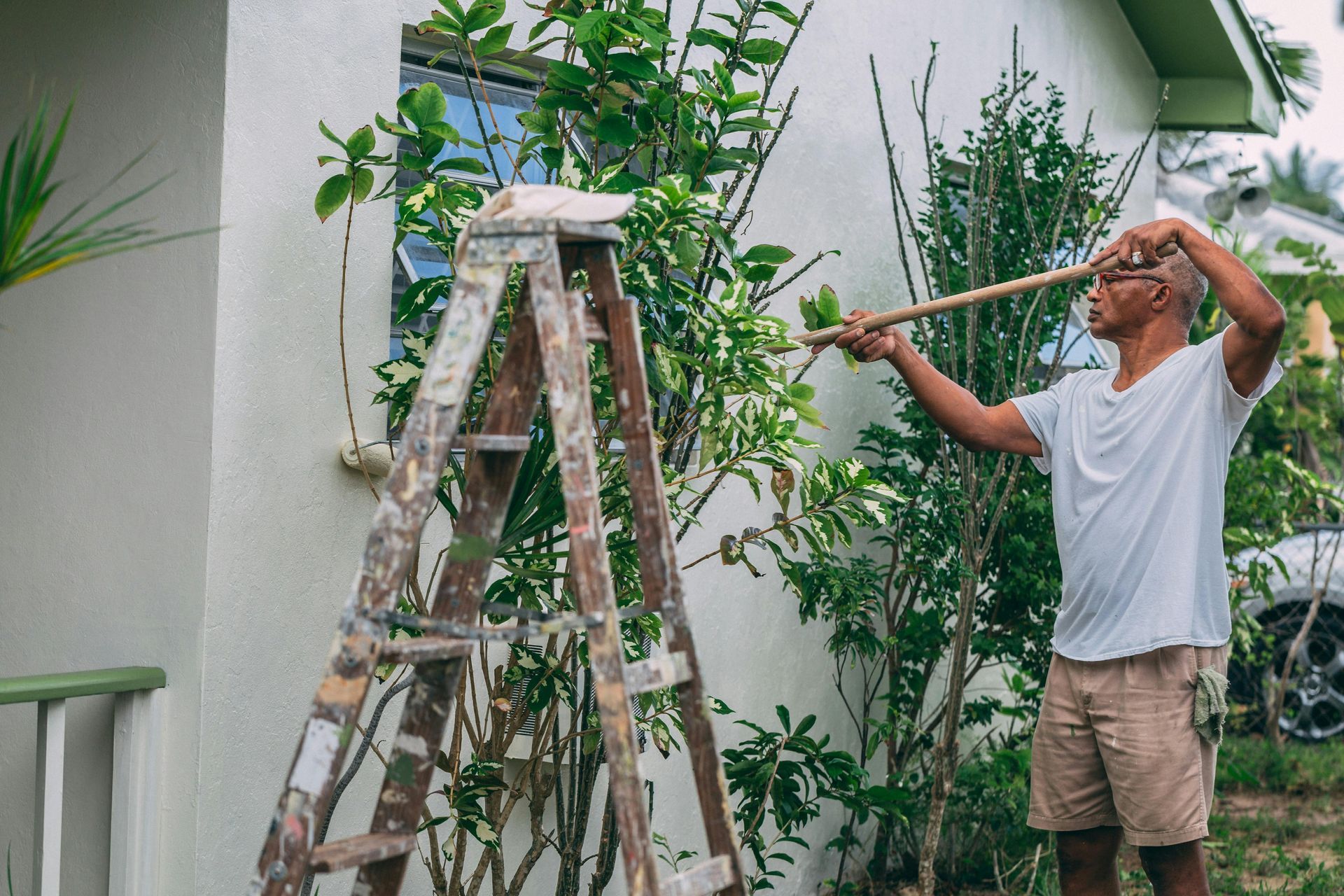
The best tree care is consistent and proactive. Here's a summary of the habits that protect your property and prevent costly emergencies.
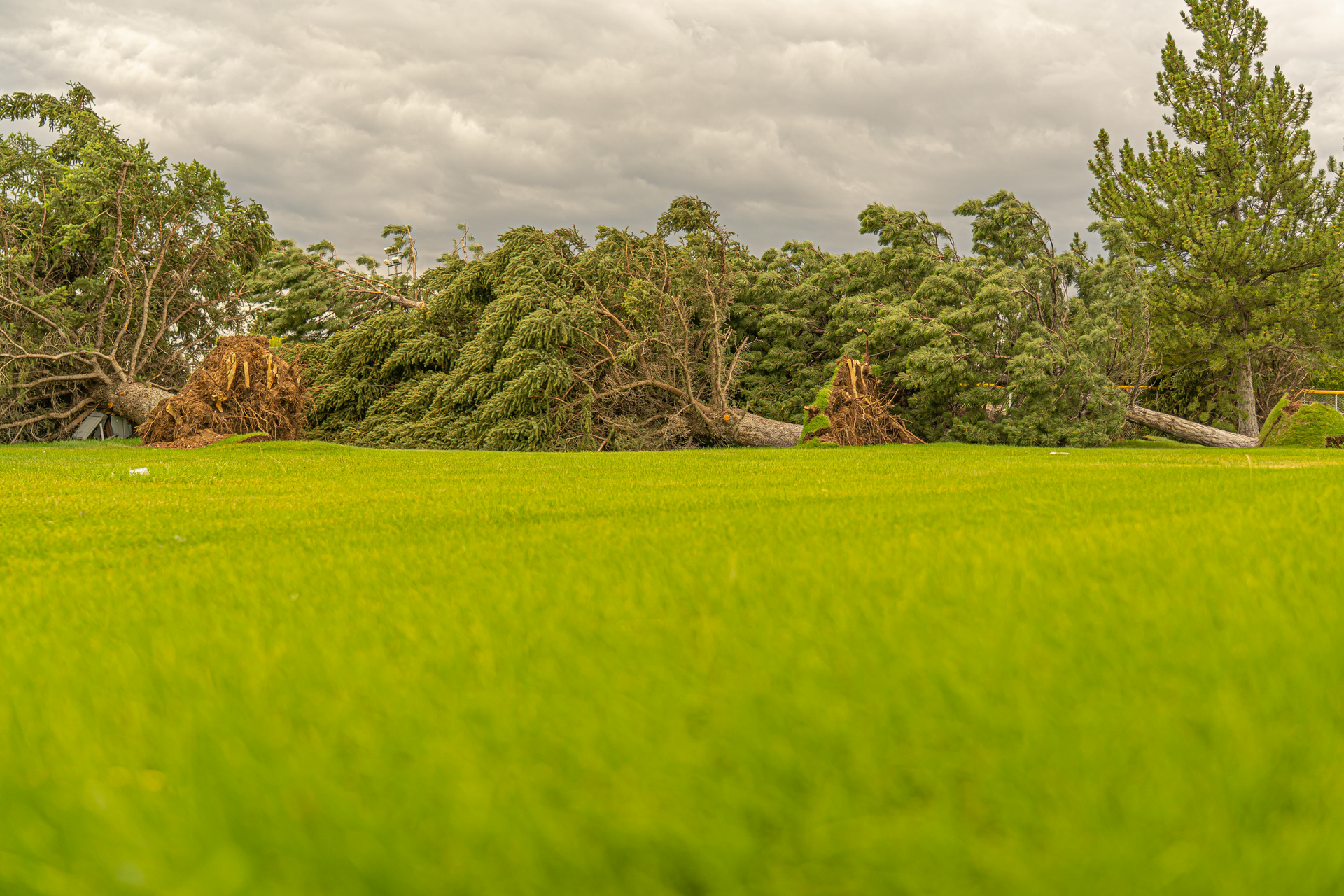
Summer storms and heat create real risks for Central Florida trees. Here's what to watch for and when to call a professional this July.
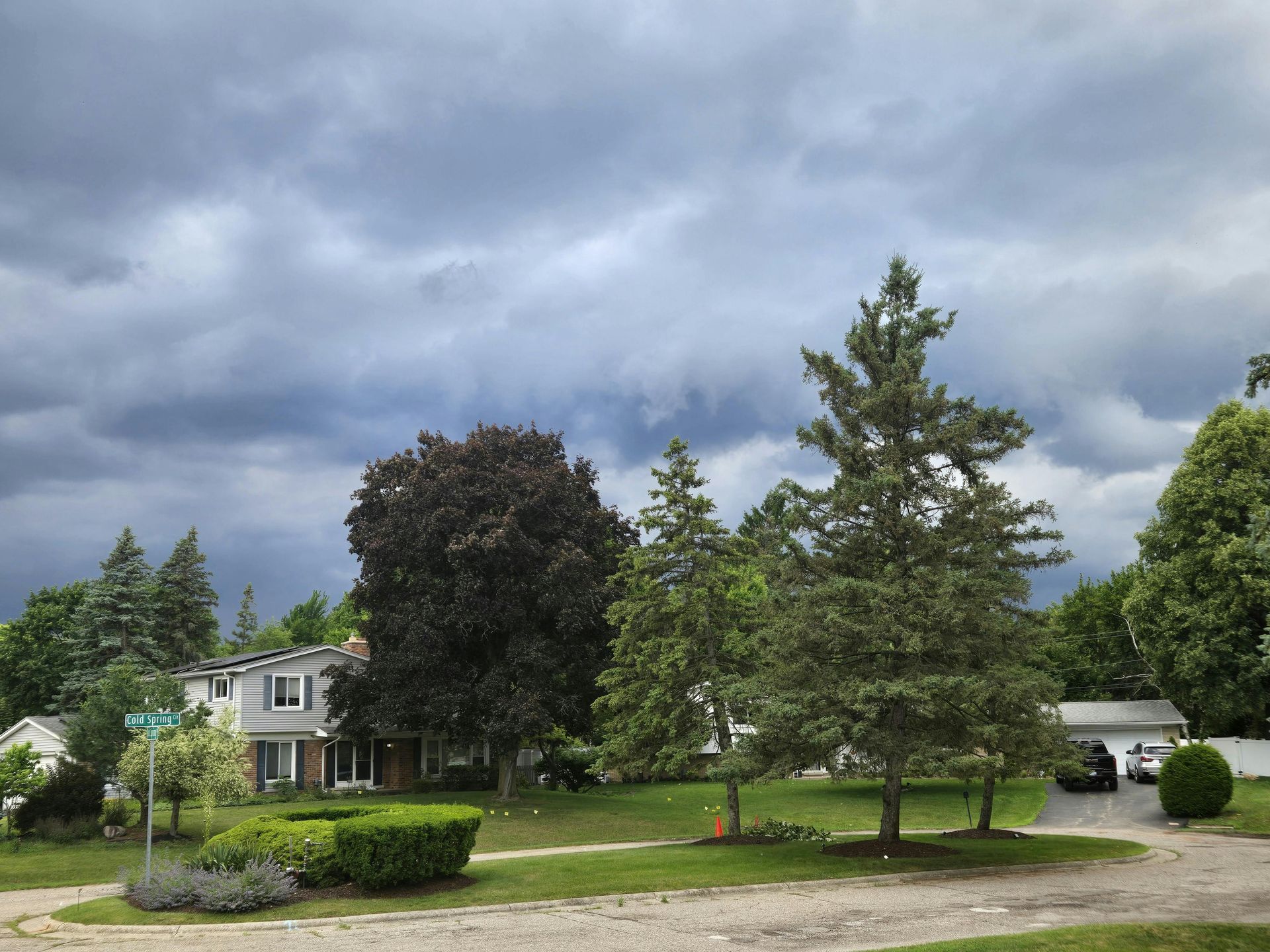
Storm season is here. Use this practical checklist to inspect your trees and prepare your Central Florida property before the next storm.

Palm trimming mistakes are common in Florida. Learn what helps your palms thrive — and what causes long-term damage to avoid.
Not all tree companies are equal. Learn what to verify before hiring — licensing, insurance, red flags, and what to expect from a good crew.

Tree trimming schedules vary by species. Here's how often to trim live oaks, palms, crape myrtles, and fruit trees in Central Florida.
Interested in Our Services?
Get in touch today to discuss your next project and we will happy to answer any questions and provide you with a no-obligation FREE Estimate.
